Send one request and you're done looking
Adding a mini split to a Tennessee home with a furnace
You've got a furnace for winter and you're looking at a mini split to handle a room the ducts don't reach, or to take the load off the AC during the muggy months. Good question to ask before anyone touches your wiring or gas line. This page gets into how a mini split works alongside a furnace, what it changes about your setup, and who you'd have look at it. Send the form and skip the part where you're calling around Tennessee explaining your furnace twice.
Hand it offA mini split can run alongside your furnace without any conflict between the two. They work independently. Your furnace keeps heating the ducted part of the house through the winter, and the mini split handles whatever room it's installed in, whether that's a bonus room the ducts never reached or just added help for the AC in July and August when the humidity makes everything feel worse than the thermostat says. No shared controls, no shared ductwork, so there's nothing for them to fight over. A lot of Tennessee homes already heat with electric systems rather than gas, so adding an electric mini split next to a furnace isn't unusual wiring-wise, but the gas line and the furnace itself stay untouched either way. What changes is simply that you get a second, separate system giving you direct control over one space instead of asking the whole house's system to compensate for it.
Why does that one room never feel right?
You already know which room it is. The one over the garage, or the bonus room, or the addition that got tacked on after the ductwork was laid out. Your furnace can't reach it the way it reaches the rest of the house, so it runs cold in January and holds heat like an oven once July gets sticky. You've probably tried a space heater in there, or a window unit propped in the frame, and neither one actually fixed it. Meanwhile the rest of your system is working harder than it should, trying to even out a space it was never set up to handle. Left alone, that's a room you avoid using, and a system that keeps spending electricity on a problem it can't solve.




Two systems, two thermostats
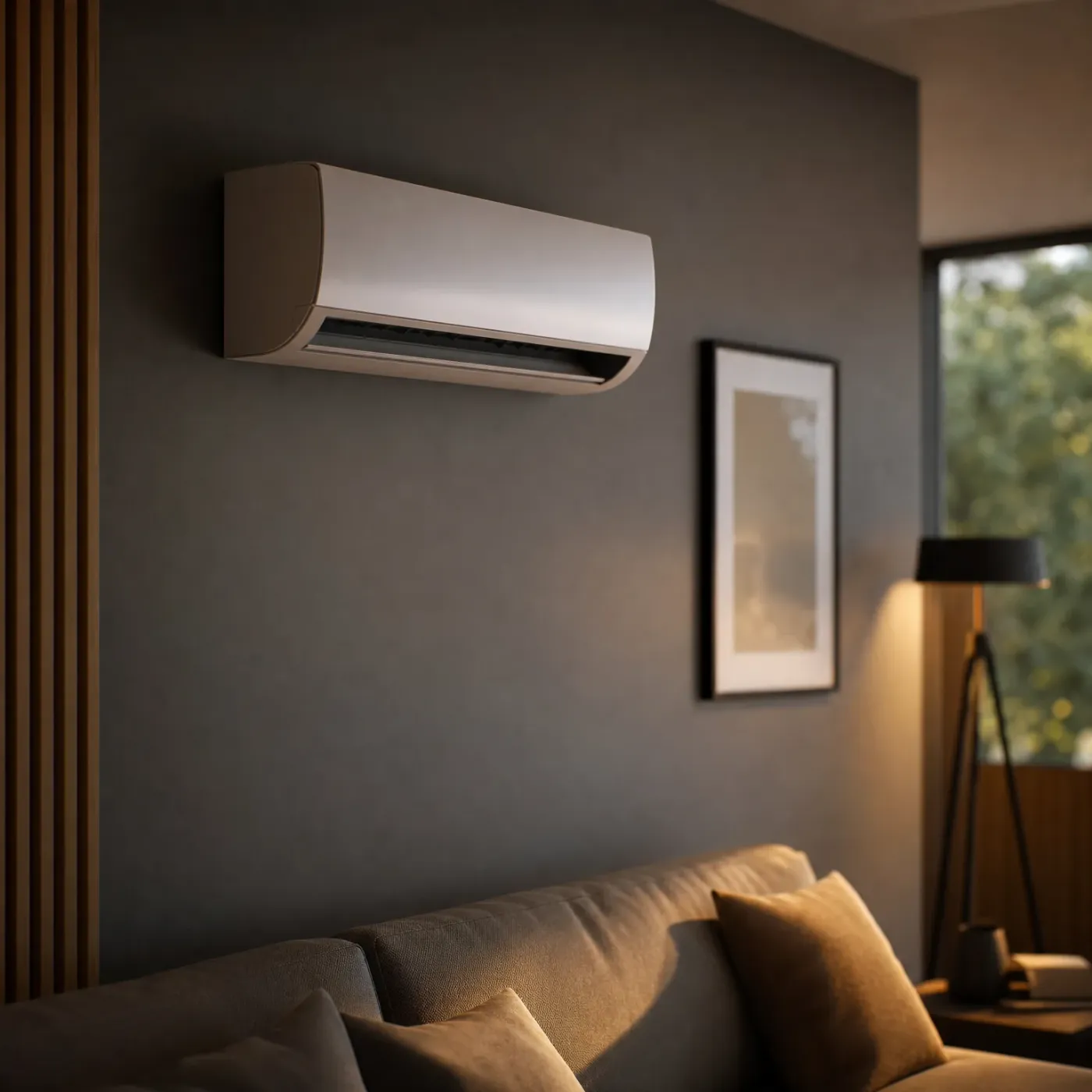
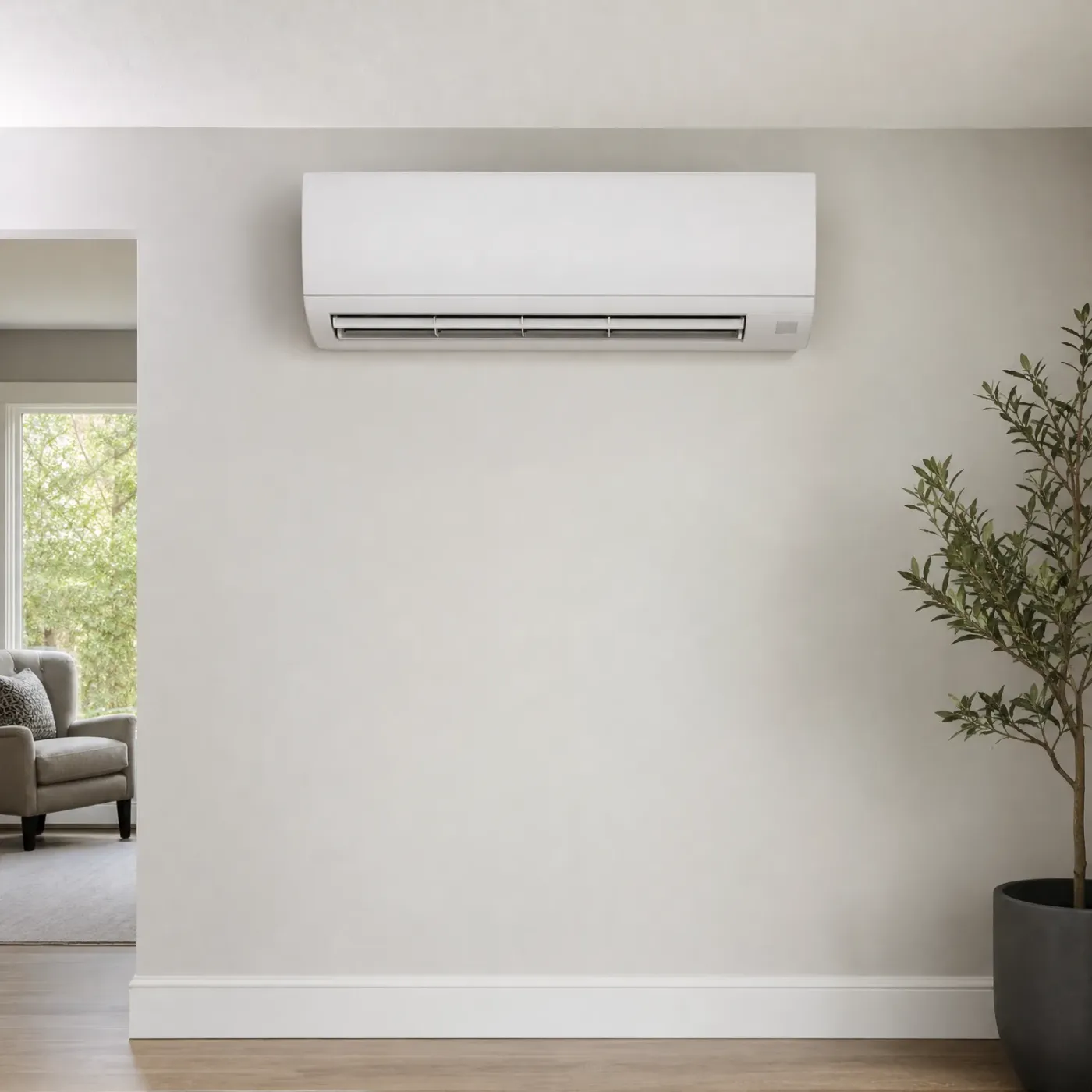
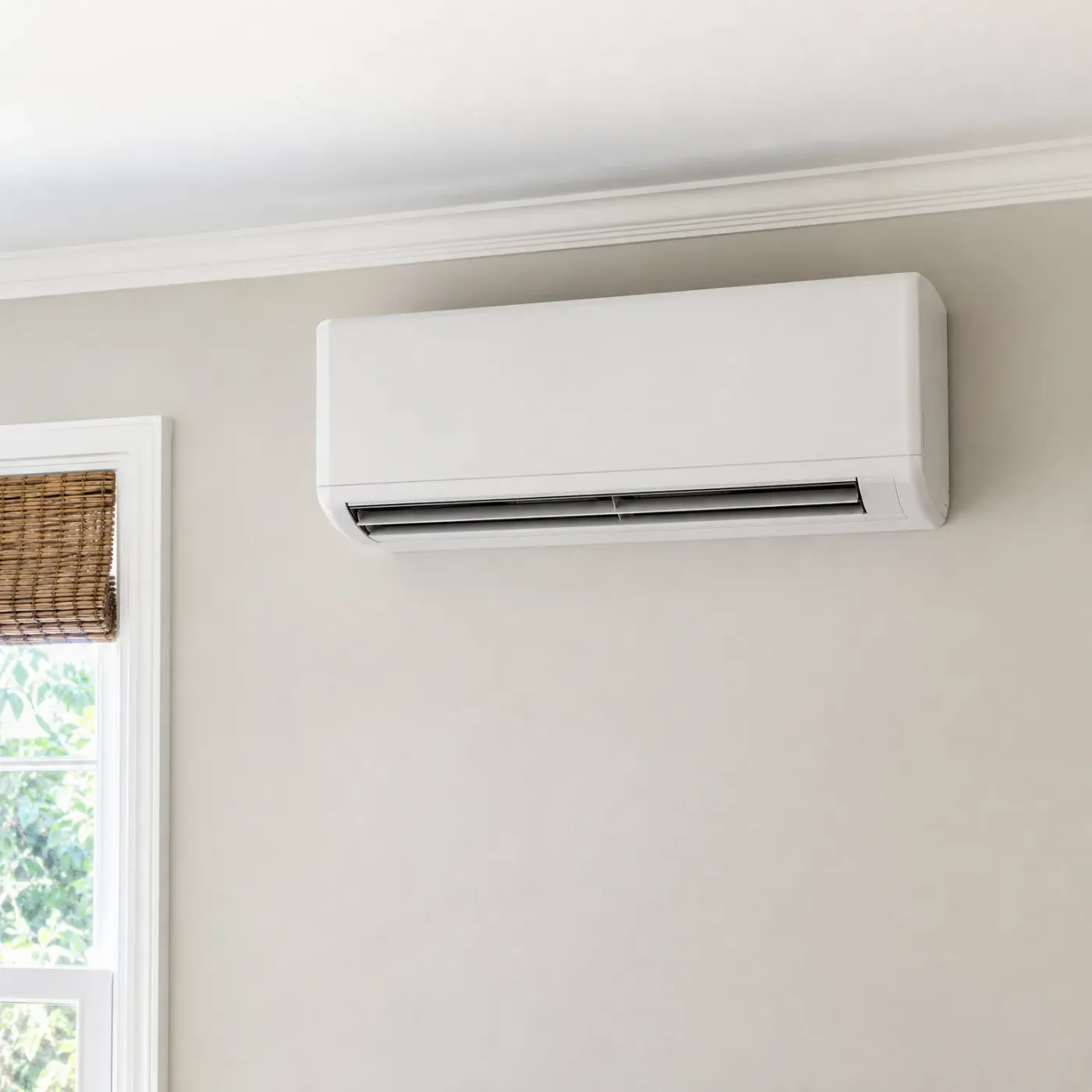
Your furnace runs off one thermostat and the mini split runs off its own remote or wall control. Nothing about adding the mini split changes how the furnace fires or how it's controlled. A contractor installing the mini split isn't touching your furnace's wiring or ductwork at all. The indoor head mounts on a wall or ceiling in the room it's meant for, and a line set runs through a small hole in the exterior wall to the outdoor unit. That's the extent of the overlap between the two systems. You end up with one thermostat for the house and one control for the room, and you use whichever one makes sense for what you're heating or cooling that day.
What that room is actually missing
A room the ductwork doesn't reach isn't missing a furnace exactly. It's missing a way to move heated or cooled air into it at all. A mini split doesn't need ducts because it makes the air right there in the room, at the indoor head. That's why it can heat a bonus room in January and cool it in July without any connection to your furnace or your central air. The outdoor unit does the same job as a central system's outdoor unit, just sized for one room instead of the whole house. Nothing has to travel through a duct to get there.



How the installation actually goes in
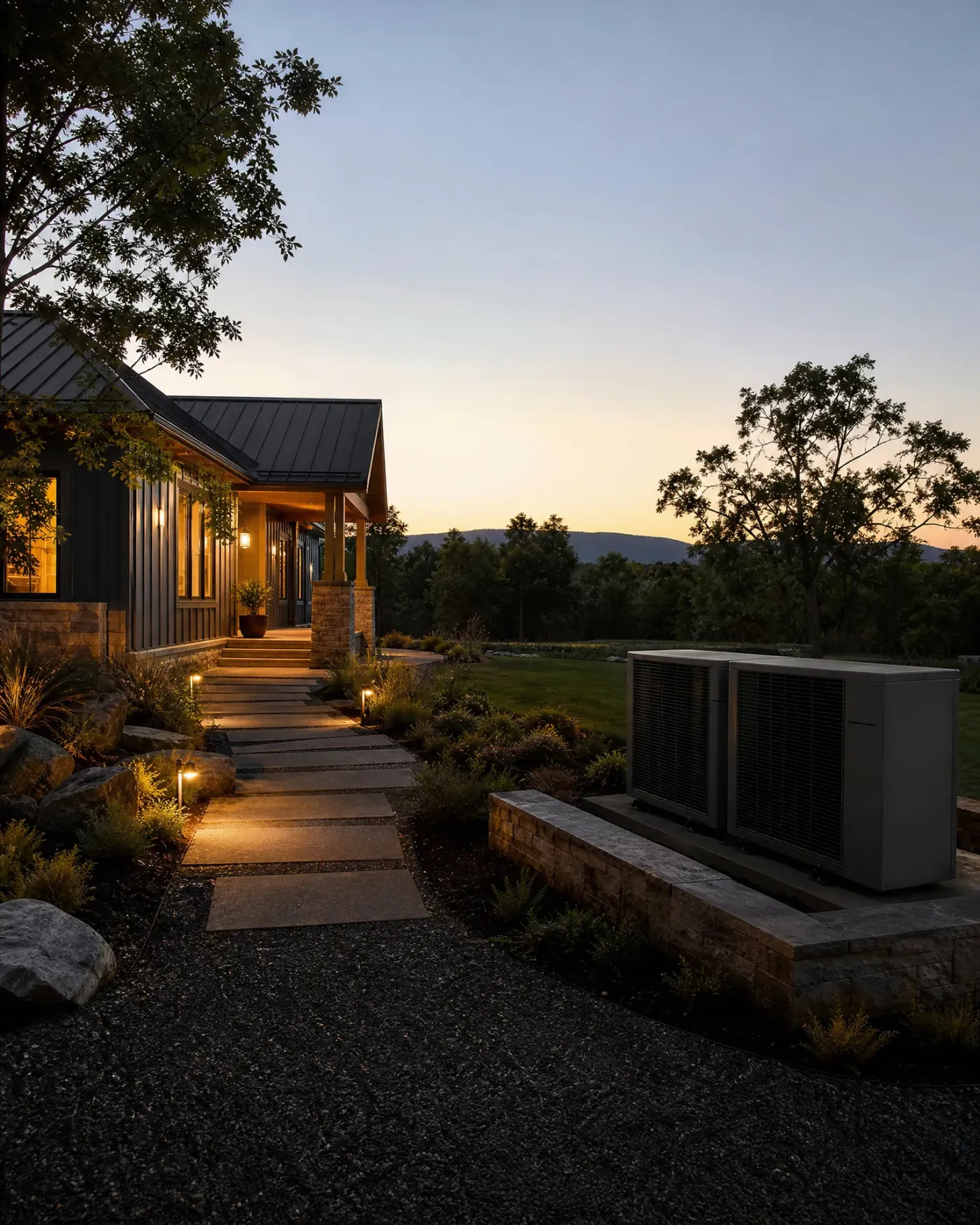
A mini split installation starts with the indoor head, mounted high on a wall or ceiling in whatever room it's heating and cooling. A line set runs from that head through a hole drilled in the wall, usually about three inches, out to the outdoor condenser. That line set carries refrigerant, a drain line for condensation, and electrical wiring, all bundled together and sealed where it passes through. The condenser gets set on a pad or bracket outside, far enough from your furnace's intake or any gas meter to meet code. None of this ties into your ductwork or your furnace's gas line at all.
Where that gas line and your furnace's venting sit matters for where the condenser can go, and a contractor licensed in Tennessee will know the clearances before the first hole gets drilled. That's the part you'd otherwise spend time sorting out yourself, calling a few contractors, explaining the room and the furnace setup to each one, and comparing what they tell you. Send the form once and that search is done for you.


The contractor mounts the indoor head on the wall or ceiling.
A hole gets drilled through the wall for the line set.
Refrigerant lines, wiring and a drain line run to the outdoor unit.
The outdoor unit gets set on a pad or wall bracket.
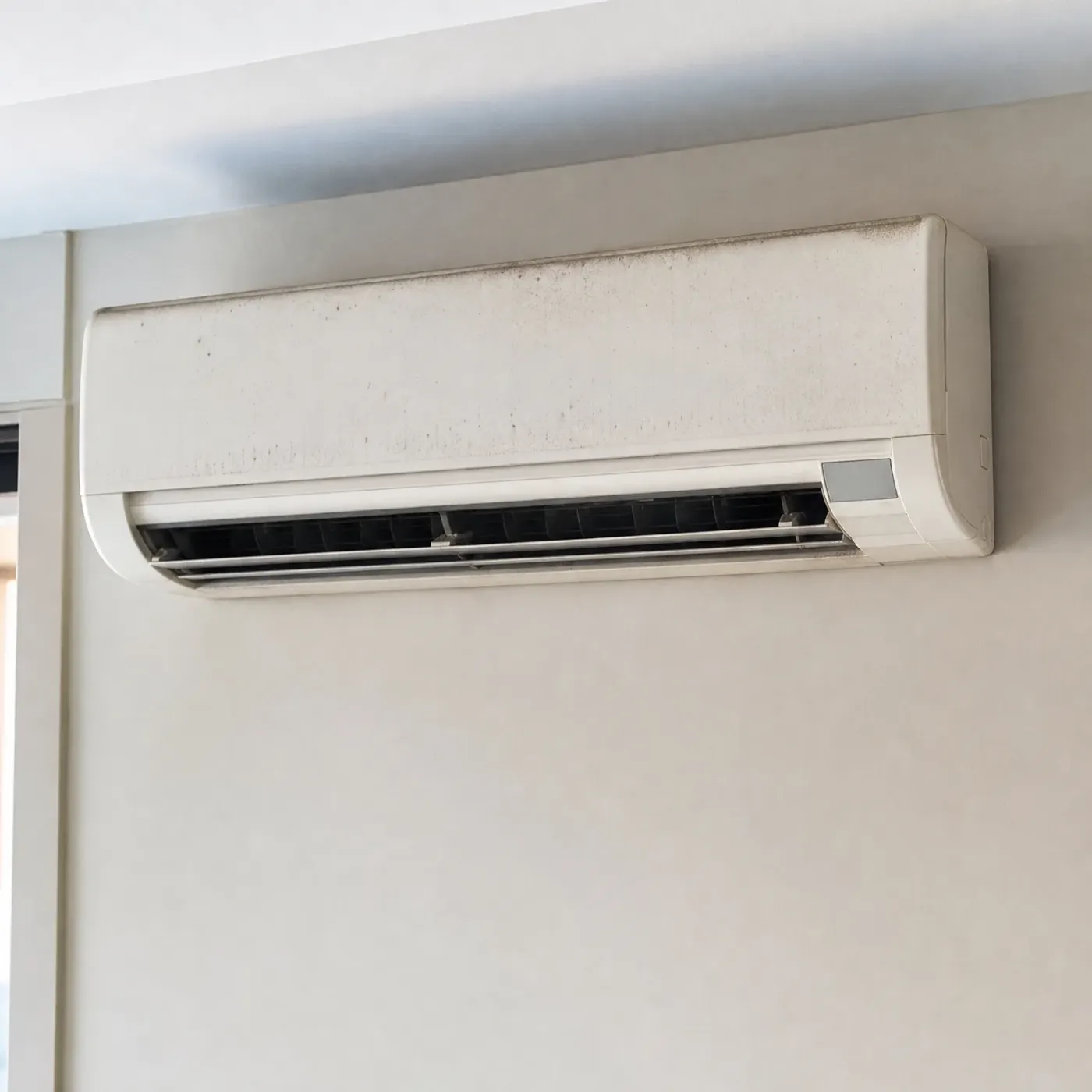
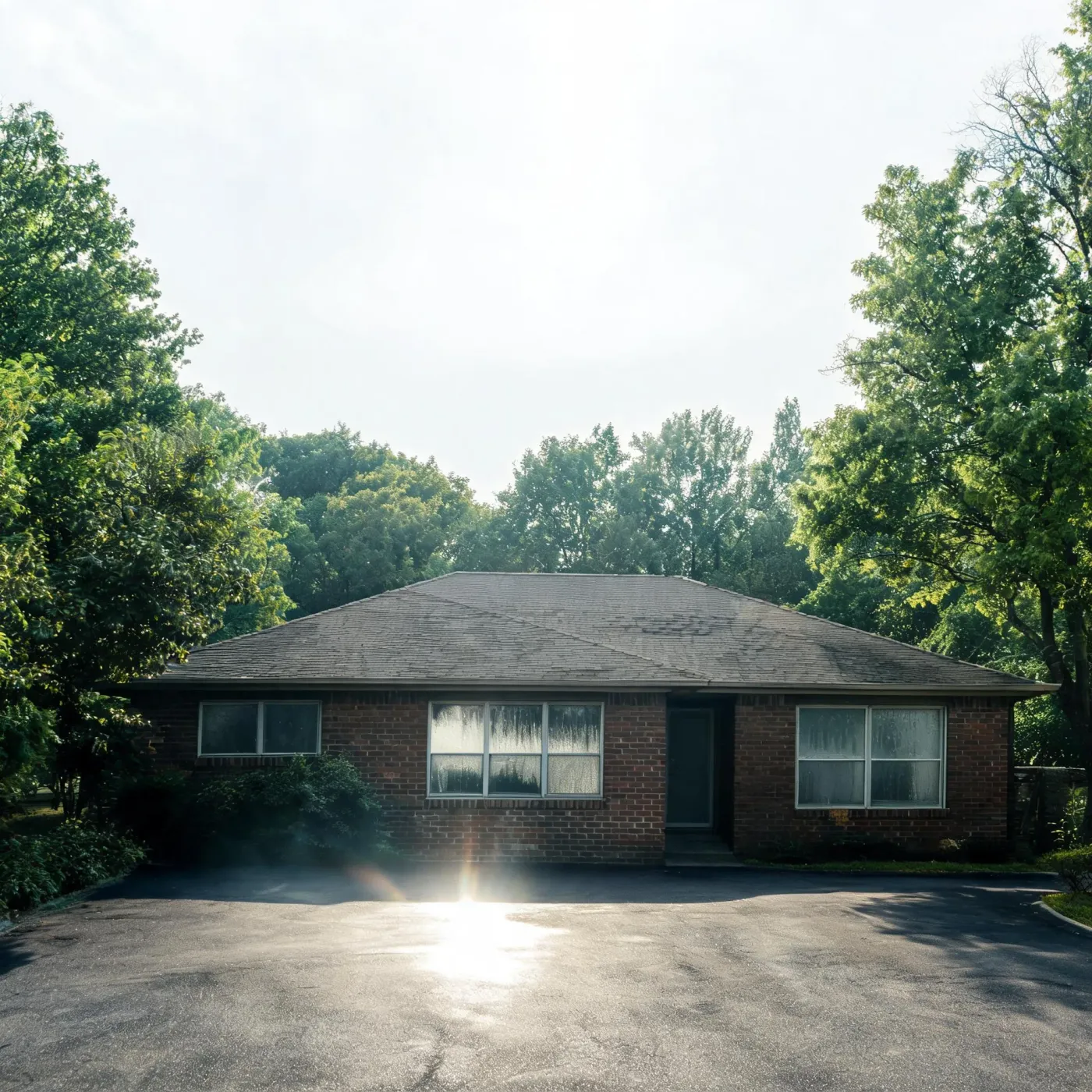
Summer air in Tennessee holds a dew point around 66°F, averaged across June, July and August, by NOAA's numbers. That's the sticky range, the kind of air that feels heavy even when the thermometer isn't that high. A mini split pulls moisture out of the room it's installed in as it cools, which is part of why the bonus room or the addition can feel clammy even with the AC running elsewhere in the house. You'd notice it most on the still, overcast days when the whole house feels thick but that one room, once the mini split's been running a while, doesn't. Skip the search for who installs these and send the form instead. No calling around, no explaining the room and the furnace setup twice over to three different companies.
NASA POWER T2MDEW county cells weighted by homes
Finding a pro stops being your job

Answer a few questions instead of calling shop after shop.
Sending the form costs nothing.
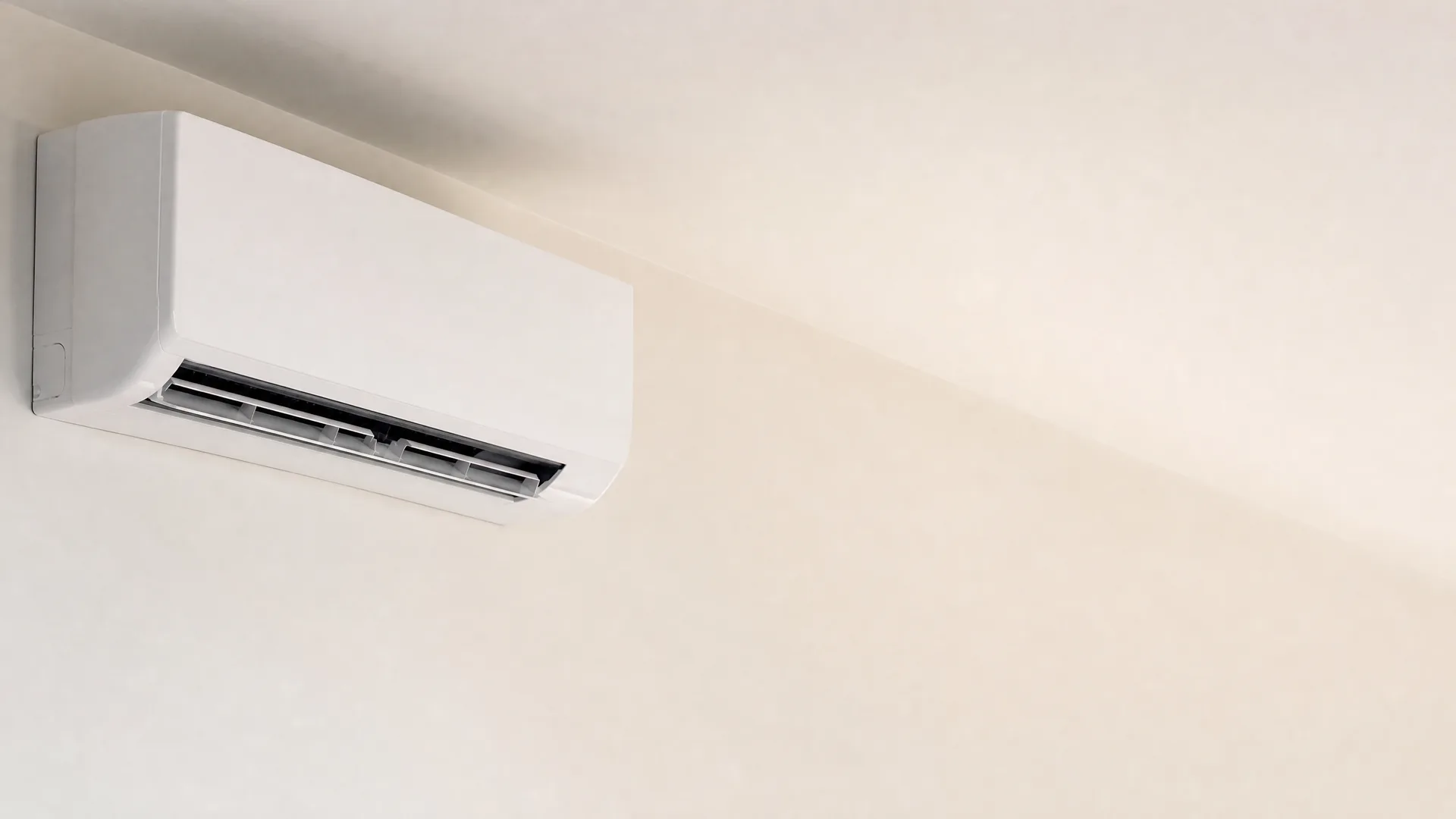
Running the furnace alone
Your furnace heats the house through the ducts it was built around. If the bonus room or the room over the garage was never part of that duct run, it stays off on its own no matter how high you set the thermostat. Come summer, the same gap shows up on the cooling side, because that room never had a good way to get cold air either. You end up with a space heater in there in January and a window unit propped in the sill come July, neither one doing much.
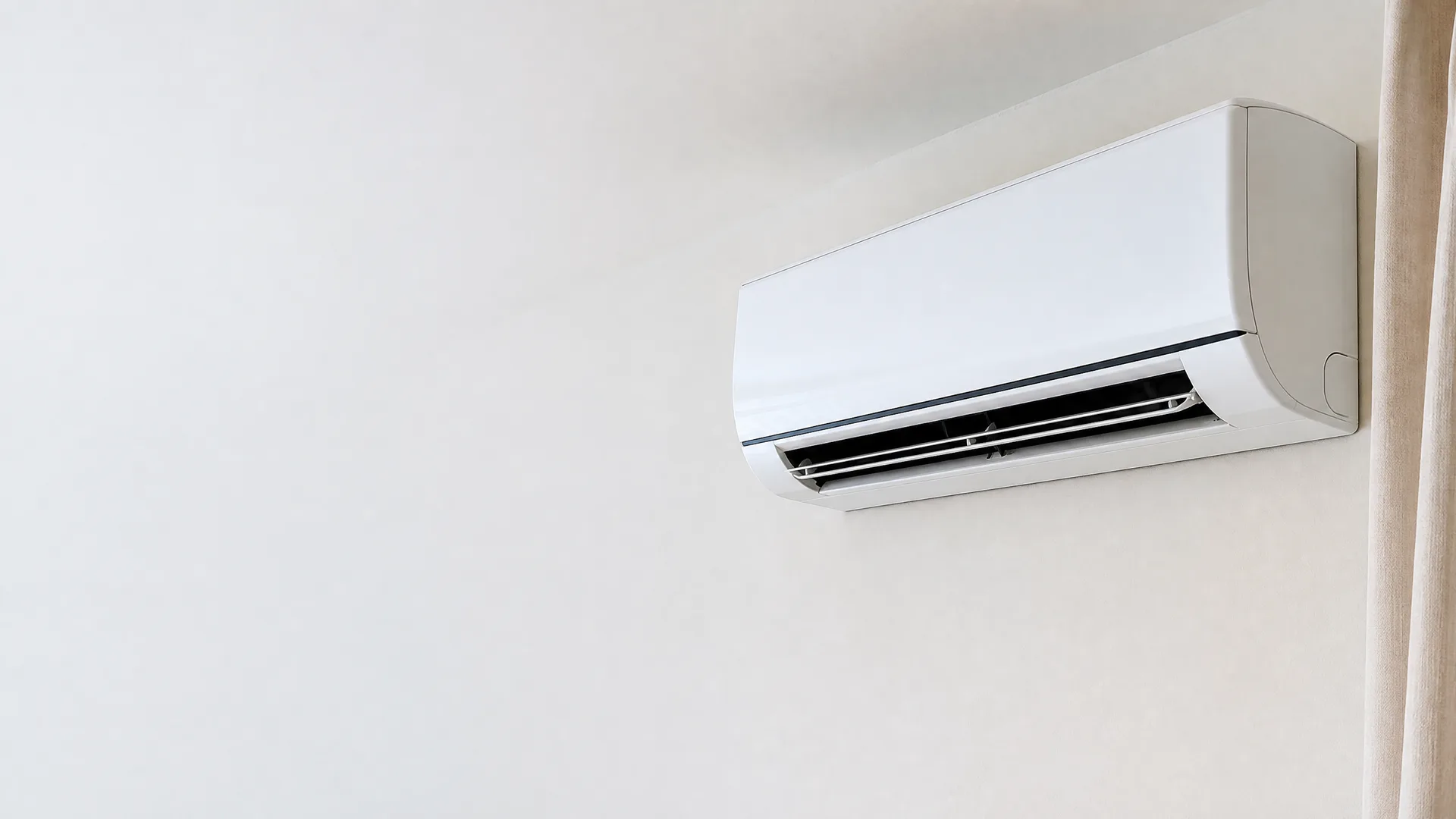
Running the furnace with a mini split
Add the mini split and that one room gets its own heat and its own cooling, controlled separately from the rest of the house. The furnace keeps doing what it already does well for the ducted rooms. You're not asking one system to cover a space it was never sized for, and you're not running a window unit that leaks air around the frame. The room over the garage finally gets to the same temperature as the rest of the house, winter and summer.
Power costs 13.22 cents per kilowatt-hour statewide
At 13.22 cents a kilowatt-hour, running a mini split in that one room costs less than you'd guess. It's a single room, cooled by a unit sized for that room, not a whole-house system working to cover it. Your bill reflects that.
EIA-861 2025 statewide residential average
Where that leaves you
- A mini split and a furnace run on separate controls, so adding one doesn't change how the other works.
- The furnace keeps heating the ducted rooms, and the mini split takes over the room the ducts never reached.
- Summer humidity in Tennessee sits around a 66°F dew point, and a mini split sized for one room handles that load without straining.
- At 13.22 cents a kilowatt-hour, cooling just that one room costs less than running the whole-house system harder to reach it.
- The installation itself means a mounted indoor head, a line set through the wall, and an outdoor unit set on a pad or bracket.
- Instead of calling around and explaining your setup to contractor after contractor, a single form puts that search in someone else's hands.
A mini split added to a home that already runs on a furnace isn't a conflict, it's two systems doing two different jobs. Your furnace stays in charge of the ducted rooms all winter. The mini split takes the one room that's never been comfortable, the bonus room, the addition, whatever space your ductwork missed, and handles it on its own control. Summer is where it earns its keep. Tennessee air carries real weight by June, and a unit sized for one room pulls that humidity down without working hard to do it. The cost reflects that too. A single room costs less to cool than asking a whole-house system to fight its way into a space it was never built to reach. The install itself is straightforward work for someone who does it regularly: a head on the wall, a line set through to the outside, an outdoor unit on a pad. None of that changes what your furnace does or how it's wired. What's left is finding the person to do it. That usually means calling a few contractors, explaining the same room and the same problem each time, then sitting with quotes trying to tell which one actually matches what you need. Sending one form instead means that search isn't yours to run anymore. You'll know the room is finally getting handled, and you won't be the one tracking down who's going to handle it.
Mini Split Installation
Let someone else find the pro

- Describe your mini split job, and a local pro who handles it gets in touch.
- A local installer who puts in mini splits gets your project.

- Send the form and the search for an installer is over.
- Send the request and finding a pro stops being your problem.

- Skip collecting and comparing quotes for the new mini split.
- Fill out one short form instead of calling around.

- Your request goes to one pro, not a list of companies.
- One installer gets your project, so there's no bidding war over it.