 Get matched
Best mini split setting for a Tennessee winter
A local pro who services mini splits gets in touch about the tune-up.
Set your mini split to heat mode and pick a temperature in the high 60s or low 70s, then leave it there. The unit holds steady better than it cycles. Bumping it up five degrees when you walk in cold does not warm the room any faster, it just makes the system work harder than it needs to.
A mini split in Tennessee can carry most of a house through winter on its own, since power here is cheap and electric heat is what most homes already run on. That only holds if the unit is working the way it should. A dirty filter or a coil losing its charge makes it run longer for less heat, and you pay for the difference without feeling any warmer.
You can set the temperature right and still have a system that struggles on a cold morning. That usually comes down to maintenance, not the thermostat. A technician checking the refrigerant charge, the filter, and the outdoor unit catches the kind of wear that makes a mini split work overtime long before you'd notice it on your own.
If you're not sure when yours was last serviced, that is worth finding out before the next cold snap. Tell us about your system and your home, and you will be matched with a contractor in your area who handles mini splits like yours. They will reach out to you directly to talk through what your system needs.
Getting the setting right is the easy part. Knowing whether your unit can hold it through a Tennessee winter is the part worth having someone look at.
Set your mini split to heat mode and pick a temperature in the high 60s or low 70s, then hold it there. Tennessee winters swing cold enough overnight that the outdoor unit will frost up now and then. That's normal. The system runs a defrost cycle on its own, the fan pauses, and heat comes back once the coil clears. Don't switch it off or change the setting when you notice this, it only resets the process. What matters more than the exact number you pick is leaving it alone. Each time you raise or lower the temperature, the compressor has to work to catch up, and that's where the system earns its keep or wastes it. A steady setting through the evening, even overnight, keeps the unit running in its most efficient range. If a room still feels cold at a reasonable setting, or the outdoor unit stays frosted longer than it should, that's worth having looked at rather than compensated for with the thermostat.




A mini split pro near you
Send the form, and lining up the mini split tune-up stops being yours to chase.
Say what's going on with your mini split, and a pro who works on them reaches out.
It costs nothing to send, and you don't have to hire anyone.
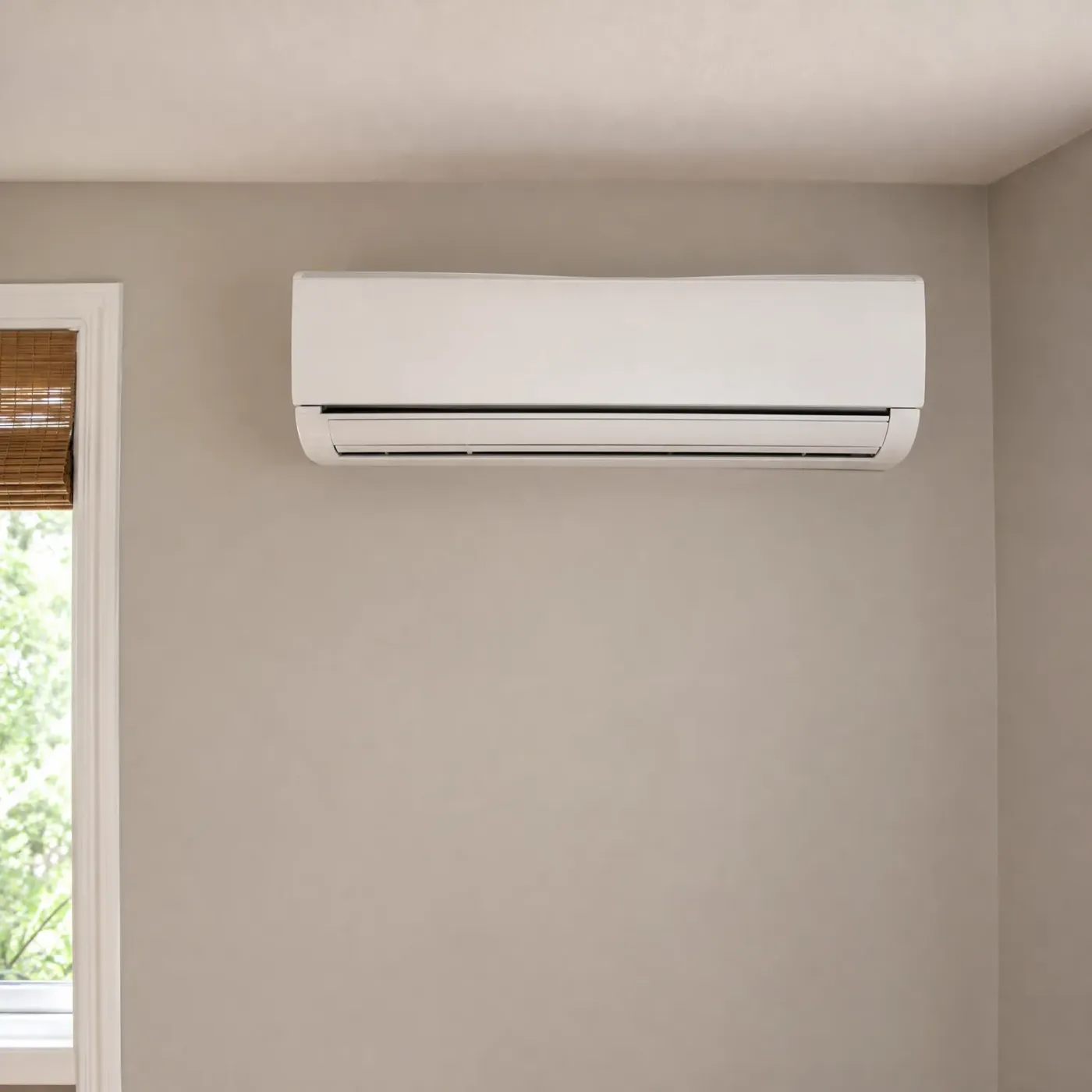
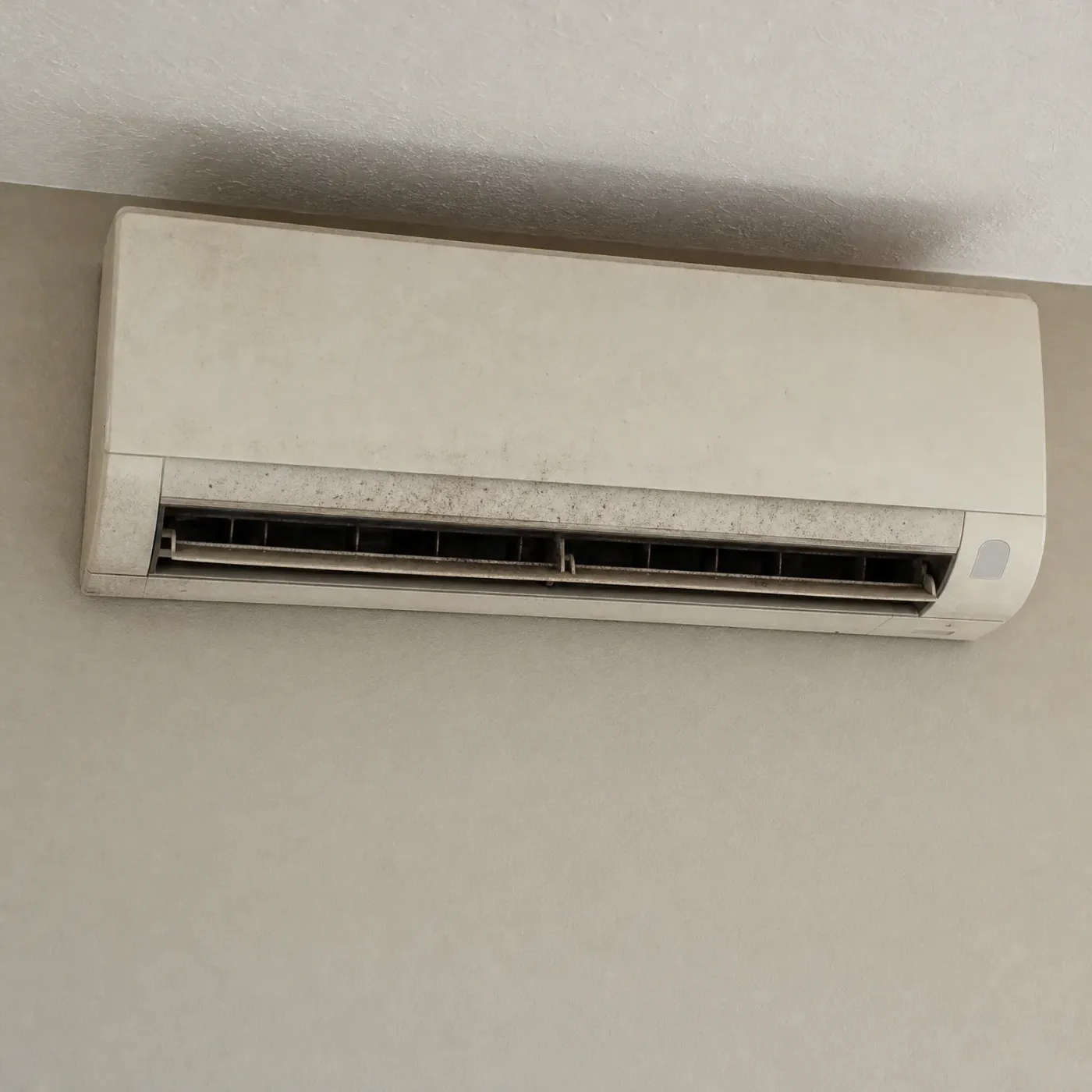
Your mini split doesn't make heat the way a furnace does. It's a heat pump, so it moves heat from the outside air into your house, even when it's cold out. The colder it gets, the harder the outdoor unit has to work to pull that heat out, which is why it runs longer on frigid nights than on a mild one. When moisture in the air freezes on the outdoor coil, the system briefly switches into cooling mode to melt the ice off before going back to heating. If you walk by and see steam coming off the outdoor unit or notice the fan stop for a few minutes, that's the defrost cycle doing its job, not a breakdown. On the coldest nights, some systems lean on a backup heat strip or another heat source to make up the difference. One thing worth knowing about the indoor head: it measures temperature right where it's mounted. If yours sits near a door or a drafty window, it may be reacting to that cold air instead of the room as a whole.
How your mini split actually heats
- A mini split warms the room with a heat pump, pulling heat from outside air and moving it inside rather than generating it like a furnace does.
- Below freezing, the outdoor coil still pulls usable heat from the air, though the unit has to work harder to do it.
- The outdoor unit's fan and coil ice up in cold, damp weather, and the system reverses briefly into cooling mode to melt that ice off.
- During a defrost cycle you may see steam rising off the outdoor unit or hear the fan pause, and neither means something is wrong.
- A backup electric heat strip or a secondary heat source kicks in on the coldest nights when the heat pump alone can't keep up.
- The indoor head reads the room's air temperature at the unit itself, so a head mounted near a drafty door or window can misjudge the room.


Power costs 13.22 cents per kilowatt-hour statewide
At 13.22 cents a kilowatt-hour, running your mini split steady through the winter instead of letting the house go cold and cranking it back up costs you less than you'd think. Big temperature swings are what drive the bill up, not the heat pump itself.
EIA-861 2025 statewide residential average

Indoor unit pulls in room air through its front panel.
Refrigerant inside the coil absorbs heat from outside air.
Compressor raises the refrigerant's temperature under pressure.
Indoor coil releases that heat into the air passing through.

A steady setting gets you through winter here
Pick a temperature in the high 60s or low 70s, set it to heat, and leave it alone. That's the whole answer. The unit does the rest, frost and defrost cycles included, without any help from the thermostat dial.
What it won't do on its own is tell you when the filter's packed with dust or the outdoor coil needs a look before the next cold snap. That's the part worth having checked once a year by someone who can see the unit, not just read about it. A maintenance visit catches what a setting can't, and once you're matched with someone local who handles that, you're not the one tracking it down anymore.

A local pro for your mini split maintenance
Send the form and the mini split tune-up stops being something to remember.