Profile view of a bearded man wearing a dark baseball cap and a dark gray T-shirt against a plain off-white background.

Can a mini split be your only heat in Tennessee

Step 1 of 3: Equipment

A mini split can heat your whole home in most of Tennessee, as long as it's sized and installed for the cold snaps you actually get here. These are heat pumps, and the newer cold-climate models keep producing heat well below freezing, which covers the nights you'll see in a Tennessee winter. Most homes here already heat with electricity, so you're not giving anything up by running on one. The question is capacity, not whether the technology works. A unit sized for cooling a single room won't keep up on the coldest morning of the year unless the install accounted for that from the start. The right setup, matched to your home and backed up only if your lowest temperatures call for it, can carry you through winter on its own. Get the sizing and the installation right, and this isn't a backup system. It's your heat.

A gray-haired man in a blue quarter-zip sweater sits in an armchair with his eyes closed, beside a large window with bare trees outside and a potted plant and lamp nearby.
A woman in a cream knit sweater sits in an armchair with her eyes closed and head tilted back, beside a window showing orange autumn foliage and a wooden side table with a mug.

A mini split doesn't make heat the way a furnace does. It moves heat that's already in the outdoor air into your home, running refrigerant through a compressor the same way a refrigerator moves heat out of its box. On a cold night, that air holds less heat to pull from, so the unit has less capacity to work with than it did at 30 degrees. A cold-climate compressor handles that by running variable speed. It ramps up and works harder when it's colder, rather than just switching on and off. Inside, the head reads the room and adjusts speed and fan to hold the temperature steady, instead of blasting full output and shutting off. Every so often, in freezing weather, the outdoor unit pauses to run a defrost cycle, melting frost off its coil before it goes back to heating. None of this works right if the unit is sized off a square footage guess. It has to come from a room by room heat loss calculation, done for your home, so the compressor is matched to what it actually has to cover on the coldest night you get.

How a cold-climate mini split works

  • A mini split pulls heat out of outdoor air by running refrigerant through a compressor cycle, the same way your refrigerator moves heat out of its box.
  • Below freezing, the outdoor unit runs a defrost cycle every so often, reversing briefly to melt frost off its coil before going back to heating.
  • A cold-climate compressor is a variable-speed model, so it ramps output up on a cold night instead of just switching on and off like an older unit.
  • The indoor head reads the room temperature and adjusts the compressor speed and fan to hold it, rather than cycling on full blast and shutting off.
  • Capacity drops as the outdoor temperature drops, so the unit that heats your home at 30 degrees has less to give at 10 degrees.
  • Sizing comes from a room by room heat loss calculation, not a square footage guess, because an oversized or undersized unit short cycles or can't keep up.
A man in a gray sweater reclines in a brown leather armchair with his eyes closed, beside a wooden side table holding a mug, a folded newspaper and a potted plant, with a bookshelf and sunlit window behind him.
A man with greying hair and a dark sweater leans back on an armchair with his eyes closed and a slight smile, in a living room with a bookshelf, plant, folded newspaper and mug on a wooden table.
A man in a gray fleece jacket sits reclined in a leather chair with his eyes closed, in a room with bookshelves, a table lamp, a window, and a desk holding a folded newspaper and a dark mug.
A bearded man in a gray fleece pullover sits with eyes closed in a brown leather armchair in a living room, with a floor lamp, bookshelf, potted plants, a side table holding newspapers and a dark mug, and a bright window behind him.
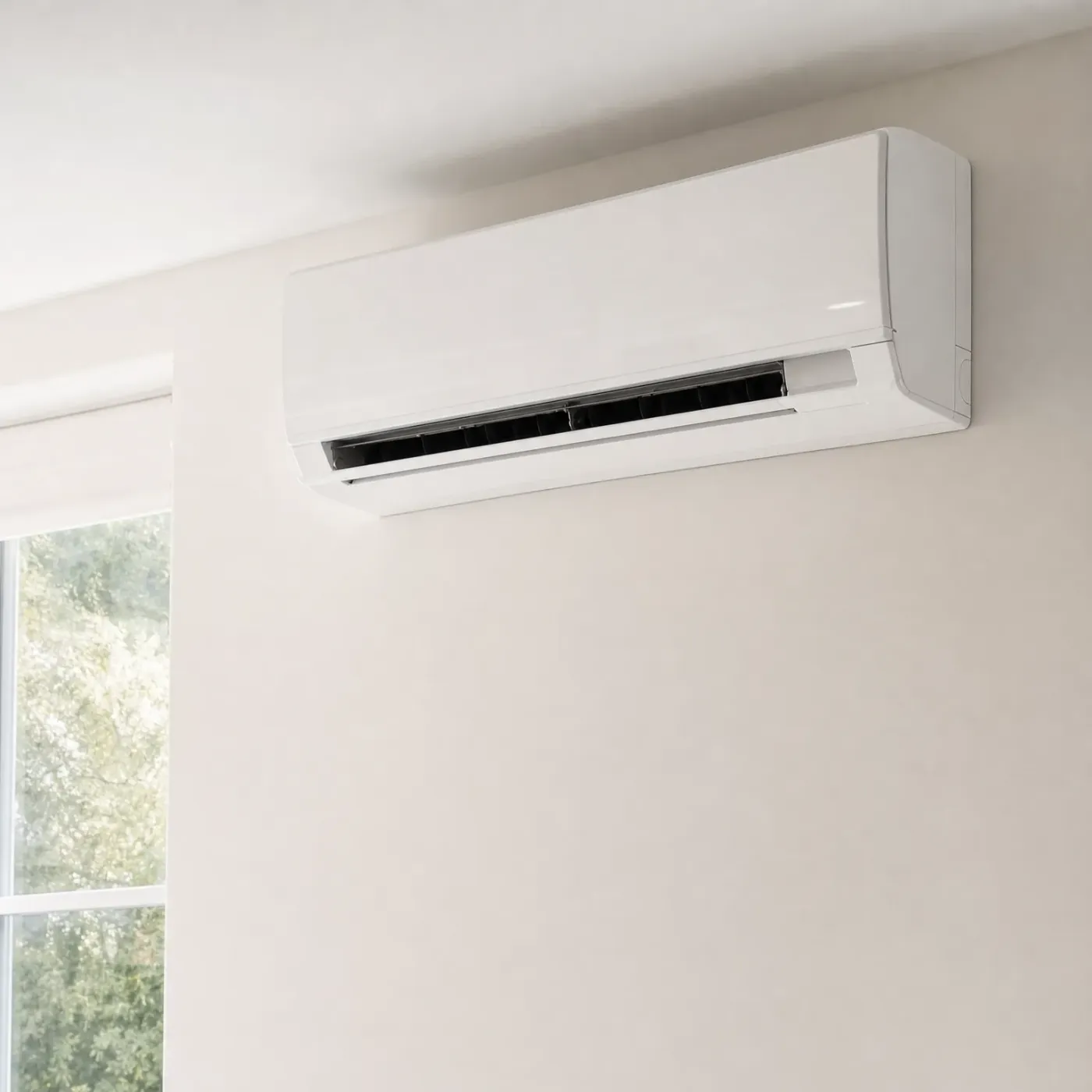
A white wall-mounted mini-split air conditioner installed near the ceiling on a light-colored interior wall, with a window and green foliage visible at the left edge.

Running clean, heating fine

A mini split that gets serviced keeps pulling its rated heat down to the temperatures it's built for. The coil stays clear, the airflow stays strong, and the unit can actually hit the output it was sized for on a cold night.

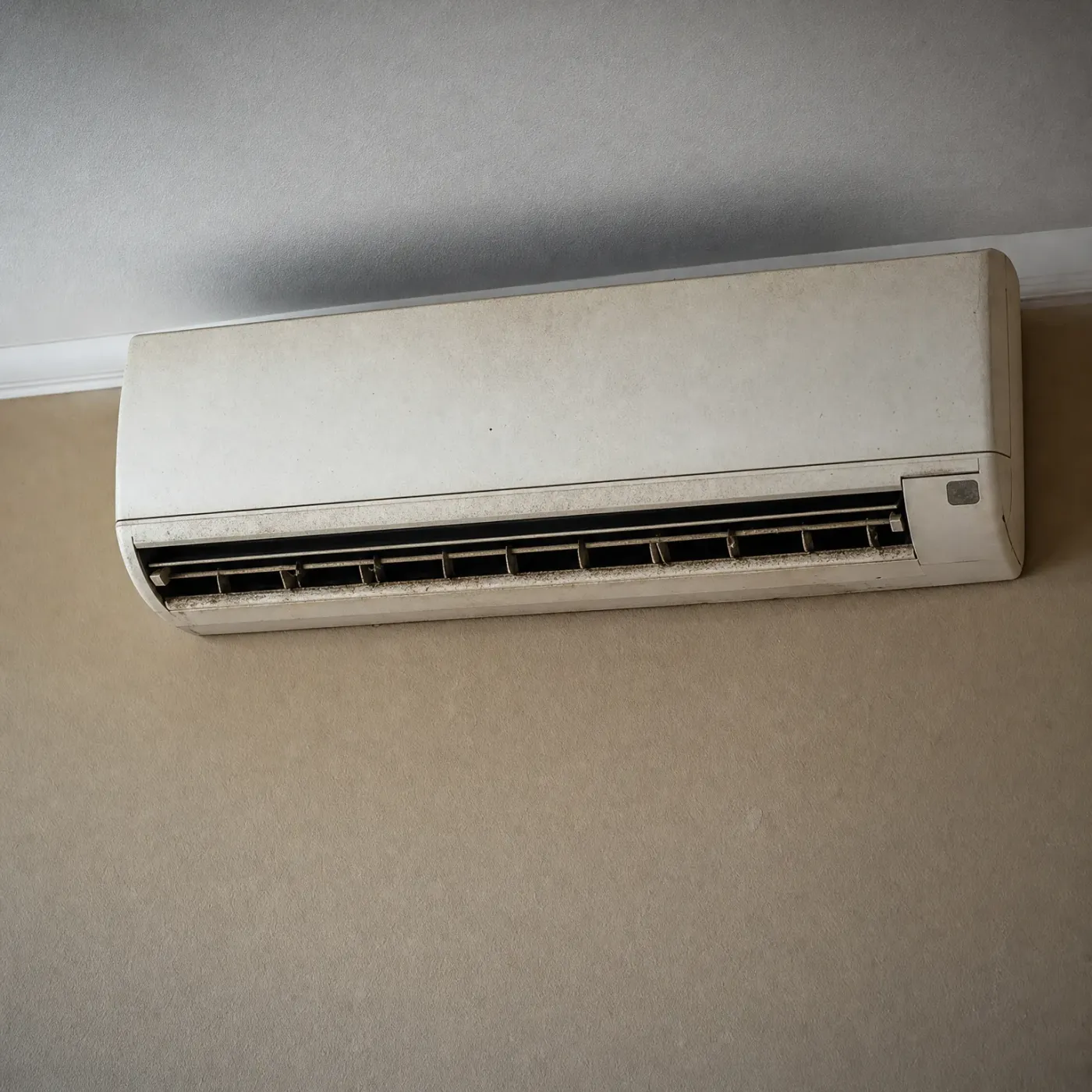
A dusty white wall-mounted mini-split air conditioner indoor unit installed high on a beige interior wall below a white ceiling and trim.

Caked up, falling short

Dust and grime on the intake grille and coil block airflow before the unit even starts working. A mini split in this shape struggles to keep up on a mild day, let alone when it's the only thing standing between you and a cold house in January.

Why does your living room feel colder than the thermostat says

You turn it up and the number climbs, but the room doesn't follow. The air coming out of the indoor unit feels cool instead of warm, or it's warm but weak, and the corners of the room stay cold while you're sitting right under the vent. Outside, you might notice the unit running almost nonstop on the coldest nights, or frost building up on the coil and staying there longer than it should. Left alone through a few winters, a mini split that's struggling like this will run up your electric bill chasing a temperature it can't hold, and in the coldest stretches it may not keep up at all.

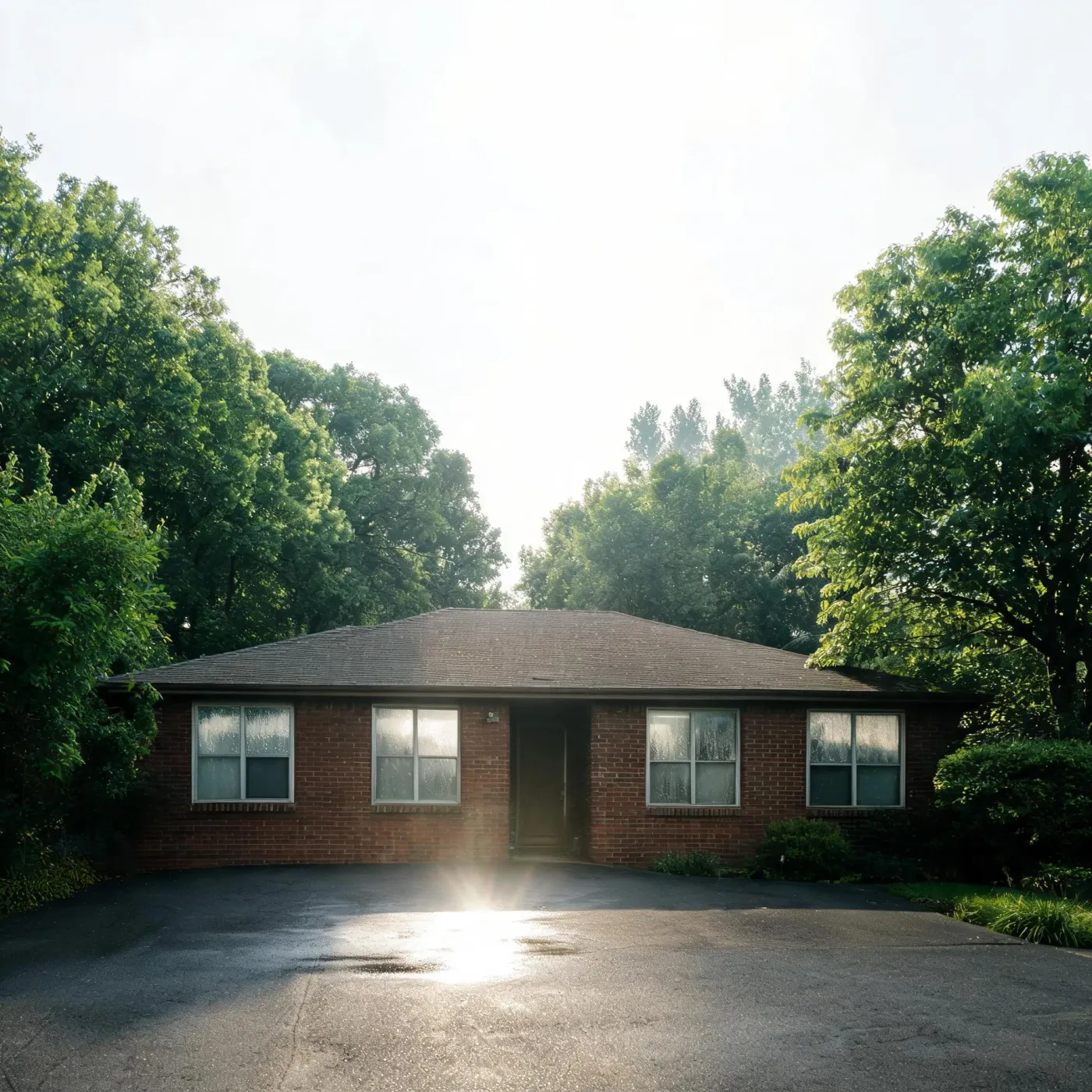
A single-story red brick house with a dark shingled hip roof, central door and four windows, fronted by a wide asphalt driveway and flanked by leafy green trees under a bright hazy sky.

Summer air here sits at a dew point around 66°F, averaged across June, July and August. That's sticky enough that your mini split spends most of those months pulling moisture out of the air as much as cooling it, which is exactly what the indoor coil is built to do. Where that catches up with people is the other half of the year, when the same system has to carry the heat load alone through a cold snap. A mini split sized only for how it ran this summer can come up short in January. That's a sizing job worth having someone local look at, someone who installs and services these units in Tennessee all year and knows where that mismatch usually shows up first.

Source: NOAA climate normals.

NASA POWER T2MDEW county cells weighted by homes

Let someone else find the pro

A mini split that's sized wrong, or installed without attention to how it'll perform on your coldest nights, won't carry your home through January no matter what the spec sheet says. Since most homes in Tennessee already heat with electricity, you're not weighing this against a gas bill, and power here stays cheap enough that running a correctly sized mini split as your only heat makes sense for a lot of houses. The part that decides whether it works is the install: the unit matched to your square footage, the lines run clean, the outdoor placement thought through so defrost cycles and airflow aren't fighting each other. That's worth getting right once rather than chasing a cold room all winter. A local contractor who installs and services these year-round knows what sizing actually holds up here and what corners cause trouble later. Sending the request means you stop carrying that question around.

A properly sized mini split heats down to around 5°F and keeps most of its rated output there, which covers the coldest nights Tennessee sees most winters.

That's why sizing for your coldest night, not just the average, is what decides whether a mini split can carry your home alone or needs backup.

Power costs 13.22 cents per kilowatt-hour statewide

At 13.22 cents per kilowatt-hour, running your mini split all winter instead of a gas furnace or electric resistance heat won't punish your bill the way it might elsewhere. A heat pump moves heat rather than generating it, so it gets more warmth out of every cent than straight electric heat does.

EIA-861 2025 statewide residential average

So, can it carry your winter

  • A mini split sized and installed for your coldest night can carry a Tennessee home through winter without backup heat.
  • What decides this is the sizing and the install, not the brand or the spec sheet on the box.
  • A local contractor who works on these units every winter knows which models actually hold their output in a Tennessee cold snap.
  • One contractor means one visit to size the job against your home instead of several crews guessing at the same question.
  • The equipment and the climate both check out here, so the install is what the answer comes down to.

Yes, for most homes in Tennessee, a mini split can be the only heat you need. The equipment handles the cold snaps you actually get here, and the electric rate works in your favor instead of against you. What's left is the install itself, and that's where a lot of these systems either earn their keep or fall short of it.

Sizing a mini split means matching it to your home, your layout, and the coldest night your area sees, not just picking a unit off a spec sheet. A contractor who services these systems every winter in your area has already seen which models hold their output when it's cold outside and which ones start falling behind. That's the kind of thing you only learn by doing the work season after season, not by reading a brochure.

You also don't need five companies looking at the same job. One licensed, local contractor can walk through your home, look at where the heat loss is worst, and size the system around your actual coldest night. That's one visit, one assessment, one answer you can act on, instead of a handful of estimates that disagree with each other for reasons you can't check.

The climate here works with this equipment. The cost of running it works in your favor. What decides whether it heats your home all winter is whether it's sized and installed right, and that's a question worth getting answered by someone who does this work in Tennessee winters, not just someone who sells the unit.


A curving paver walkway runs alongside a house with beige lap siding and a white-trimmed window, bordered by low shrubs, grassy plants, and trees in sunlight.
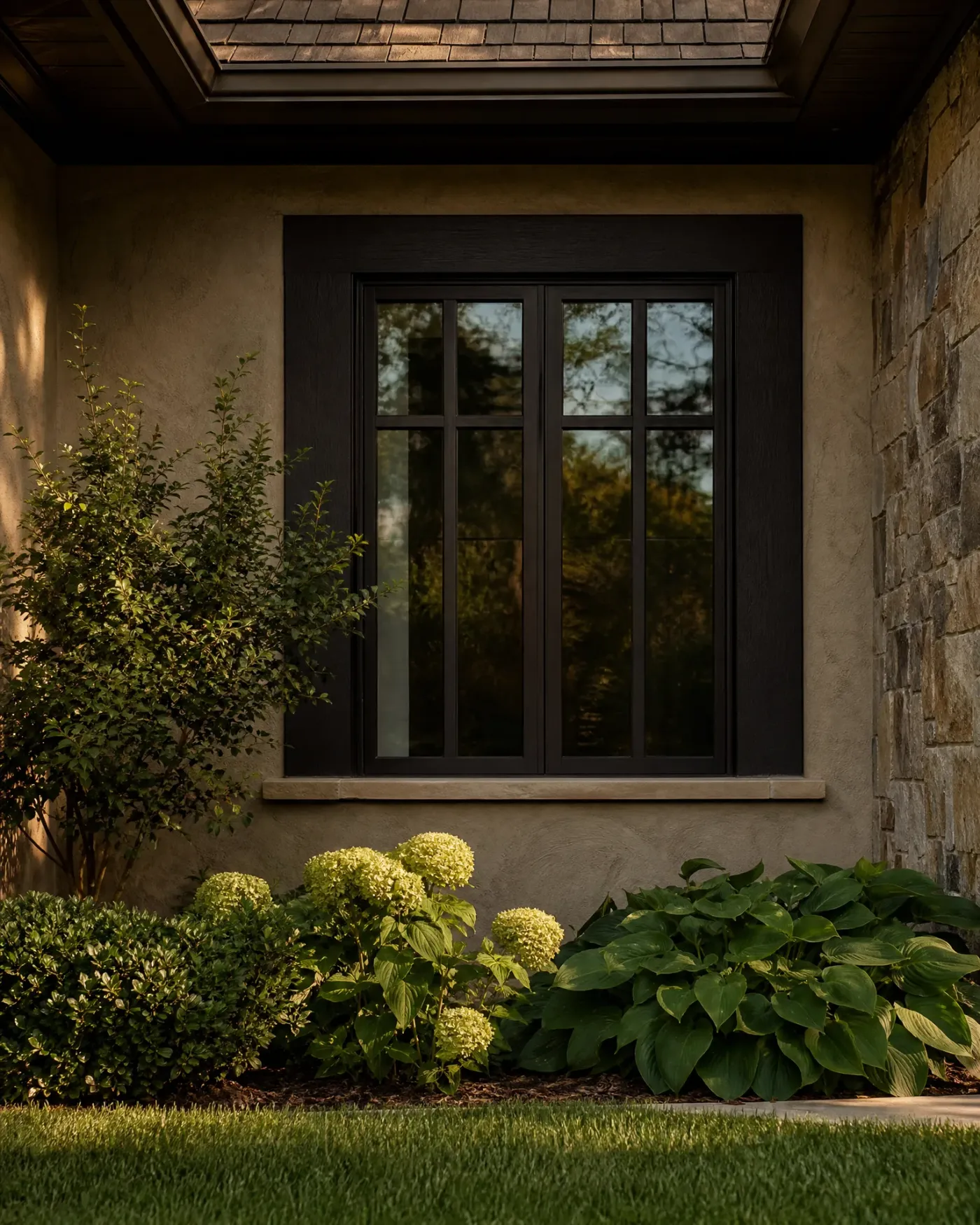
A dark-framed casement window with divided upper panes set in a stucco wall beside a stone-clad section, with hydrangeas, hostas and trimmed shrubs in a mulched bed above a lawn.
White horizontal lap siding wall with a single six-pane double-hung window, above a mulched bed of hydrangea shrubs with browning blooms, bordered by mown grass in low sunlight.
Interior corner with tan plaster walls, a potted olive tree in a large terracotta urn beside a floor-to-ceiling window, and a wooden bench with a beige cushion on a herringbone brick floor partly covered by a woven jute rug.
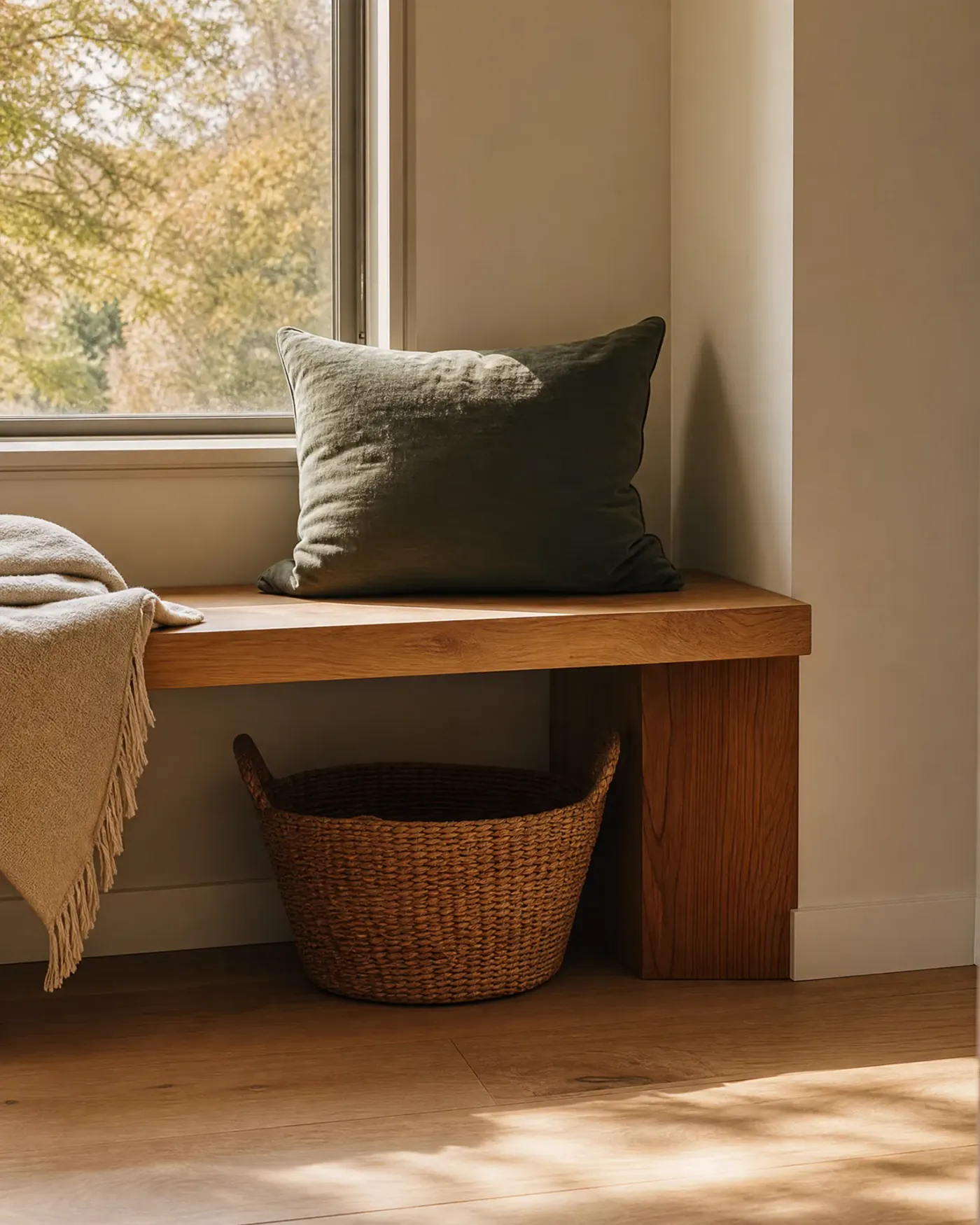
A wooden bench beneath a window holds a green linen cushion and a fringed cream throw, with a woven basket stored underneath on a wood plank floor.

One request and it's handed off

Your request stays with one local pro.

Reach a local pro

Asking costs nothing, and the choice to hire stays yours.