Profile view of a bearded man wearing a black baseball cap and a dark gray T-shirt against a plain light background.

Can a mini split heat a basement in a Tennessee winter

Step 1 of 3: Equipment

A mini split can heat a basement through a Tennessee winter, as long as it's sized and installed for that space. These units are heat pumps, and heat pumps pull warmth from outside air even when it's cold, which is how most Tennessee homes already heat themselves with electricity. The catch is the basement itself. It sits partly below grade, often with less insulation than the rest of the house, and a unit sized for a normal room will fall short there on the coldest nights. Where a heat pump can struggle is in the single digits, when the outdoor coil has to work harder and may ice over, so the install matters as much as the equipment. Get the sizing and the placement right for that specific basement, and it will keep up fine through a Tennessee winter.

A woman with shoulder-length brown hair wearing a beige knit cardigan sits in a gray upholstered armchair near a window, looking off to the side with a slight smile, with bookshelves blurred in the background.
A woman and a sleeping child wrapped together in a cream knitted blanket on a couch, with a potted plant, framed photo and lit lamp in the background.

A basement is its own room for heating purposes. The indoor head down there has to be matched to that space, its square footage, its walls, how much of it sits below grade, not treated as a leftover slice of whatever tonnage covers the floors above it. Concrete walls and few windows mean a basement often loses heat slower than a room upstairs, so the number a contractor lands on for that space can come in lower per square foot than you'd expect. Outside, the unit is doing real work in the cold. When the temperature drops, it runs through defrost cycles to clear ice off its coil, and for a few minutes during one of those cycles you might feel a short waft of cool air from the indoor head before it swings back to heat. Cold climate heat pumps are built to keep producing heat well into the teens and single digits, which is what a Tennessee winter actually asks of them. Where that outdoor unit sits matters too, and so does how the line set is sealed where it passes through the wall into the basement.

How a Basement Mini Split Actually Runs

  • A basement mini split needs its indoor head sized to that room alone, not split off the tonnage used for the rest of the house.
  • Below freezing, the outdoor unit runs a defrost cycle that briefly reverses the system and can push a puff of cool air inside.
  • Most heat pumps rated for cold climates hold their heating output down into the teens and single digits, which covers a hard Tennessee freeze.
  • A basement with concrete walls and little outside wall area loses heat slower than an upstairs room, so the load calculation runs lower per square foot.
  • The outdoor unit needs to sit above where snow or ice can pile against it, since blocked airflow cuts heating capacity.
  • Line sets run through the foundation wall or a rim joist, and that penetration has to be sealed so outside air doesn't leak into the basement.
A man with grey hair and stubble in a dark sweater sits on a grey sofa indoors, looking off to the side, with a potted plant and a sunlit window behind him.
A man with gray hair, a beard and glasses, wearing a dark green sweater, sits on a gray sofa in a sunlit living room with a potted plant, table lamp and wooden sideboard behind him.
A middle-aged man with graying hair and a short beard sits on a blue sofa in a living room, looking toward a window, with a bookshelf, lamp and framed picture in the background.
A man with graying curly hair and a dark green sweater sits on a gray sofa in a sunlit living room, looking off to the side, with a framed picture, shelving, an armchair and a window with sheer curtains behind him.

Basement air sits colder and damper than the rest of the house, so the heat pump has to keep pulling its share from outside air that's already near freezing.

That's normal work for the unit, not a sign it's underpowered, as long as whoever installed it sized the head for a cold, below-grade room instead of a typical upstairs bedroom.

Power costs 13.22 cents per kilowatt-hour statewide

At 13.22 cents a kilowatt-hour, running your basement mini split through a cold snap won't hit your bill the way a space heater would. A heat pump moves heat instead of making it, so it stays cheap to run even when it's working hard to pull warmth out of near-freezing air.

EIA-861 2025 statewide residential average

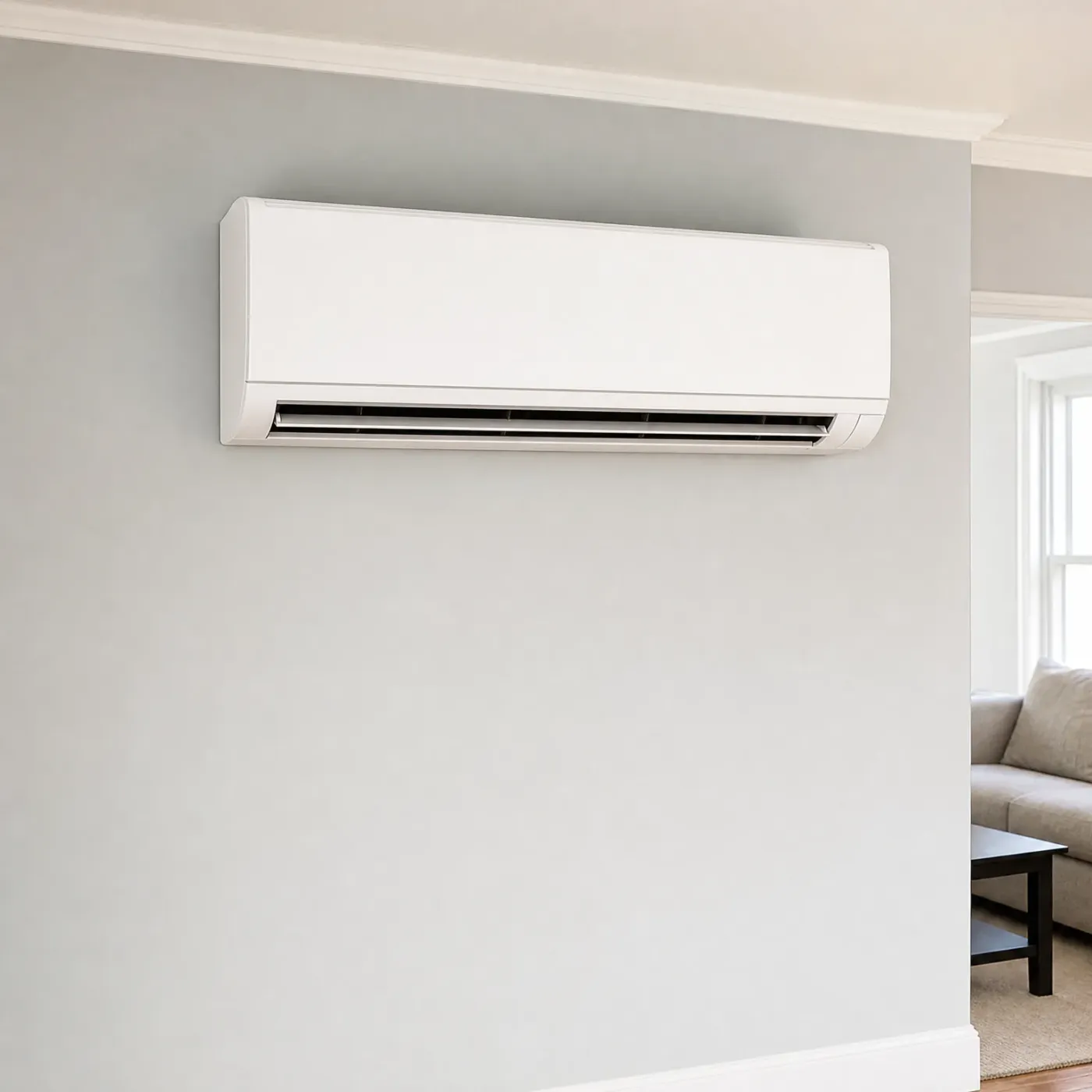
A white wall-mounted mini-split indoor unit installed high on a gray interior wall, with a sofa, dark table and window visible in an adjoining room to the right.

Sized right, it keeps up

A mini split that matches your basement will hold its temperature through the coldest stretch of the night without straining. The room stays even, the air moves steady out of the head, and you won't notice it working.

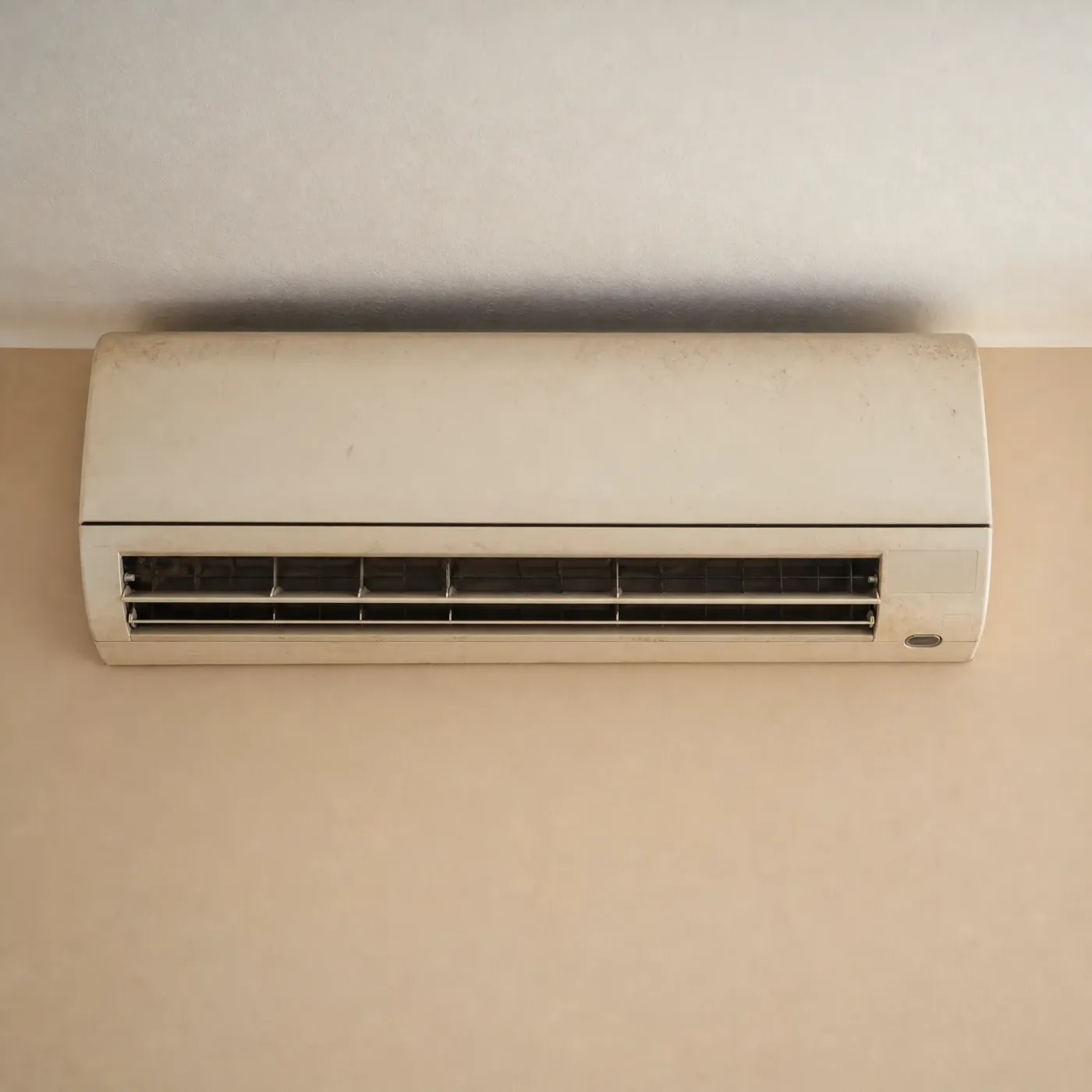
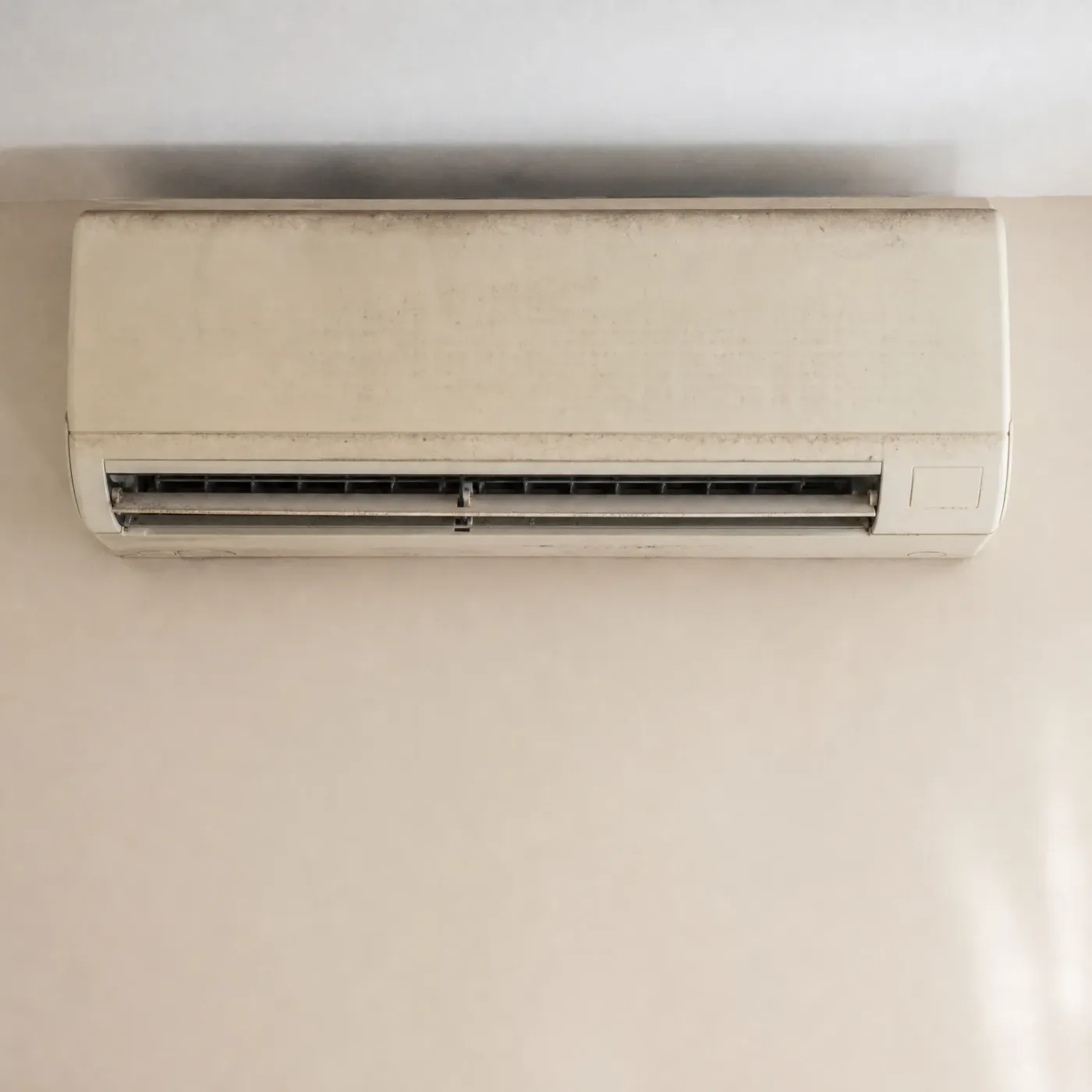
A wall-mounted mini-split air conditioner indoor unit with a dusty beige casing and dark louvered vent, installed near the ceiling on a plain beige wall.

Undersized, it shows wear fast

A unit asked to cover more room than it was built for runs long hours it wasn't sized for. Dust and yellowing on the casing like this often mean a system that's been working harder than it should, not just one that's old.
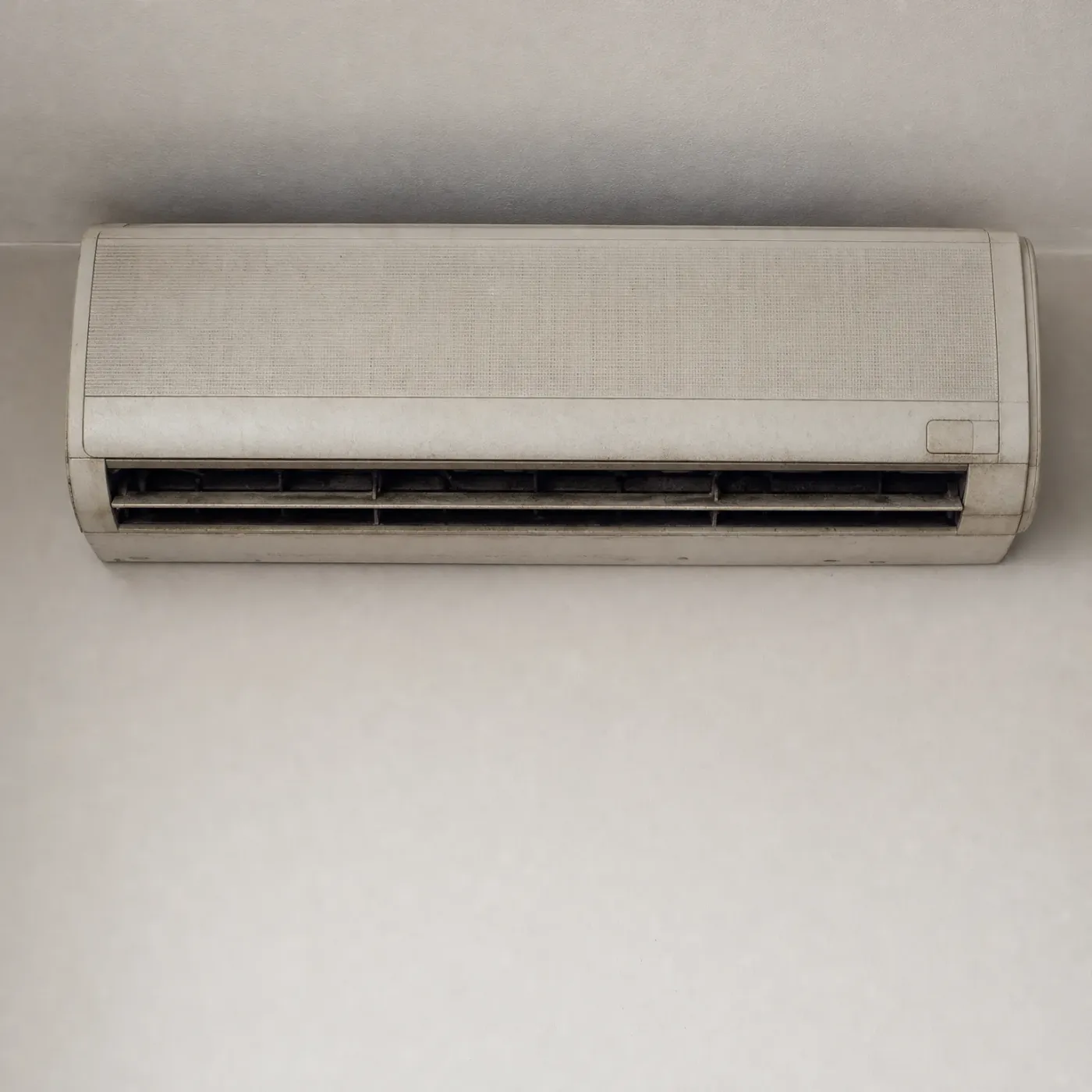
A dusty white wall-mounted mini-split air conditioner indoor unit with open louvers, installed near the ceiling on a plain light-colored wall.
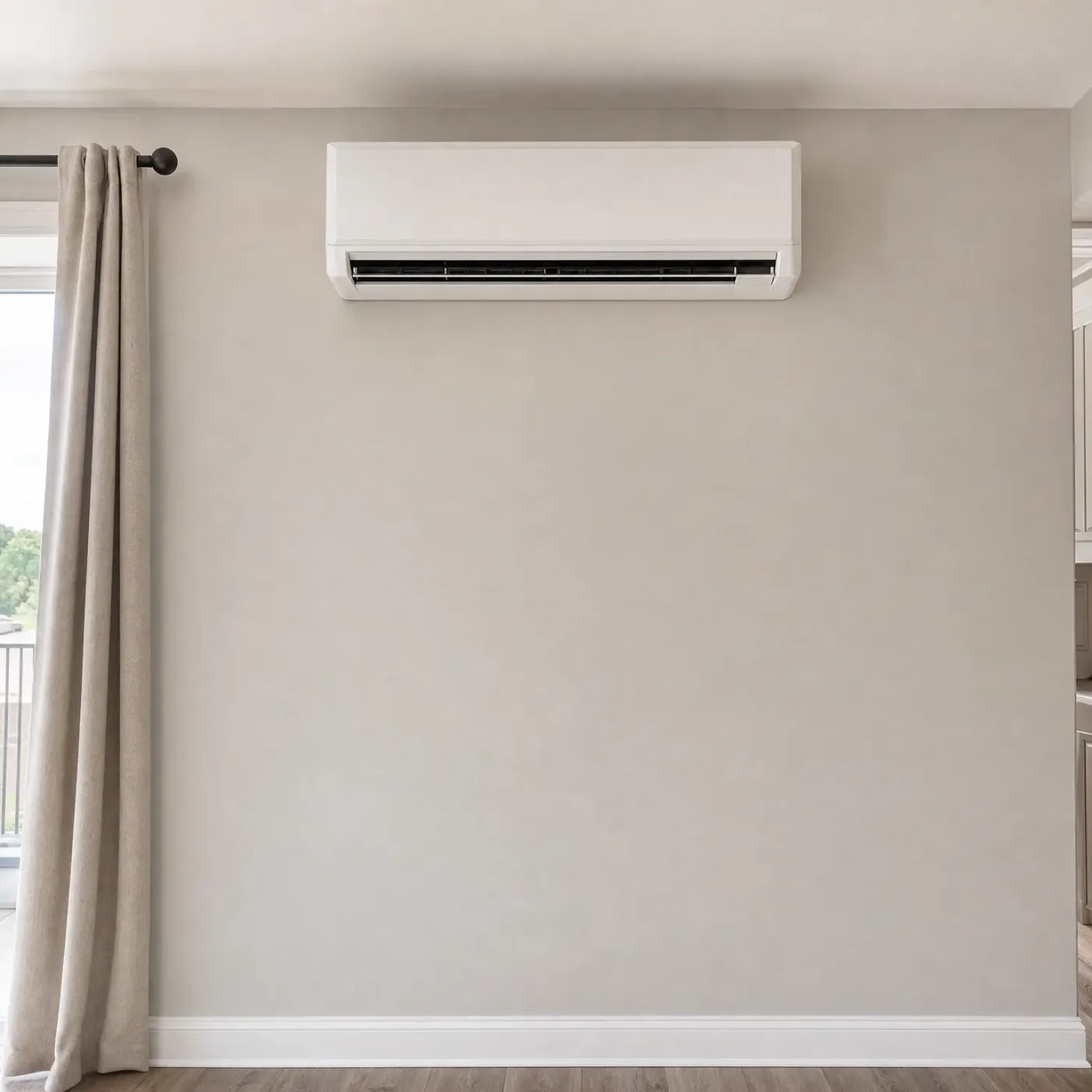
Before you get your mini split installation
A white wall-mounted mini-split air conditioner unit high on a light gray interior wall, with a beige curtain and window at the left and wood-look flooring below.
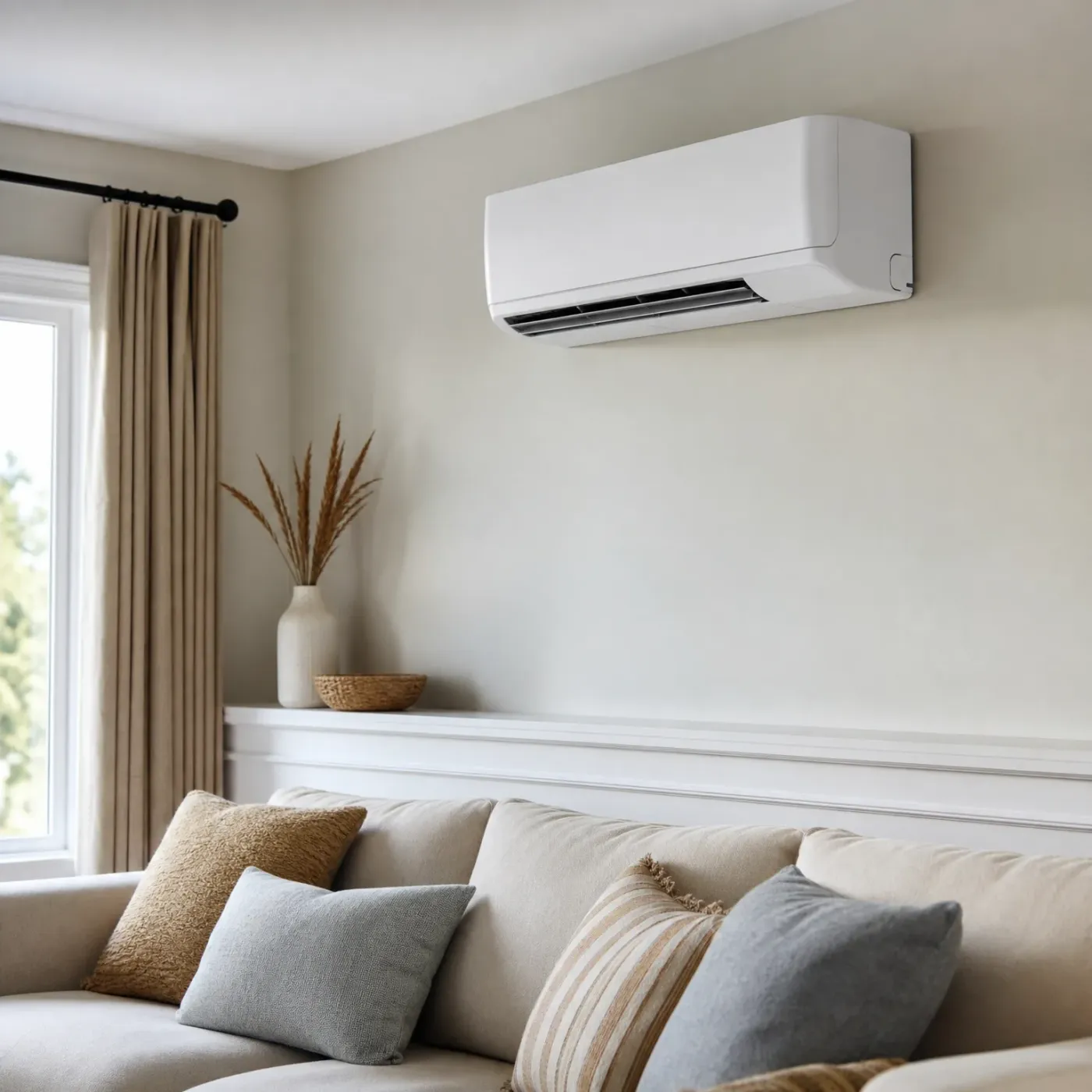
After you get your mini split installation
A white wall-mounted mini-split air conditioner on a pale wall above a beige sofa with assorted cushions, beside a window with long curtains and a shelf holding a vase of dried grasses and a woven bowl.

One request and it's handed off

Your request goes to one pro, not a list of companies.

Send the form and stop researching installers for the new mini split.

I'm done searching

You're not committing to anything by asking.

Sized Right vs. Sized Wrong

Right size

  • The installer measures the basement and picks a head rated for that square footage, not whatever was left over from another room.
  • A correctly sized unit cycles on and off instead of running flat out, which is what actually keeps the room steady overnight.
  • Because it isn't straining, the outdoor unit's defrost cycles stay brief and the cool puff you feel afterward is barely noticeable.
  • Your electric bill reflects a heat pump doing normal work, not a system fighting to cover square footage it was never meant to handle.
  • A licensed installer who works on these units every winter in Tennessee knows the load a basement puts on a heat pump and sizes for it, not for the house average.

Undersized

  • A head that's too small for the basement runs constantly trying to catch up, and still loses ground once the temperature drops hard.
  • Long defrost cycles happen more often on a strained unit, so the cool air you feel afterward lasts longer and happens more frequently.
  • The room never quite evens out. Corners farthest from the head stay noticeably colder than the air near it.
  • Running flat out through a cold snap costs more than the same unit would running normally, even with Tennessee's cheap electricity.
  • Undersizing usually traces back to someone splitting tonnage meant for the whole house instead of sizing the basement on its own.
  1. An installer measures your basement to find the heat load

  2. They pick an outdoor unit sized to that load alone

  3. The outdoor unit and indoor head get mounted and lines run between them

  4. Refrigerant lines get connected and the system is pressure tested

Why does the basement feel cold in one corner but not the rest

You'll notice it most near the far wall or under the stairs, the spot the head isn't aimed at. The air there feels heavier and a few degrees cooler than where the unit blows. Touch the floor near the foundation and it's colder still, since basement slabs sit against ground that stays cold all winter. If the room never quite catches up no matter how long the unit runs, that's usually a sign the space is bigger than what the head was built to cover, not something wrong with the unit itself. Left alone, a basement that won't hold heat tends to hold moisture too, and damp corners in a cold basement are how mold gets started.
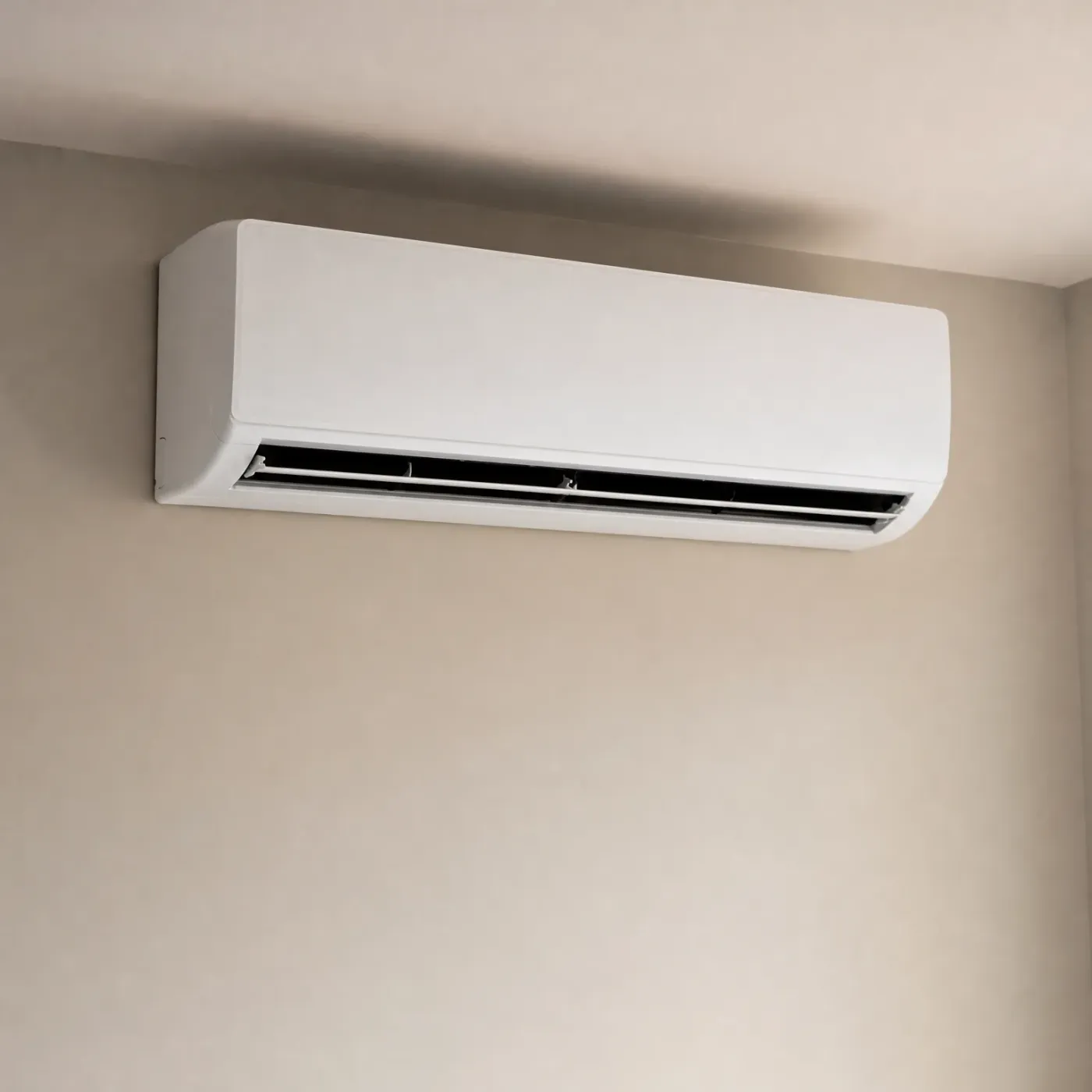
A white wall-mounted mini-split air conditioner installed near the ceiling on a plain beige interior wall.
A mini split installed for the basement's actual heat load keeps the panel clean and the unit quiet through the winter.
A dusty, discolored wall-mounted mini-split air conditioner unit near the ceiling of a plain beige interior wall.
A unit worn and discolored like this is often one that's been running past what it was sized for, straining to keep up.

The short answer, put plainly

  • A mini split can carry a Tennessee basement through winter if it's sized to that room and installed by someone who knows the load.
  • The brief puff of cool air during a defrost cycle is normal operation, not a system that's failing.
  • A basement working harder than the upstairs unit is expected, since that air starts out colder, not a sign of poor equipment.
  • Running cost stays low through a cold snap because the system is moving heat, not generating it like a space heater.
  • A unit matched to the space holds steady temperature overnight without straining, while an undersized one can't keep up.
  • Getting the sizing and installation right the first time is what separates a basement that stays even from one with a cold corner.

Yes, a mini split can keep your basement warm through a Tennessee winter. The system needs to match that room's heat load, and it needs an installer who measures for it instead of guessing. Everything this page has walked through comes down to that one condition. The defrost cycle, the extra work a basement demands compared to the rest of the house, the low running cost on your electric bill, all of it depends on sizing done right from the start. Skip that step and you get a cold corner, a unit that strains, or a system cycling in a way that never quite settles the room.

That's where having one local contractor look at your basement matters more than it sounds like it should. Someone who installs these units in Tennessee basements all winter has seen which rooms give the system trouble and which don't, and they know what a basement here actually needs compared to a bedroom or a living room upstairs. You're not fielding calls from three or four companies trying to win the job. You're getting matched with one licensed contractor who handles this equipment regularly and can look at your space with that experience behind it.

Once you've sent the request, the work of finding someone qualified is off your plate. You know what a properly sized system should do in your basement, and you know what to expect once it's in. What's left is getting the right person to look at the room.
Kitchen corner with cream upper cabinets, oak lower cabinets, white marble-look countertop, beige tile backsplash, a ceramic vase of greenery, a wooden cutting board and bowl, and a black-framed window at right.
Interior corner of a room with a white-framed window and wide sill, beige walls with panel molding, a wooden cabinet holding a ceramic vase with a green leafy plant, and blurred shrubs and trees outside.
A wood-framed armchair with beige cushions and a woven lumbar pillow sits in a corner beside a large window overlooking green trees, with a tall ceramic vase holding leafy branches on the left and plaster walls and wood flooring.
Interior corner with a white-framed window above a sill, beige walls with baseboard molding, a greige shaker-style cabinet with brass knobs and a potted plant on top, light wood flooring and a woven jute rug.
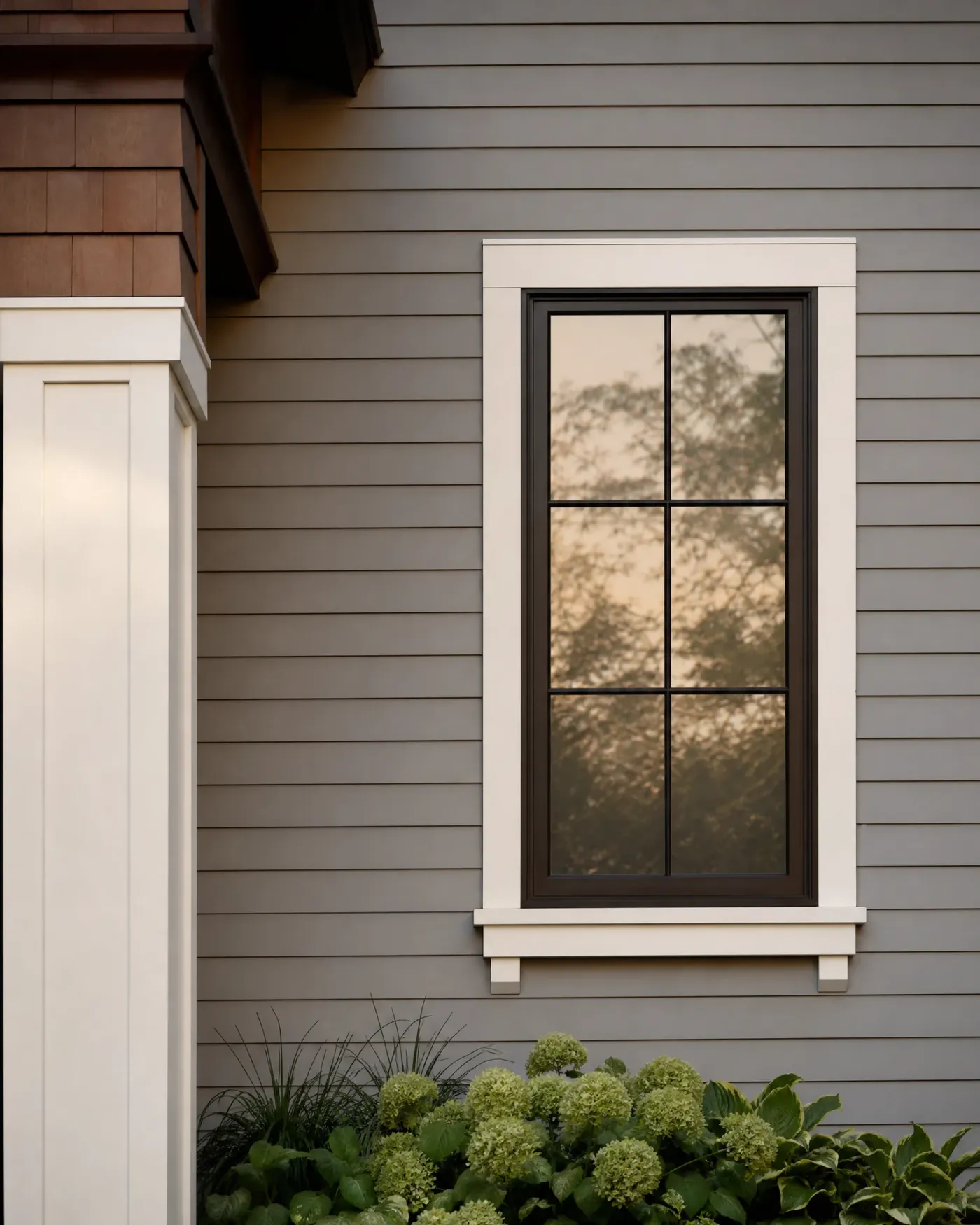
A dark-framed six-pane window with white trim and sill set in gray horizontal lap siding, with hydrangea shrubs below and a white column and shingled roof section at left.

Done looking for a mini split pro

One installer gets your project, so there's no bidding war over it.

Hand it over

It costs nothing to send, and you don't have to hire anyone.