Get Mini Split TN
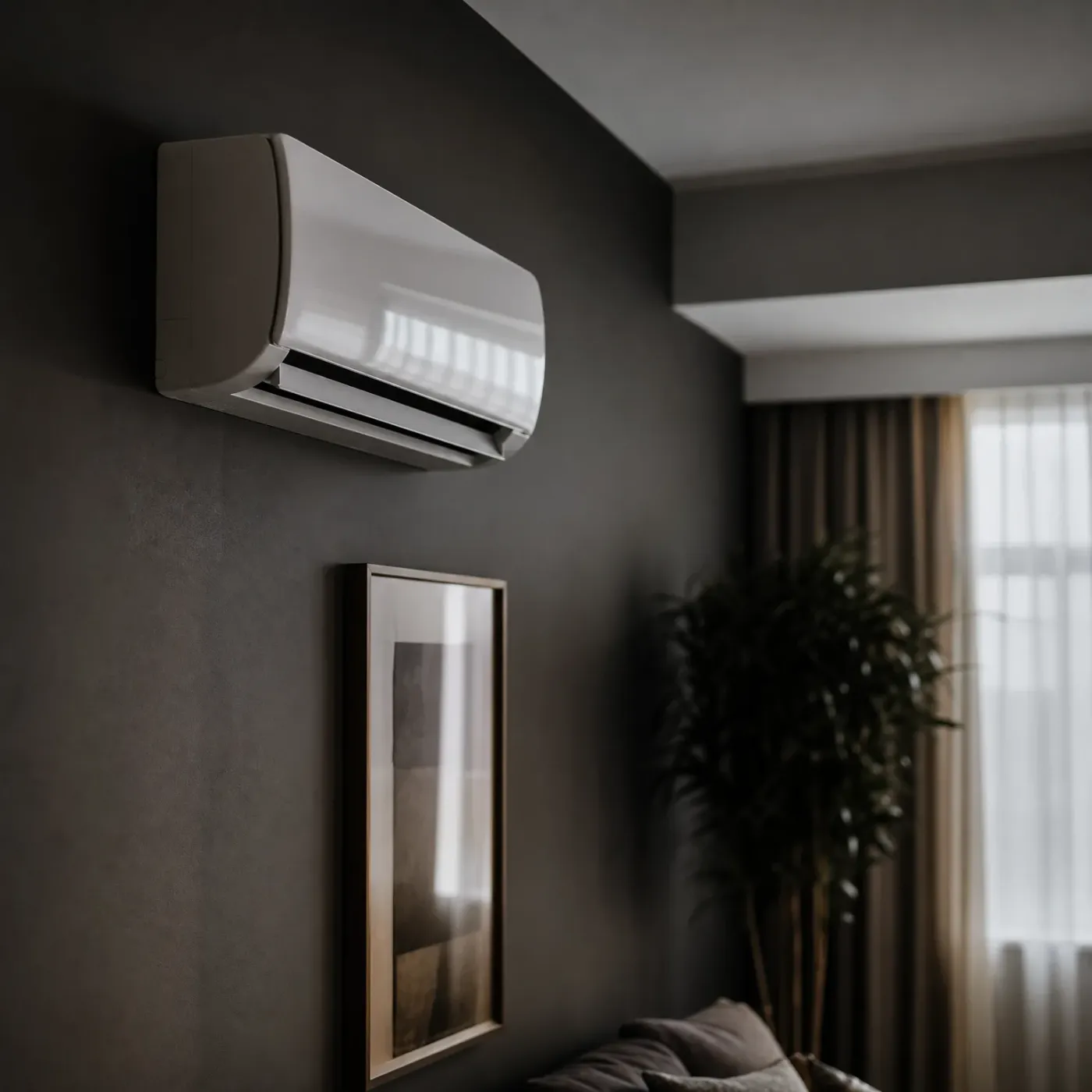
A white wall-mounted mini-split air conditioner on a dark gray interior wall above a framed picture, with a potted plant and curtained window to the right.

Get your mini split to the right pro

Does a mini split lower heating bills in Tennessee

Most homes in Tennessee heat with electricity, and power here is cheap, so the math on a mini split isn't as simple as it looks in other states. What matters is how your unit compares to the furnace or heat strips it's replacing, and whether it's sized right for the rooms it covers. If you want someone local to look at your setup and tell you where it stands, you can get matched with a contractor who installs these year-round.

Request a pro

A mini split usually does lower your heating bill, but in Tennessee the gap is smaller than people expect. Power here is cheap and most homes already heat with electricity, so you're not comparing against an expensive fuel like propane or oil. The savings come from how a mini split moves heat instead of making it. A furnace or baseboard heater turns electricity directly into heat. A mini split uses electricity to pull heat from the outside air and move it indoors, so it can produce several times more heat than the energy it uses. That efficiency holds up well in Tennessee winters, which don't get cold enough to strain the system the way northern winters do. Whether you see real savings depends on what it's replacing and how well it's sized for your home. A mini split replacing electric resistance heat strips will usually save you money every month. One replacing a well-tuned gas furnace may not.

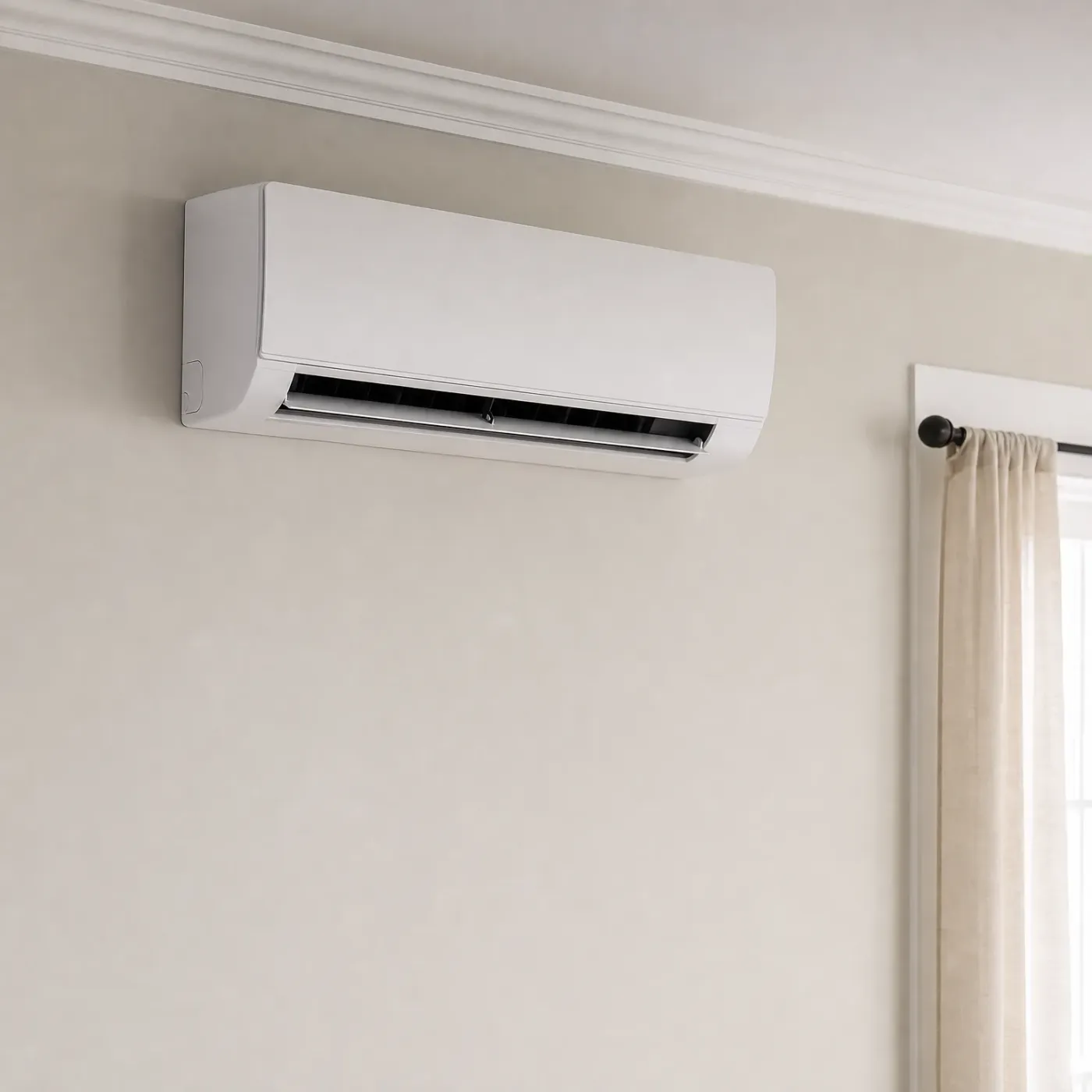
A white wall-mounted mini-split air conditioner installed high on a beige interior wall below crown molding, with a window and light curtain on a black rod at right.

Running clean

A mini split that gets to breathe pulls heat out of the cold air outside without fighting its own coil. Set the thermostat and leave it. On a mild Tennessee morning this is the unit doing what it was sized to do, nothing straining to catch up.
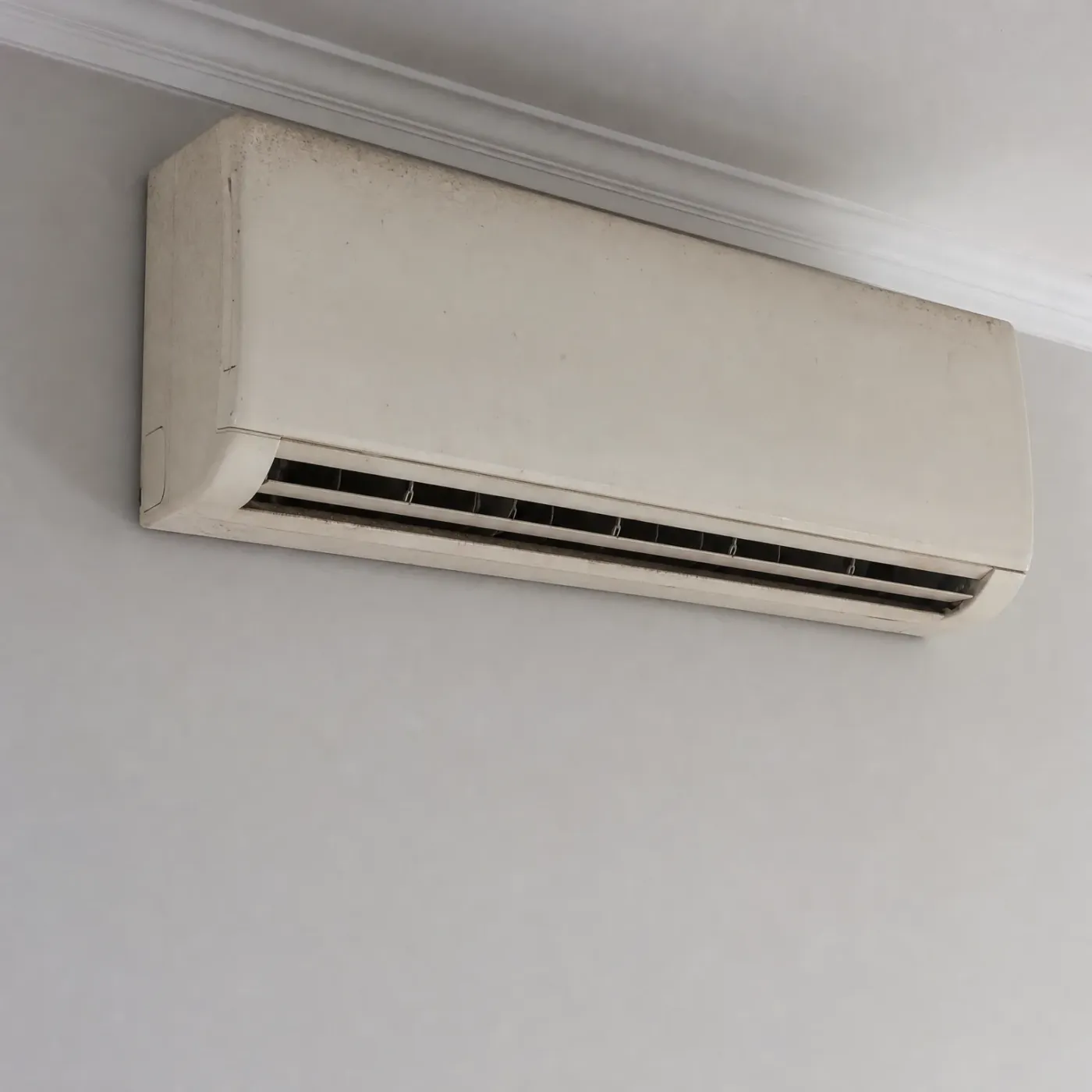
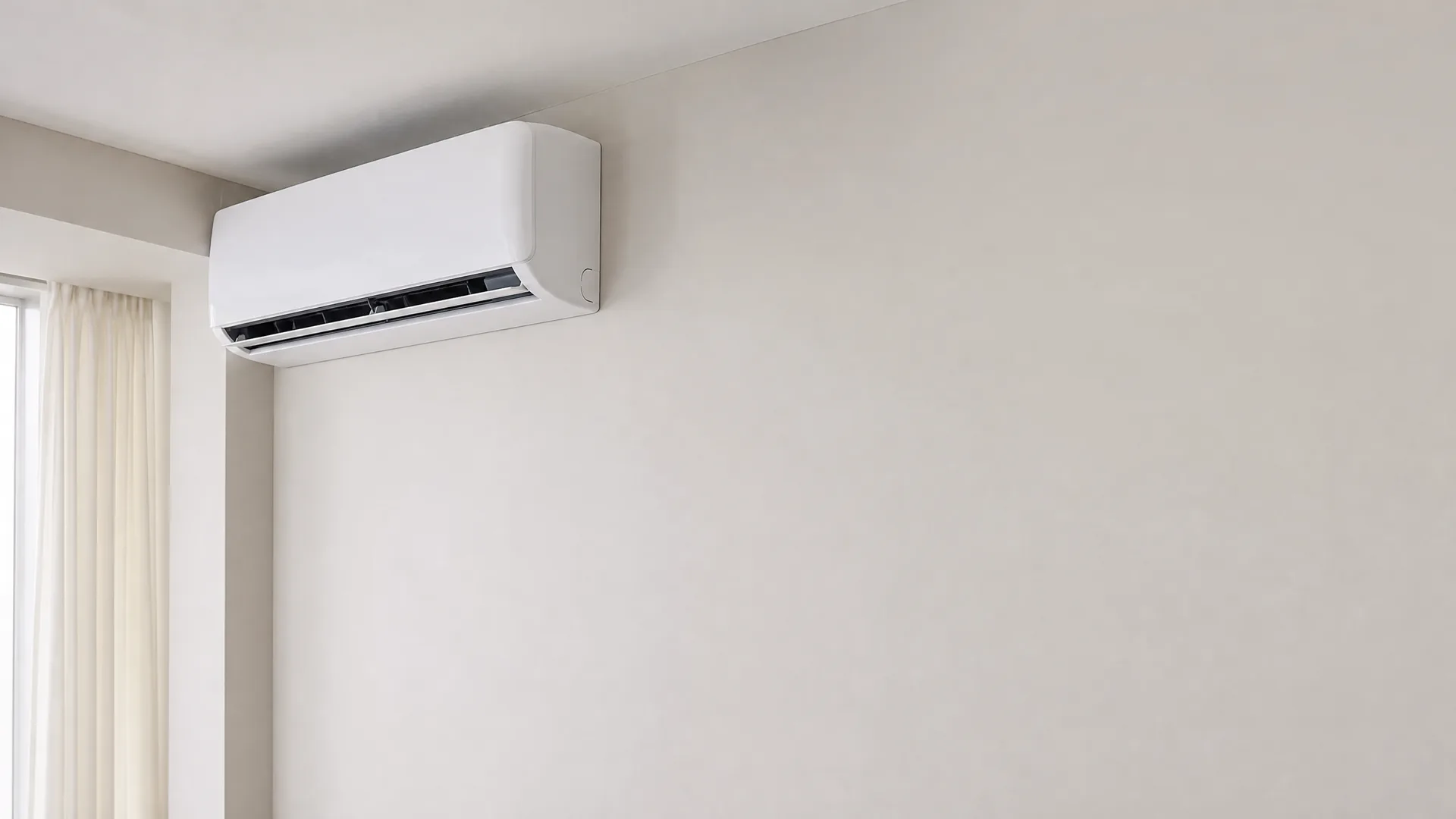
A wall-mounted mini-split air conditioner indoor unit with a dusty off-white casing and dark lower vent, installed high on a plain light-colored wall below a ceiling molding.

Clogged and coasting

Dust like this on the casing means dust inside it too, over the coil and the filter. The unit runs longer to push out the same heat, and on the coldest nights it may lean on backup strips instead. That's the bill creeping past what the sizing promised.

Heat Strips vs Mini Split

Heat strips

  • Electric resistance heat strips pull a lot of current to make heat directly, with no transfer from outside air.
  • They don't slow down in the cold the way a mini split's outdoor unit can, so output stays steady even on the hardest freeze nights.
  • Most furnaces or air handlers with strips are sized to cover the whole house from one or two central returns.
  • Because they make heat instead of moving it, every kilowatt in becomes a kilowatt of warmth, no more.
  • They're usually the backup already wired into a system, so there's no install decision to make, they just run when called on.

Mini split

  • A mini split moves heat from outside air into the house instead of generating it, so it can put out more heat than the electricity it uses.
  • On a mild Tennessee morning in the 40s or 50s it's doing this efficiently, with the outdoor coil barely working to pull in warmth.
  • Below freezing the outdoor unit has to work harder to pull heat from colder air, so its advantage over strips narrows.
  • It heats the room or zone it's in, so a single head won't cover the whole house the way a central system does.
  • Sizing it to the room matters, an oversized or undersized head won't hold temperature evenly and the savings show up differently.
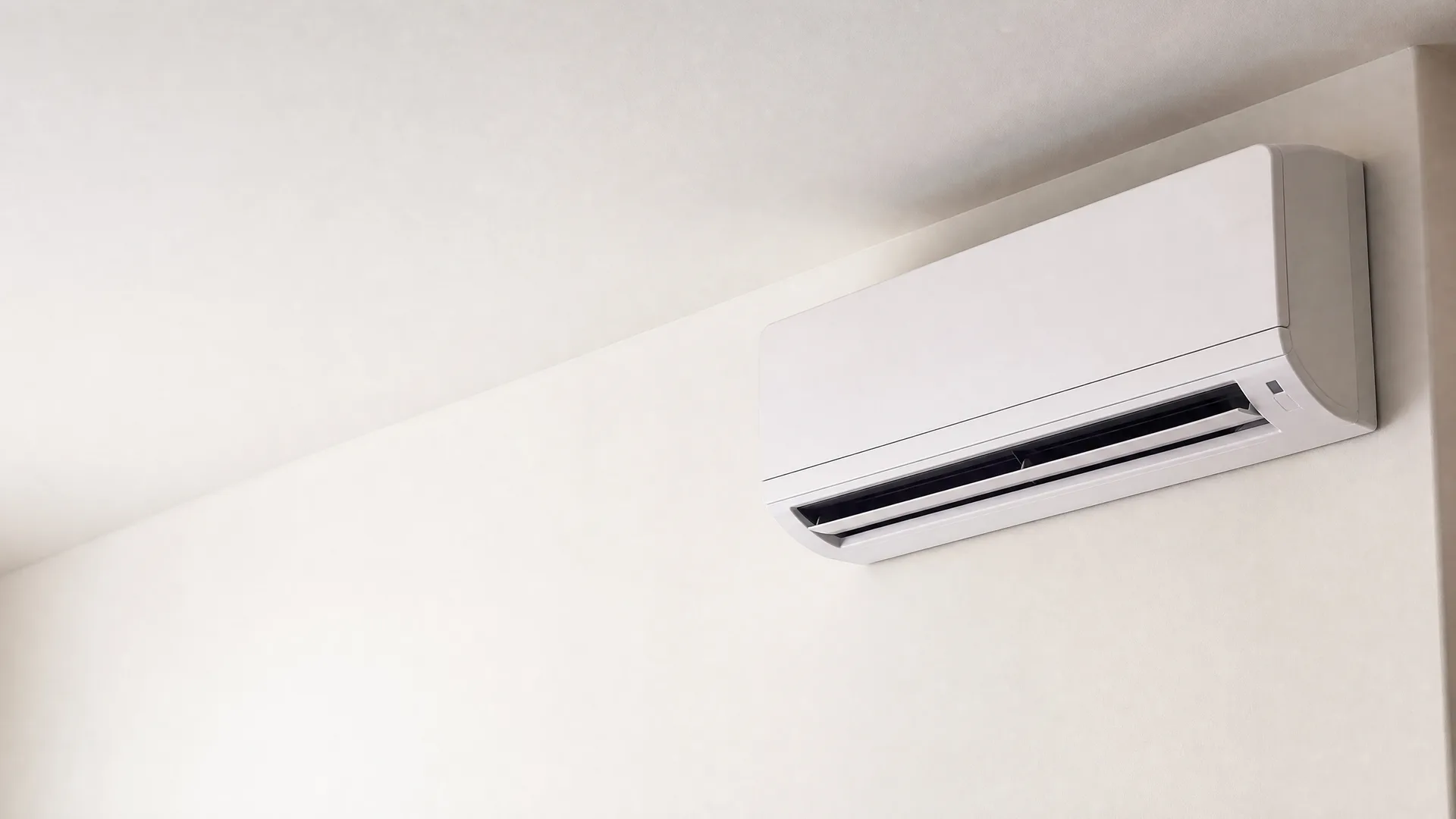
A white wall-mounted mini-split air conditioner near the ceiling of a room with plain beige walls and a pale curtain at the left edge.

The coefficient of performance gap

A heat strip turns one unit of electricity into one unit of heat. A mini split moves heat instead of making it, so it can deliver two or three units of heat for that same one unit of electricity. That ratio is what makes it cheaper to run than the strips most Tennessee furnaces fall back on when the blower can't keep up. The ratio drops as the outdoor air gets colder, which is why the savings show up most on the mild days and shrink on the coldest nights.

A white wall-mounted mini-split air conditioner indoor unit installed near the ceiling on a plain off-white interior wall.

Where sizing changes the math

A mini split sized too big for the room will short cycle, switching on and off instead of running steady. Each restart draws more power than holding a low, even output, so an oversized unit can cost more to run than a correctly sized one even though it's the same machine. A contractor who installs these in Tennessee homes regularly checks the room's heat loss against the unit's rated output before setting the size, rather than matching it to the room it's replacing.

A smiling man in a denim shirt and white t-shirt stands in an open dark doorway of a stucco house, facing a woman with long brown hair and a green jacket seen from behind in the foreground.

What you'd actually see on your bill

If your mini split is replacing heat strips, you'd notice it first on a January bill after a cold snap. Heat strips spike hard when the temperature drops, because they work harder for the same heat. A mini split's outdoor unit still has to work harder too, but not at that same rate, so the spike is smaller. If your house still has a furnace running alongside the mini split, check which rooms it actually heats. A mini split set up to cover one or two rooms won't touch the bill for the rest of the house, no matter how efficient it is.

Where you live in Tennessee and how your house holds heat both matter here, and neither one is something a page can tell you from the outside. A contractor who installs these year-round in your area can look at your current setup, your ductwork or lack of it, and your home's actual heat loss, and tell you what size unit and how many zones would cover what you're trying to heat. That's a different answer for a one-story ranch than a drafty two-story, and it's worth getting right before you spend money assuming it'll pay for itself.

A gray upholstered sofa with a matching cushion sits beside a potted plant and a wooden table holding a small green plant in a stone pot, near a curtained window.
A white wall-mounted mini-split air conditioner installed high on a beige interior wall near the ceiling, with a white-framed window at the left edge.

Running clear

A clean mini split pulls air through an open filter and a coil you can still see the fins on. It reaches the temperature you set and holds it there without working harder than it has to. That's what keeps the draw on your power bill down.

A dusty, stained wall-mounted mini-split air conditioner indoor unit near the ceiling on a plain beige wall, with visible lint buildup at its intake grille.

Running dirty

Dust and grime built up on the casing mean the same buildup is on the filter and coil behind it. The unit has to run longer to move the same amount of heat through a clogged coil. That extra runtime shows up on your bill whether it's heating or cooling.

Power costs 13.22 cents per kilowatt-hour statewide

At 13.22 cents a kilowatt-hour, every unit of heat your mini split moves instead of makes is worth less here than in a state paying double that. The savings are still real against heat strips, just smaller in dollars than the same swap would show on a higher bill elsewhere.

EIA-861 2025 statewide residential average

If your mini split is backing up a furnace, it only has to beat the cost of burning gas or oil, and either one costs more right now than the electricity a mini split uses to move the same heat.

If it's backing up heat strips, it's beating electricity with electricity. The strips already run on the same cheap power the mini split does, so the gap between them is smaller and comes down to how the mini split is sized and kept up.

A woman wrapped in a thick beige fleece blanket sits on a sofa with an open book on her lap, beside a lit table lamp, with a frost-covered window behind her.
A gray-haired woman in a cream knit sweater stands in a dimly lit kitchen at night, looking to her right, with a round loaf of bread in the foreground and a dark window and potted plant behind her.

The right pro for this job

Your request stays with one local pro.

Sending the form costs nothing.

  1. The outdoor unit pulls heat energy out of cold outside air.

  2. Refrigerant inside the coil absorbs that heat and turns to gas.

  3. The compressor squeezes the gas, raising its temperature further.

  4. The indoor head releases that heat into the room air.

Why does a mini split struggle more on really cold Tennessee nights?

A hard freeze in Tennessee is rare, but it happens most winters, and that's usually the night someone checks the thermostat twice because the room feels cooler than it should. If the mini split is working harder and the house still feels off, it helps to know what's actually going on outside at the condenser.

There's less heat in the air for it to pull out

A mini split works by pulling heat out of the outside air, even cold air, and moving it inside. The colder that air gets, the less heat is in it to grab, so the outdoor unit has to run longer and work harder to move the same amount into the house. Below a certain point, most units add backup resistance heat just to keep up, which is the one stretch where a mini split draws power closer to what a heat strip does. In Tennessee this only shows up on the coldest nights of the year, not the whole winter, since most nights here don't come close to that limit.

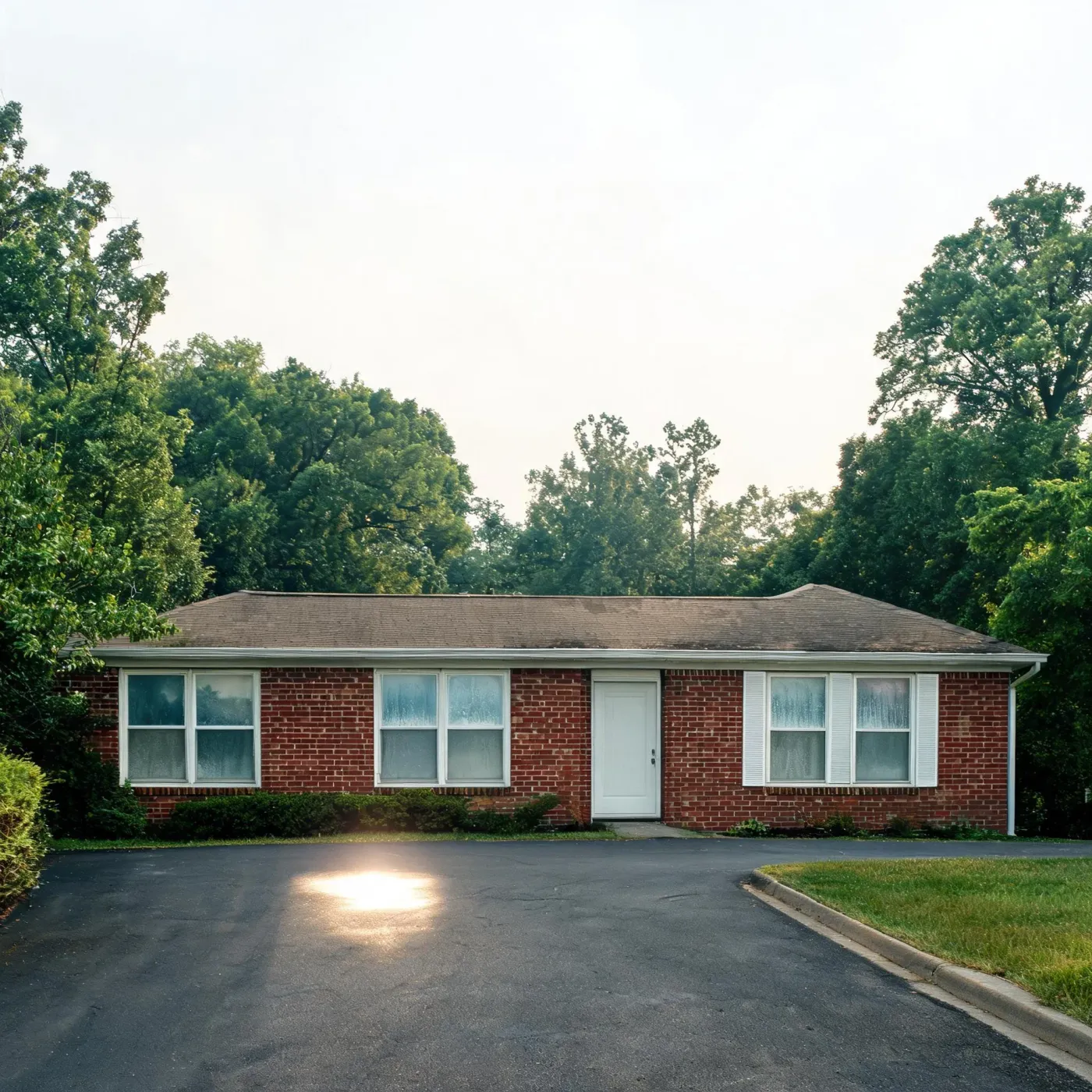
A single-story red brick ranch house with a white door, white-trimmed windows and a shingled hip roof, fronted by a wide asphalt driveway with sunlight glare, surrounded by green deciduous trees under a pale sky.

Summer here isn't just hot, it's heavy. Averaged across the places people live in Tennessee, the dew point runs 66°F through June, July and August, per NOAA. Air that thick makes your mini split pull double duty, wringing moisture out while it cools. That's harder work than dropping dry air a few degrees, and it's a different load than the one it carries all winter moving heat instead of making it. If the indoor coil or the condensate line isn't clear, you'll feel it as a room that's cool but still clammy, not the dry cold you're after.

NASA POWER T2MDEW county cells weighted by homes

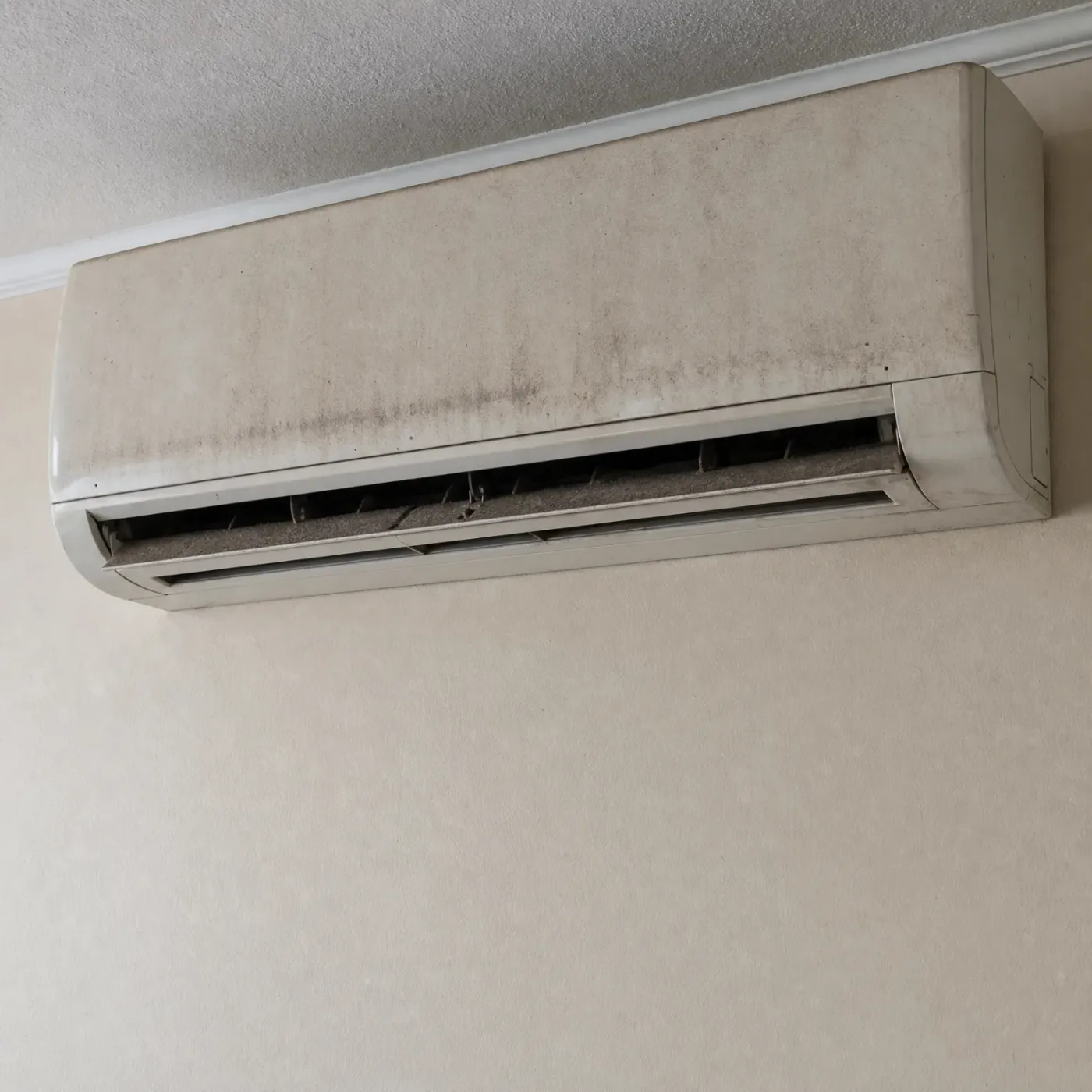
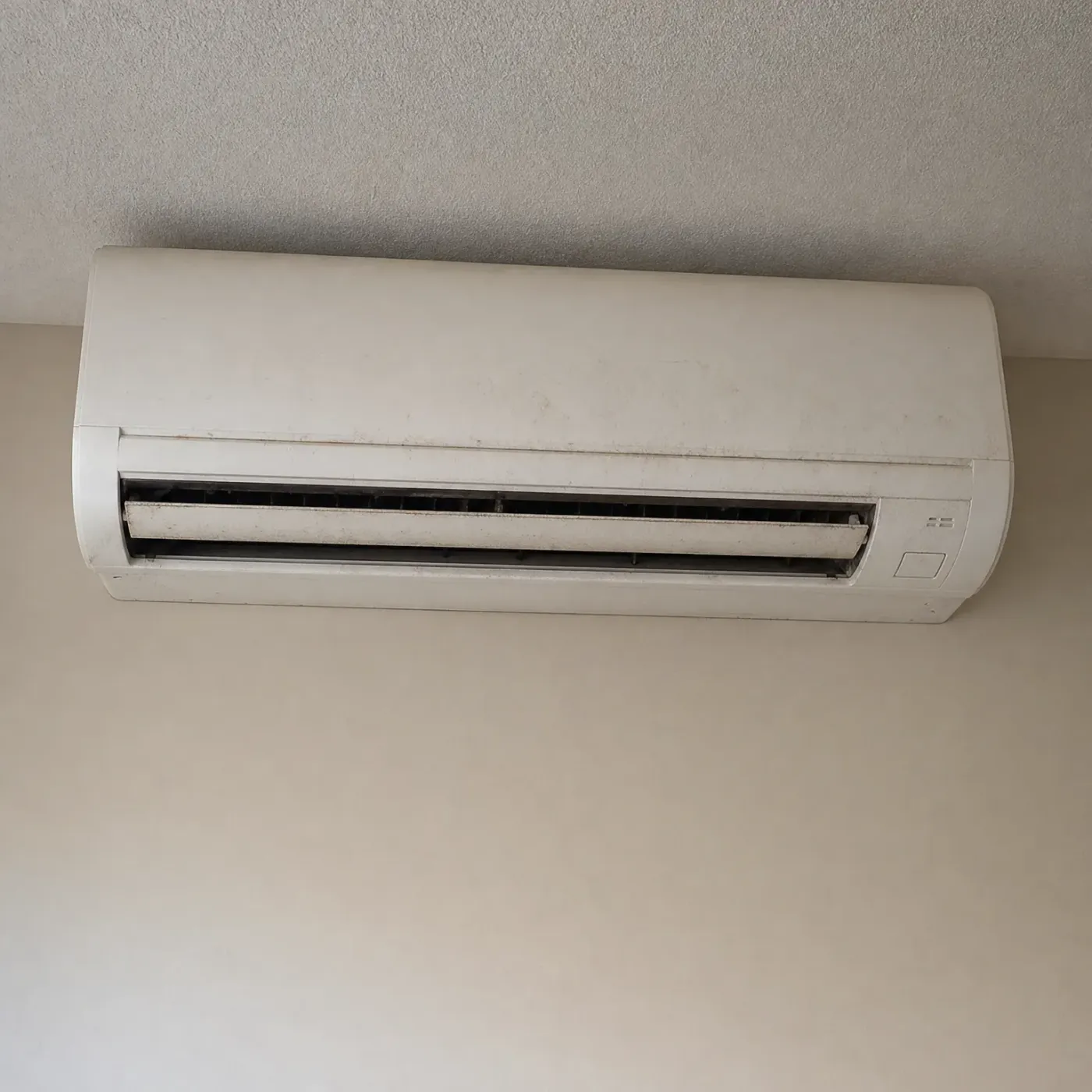
A white wall-mounted mini-split air conditioner indoor unit installed near a textured ceiling on a plain beige wall, with visible dust and discoloration on its casing and vent.
Before you get your mini split installation
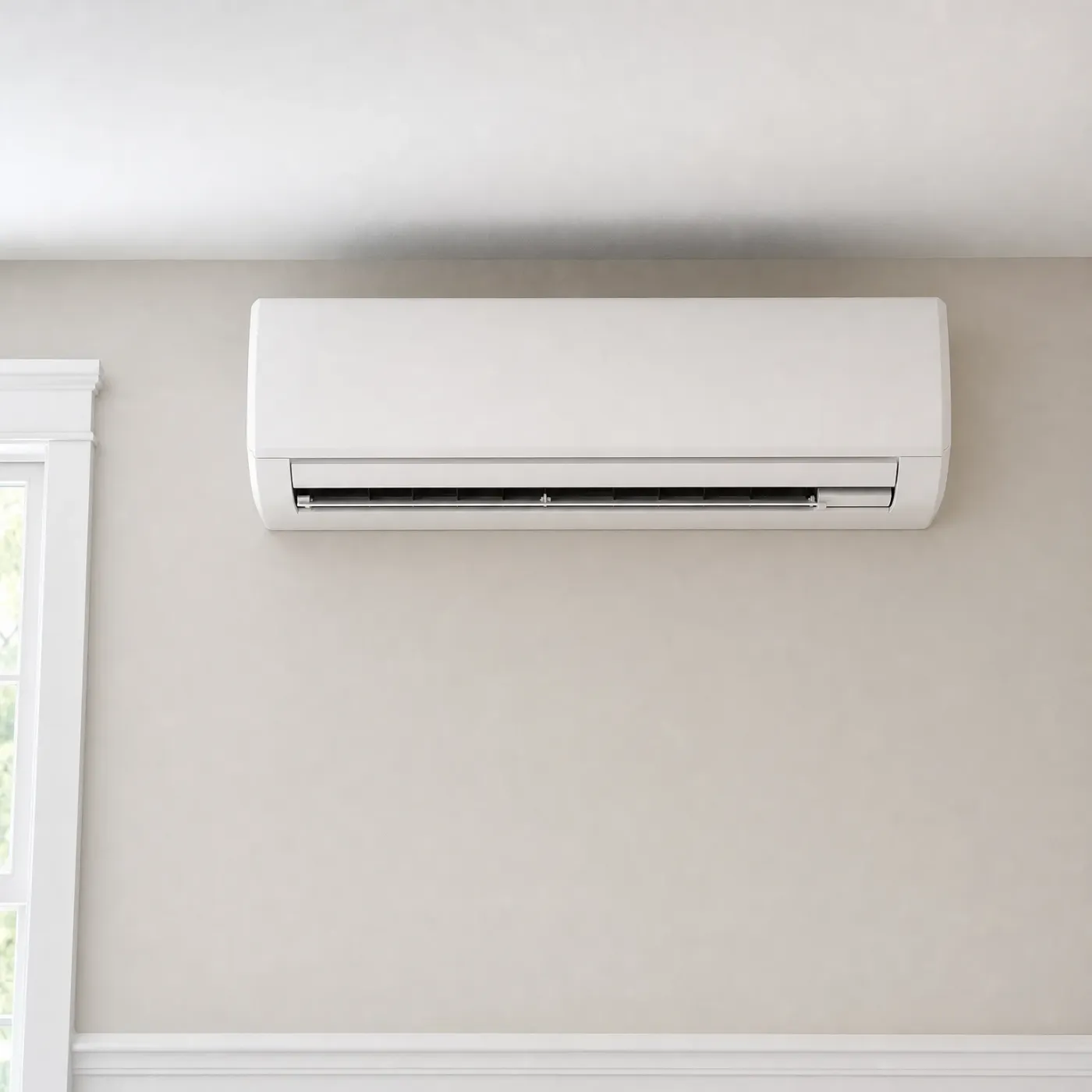
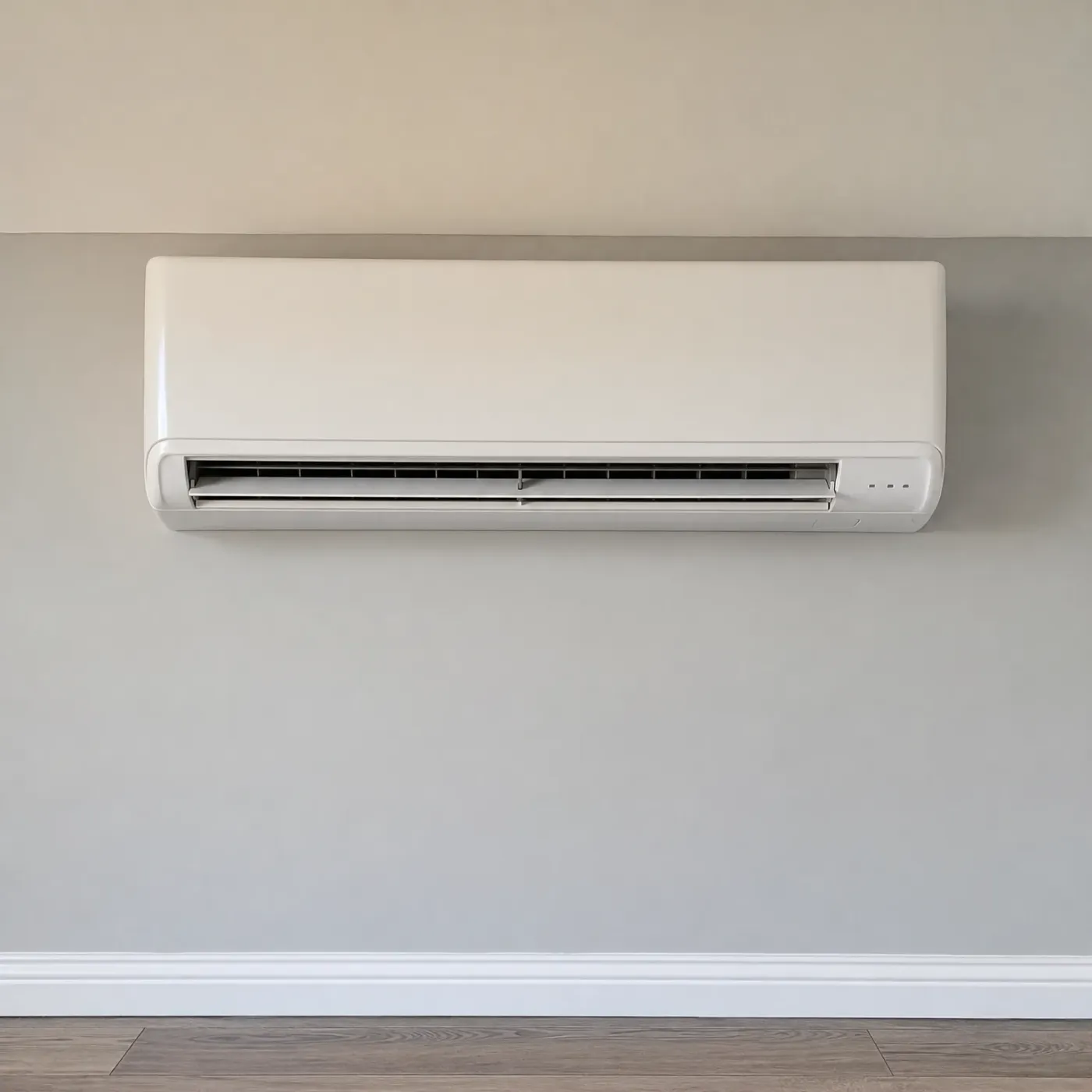
A white wall-mounted mini-split air conditioner indoor unit on a light gray wall above a white baseboard and wood-look floor.
After you get your mini split installation

Where that leaves you

  • A mini split lowers your heating bill if it's replacing heat strips, since it moves two or three units of heat for every unit it uses.
  • Against a furnace, the gap is smaller because gas and oil already cost more than the electricity a mini split draws.
  • Tennessee's cheap power narrows the dollar savings compared to states paying double the rate per kilowatt-hour.
  • A unit sized and installed right holds its output in a hard freeze instead of straining to keep up.
  • The clearest sign of savings shows up on the January bill after a cold snap, especially if heat strips used to carry that load.

So yes, a mini split lowers your heating bill, but what it's replacing decides by how much. Swap out heat strips and you'll feel it, because a mini split moves heat instead of making it from scratch, and that difference shows up every time the outdoor unit kicks on. Swap out a furnace and the math is closer, since gas and oil already run more than the electricity a mini split draws to move the same heat. Tennessee complicates the picture in a way other states don't deal with. Power here runs 13.22 cents a kilowatt-hour, and most homes already heat with electricity, so you're not escaping an expensive fuel the way someone in a propane-heavy state would. The savings are real, just smaller in dollars than they'd look on a higher electric rate. Sizing and installation decide whether you actually get that performance. A unit that's sized right for your home keeps delivering heat on a hard freeze night instead of falling back on backup strips, which is when the bill spikes. One that's undersized or poorly placed struggles exactly when you need it most, and you end up paying for backup heat anyway. If you want to know what that looks like on your own bill, the answer is in how your current system heats, what it costs you now, and whether a mini split sized for your house can beat that. That's a conversation worth having with someone who installs these for a living in Tennessee homes.

A gray-haired, bearded man in a dark coat dusted with snow stands smiling in a dimly lit room with a lamp, mirror, framed art, and a sofa in the background.
An older man with white hair and a beard, wearing a dark snow-dusted coat and scarf, stands in a warmly lit interior hallway with a framed landscape picture, a table lamp and a potted plant behind him, and a snowy view through a window at left.
An older man in a dark snow-flecked overcoat and scarf stands smiling in a warmly lit home entryway, with a glass-paned door showing darkness outside and a lamp-lit room visible through a doorway behind him.
An older man with gray hair and a beard, wearing a dark snow-dusted jacket and scarf, stands smiling in a warmly lit interior hallway with a lit table lamp, a vase of dried branches, and a framed picture in the background.

Mini Split Installation

Matched to your mini split job

Your request goes to one pro, not a list of companies.

A black-framed smartphone standing upright against a plain light gray background, its screen filled with solid green.
Step 1 of 3: Equipment