Keeping up with the cold
On a normal cold night, the outdoor unit is pulling in air and the indoor head is pushing out warm air without much fuss. If yours is running like this through the 30s and 20s, it's doing what it was built to do.
 Get matched
Say what's going on with your mini split, and a pro who works on them reaches out.
Most mini splits hold up fine down into the 30s. Below that, older units start losing heat output right when you need it most, and some stop defrosting the way they should once it drops into the teens or lower. Tennessee winters swing hard, and a cold snap can turn a unit that's been fine all December into one that's running constantly and still not keeping up.
If your mini split is struggling on the coldest nights, that's worth paying attention to. A unit sized or installed for mild days in Memphis or Knoxville won't necessarily carry a hard freeze in the mountains or a sudden arctic blast anywhere in the state. The right system for your house depends on your home, not just the brand on the outdoor unit.
Since most homes here heat with electricity anyway, a mini split that's actually matched to your winters can run those cold months without the strain. Power is cheap in Tennessee, but a system fighting the cold all night still costs more to run than one built for it.
This isn't something you have to work out on your own. Once you answer a few questions about your home and what your mini split is doing, a licensed contractor who installs these systems in your area gets the details and reaches out to you directly. You won't be the one tracking down who's available or who knows the equipment. That part is handled.
What happens after that call, how soon the work gets scheduled, what it involves, is between you and the contractor. But getting to that first conversation, the part that usually takes the most time, is done as soon as you send the form.
You've got a mini split and you're wondering if a hard freeze is going to leave you without heat. Tennessee winters don't stay in one place. You can get a mild stretch in the 40s and then a week where it barely clears 20. If you're counting on that unit to carry the house, you want to know where it starts to struggle before you're stuck finding out the hard way.
A mini split pulls heat from the outside air, and the colder that air gets, the less heat there is to pull. Once temperatures drop into the teens or lower, output falls off and the unit has to run longer to keep up, and some models can't keep the house at temperature at all below that point. Newer cold-climate units are built to keep working well below zero, but a standard unit installed years ago wasn't designed for that. Tennessee doesn't sit at those temperatures for long, but a cold snap in January can push well below freezing for a few days at a time, and that's when a mini split that's struggling shows it.




A unit that struggles on a 15 degree night in Memphis isn't broken. Most mini splits built for this climate are rated to keep producing heat well below freezing, but there's a point where the outdoor coil can't pull enough warmth from the air, and the system leans on backup strips or just can't keep the house at temperature. If yours is older, or it was sized for a milder spot than where it's installed, that point comes sooner. Since most homes here already heat with electricity, and power is cheap, a mini split that's matched right to your house and your winters should be running efficiently, not fighting to keep up every time a front comes through. If the last cold snap left your place short, that's worth looking at before the next one hits. A contractor who knows how Tennessee cold actually behaves can tell you whether your system's undersized, aging, or just needs backup heat to kick in sooner.
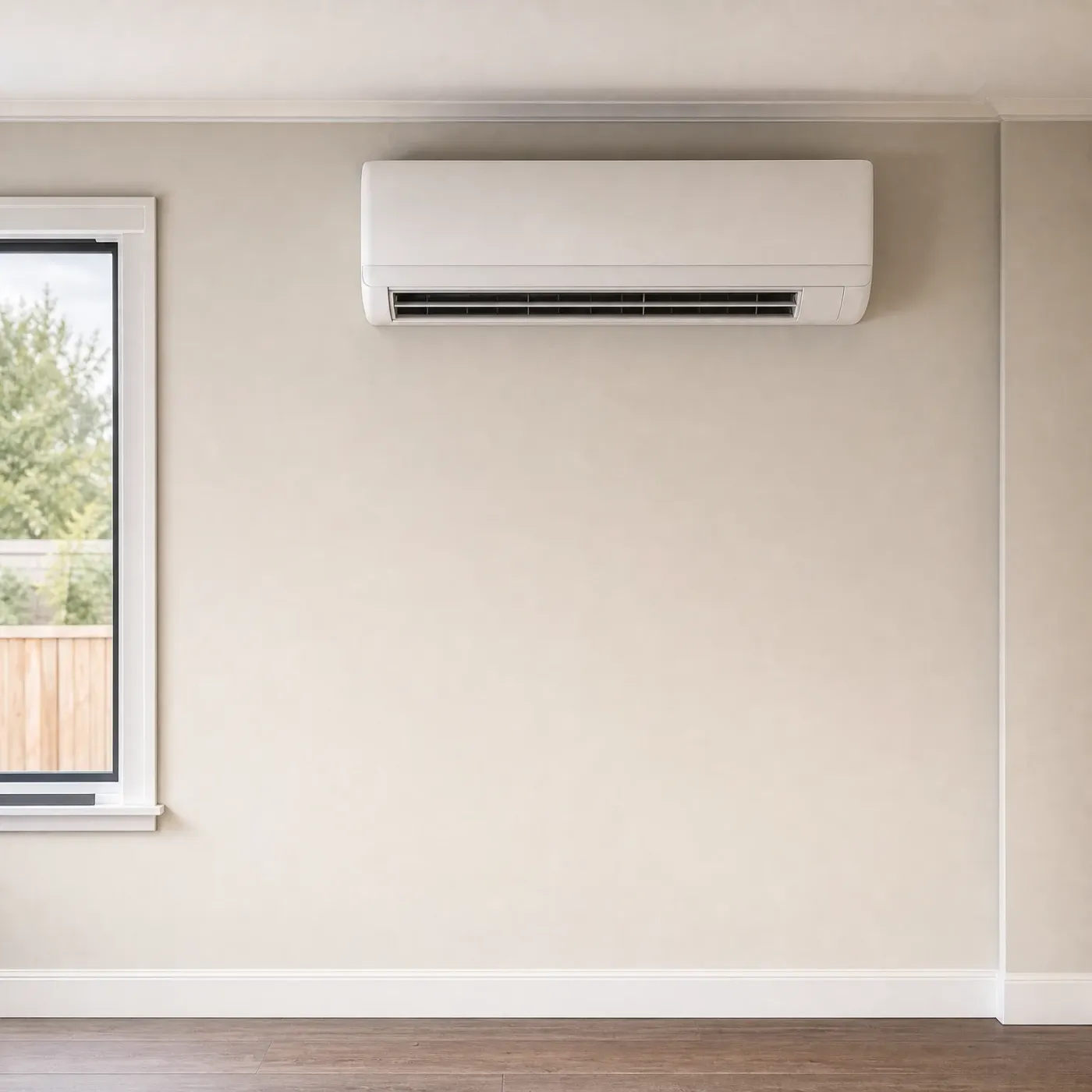
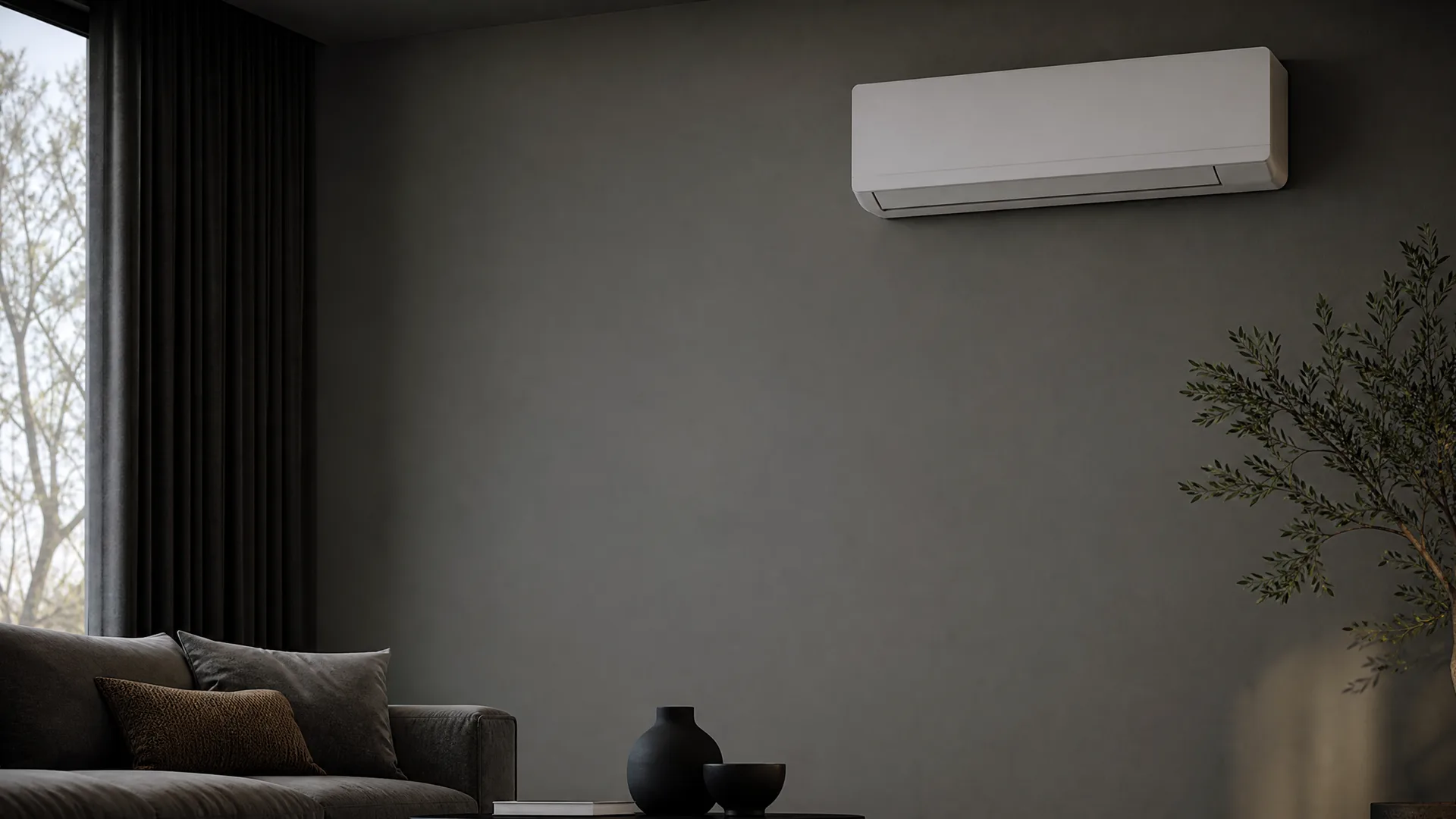
On a normal cold night, the outdoor unit is pulling in air and the indoor head is pushing out warm air without much fuss. If yours is running like this through the 30s and 20s, it's doing what it was built to do.
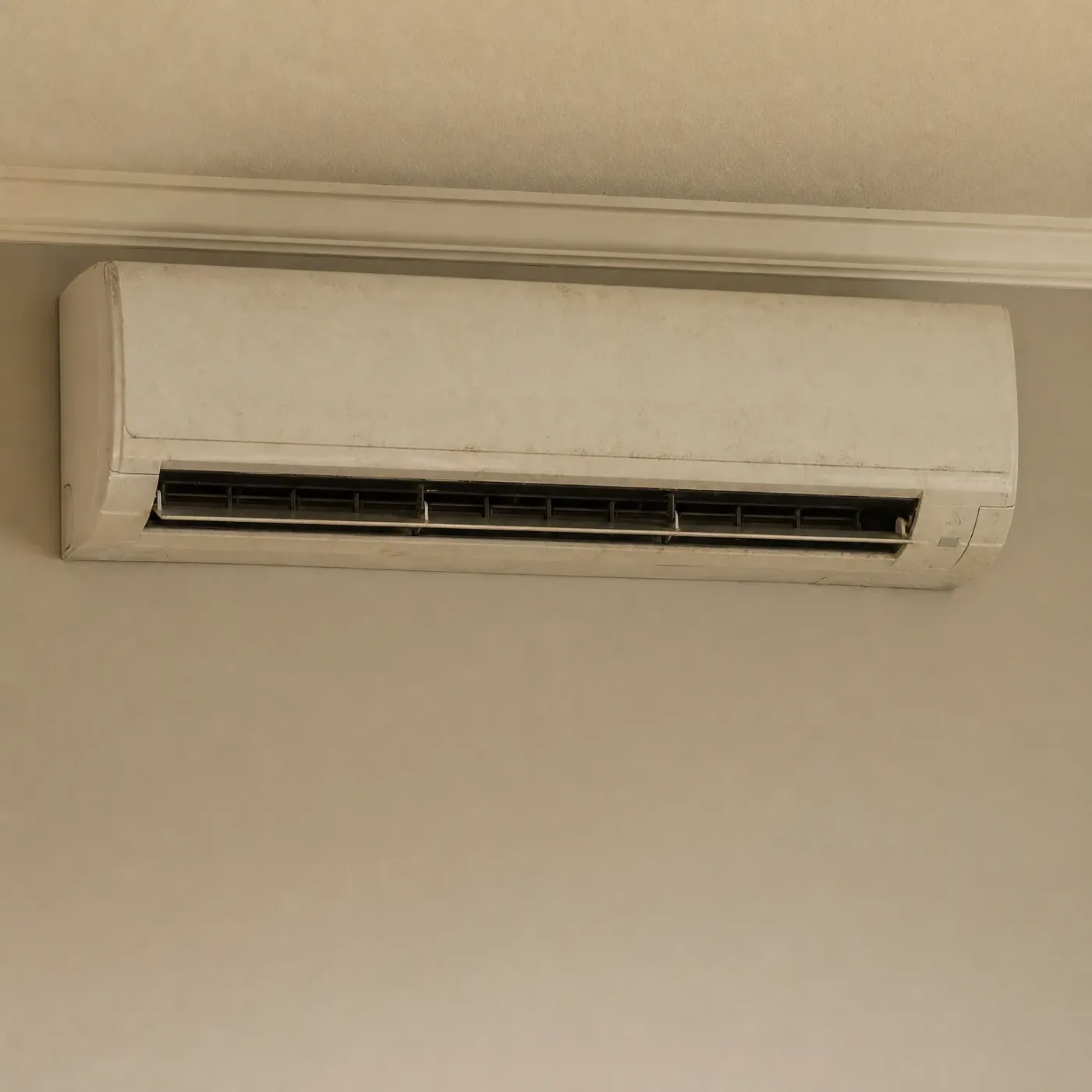
Dust built up on the coil and a casing that's seen years of use both work against the unit when the temperature drops. An older mini split in this shape is more likely to lose heat output on the coldest nights, right when you need it to keep up.
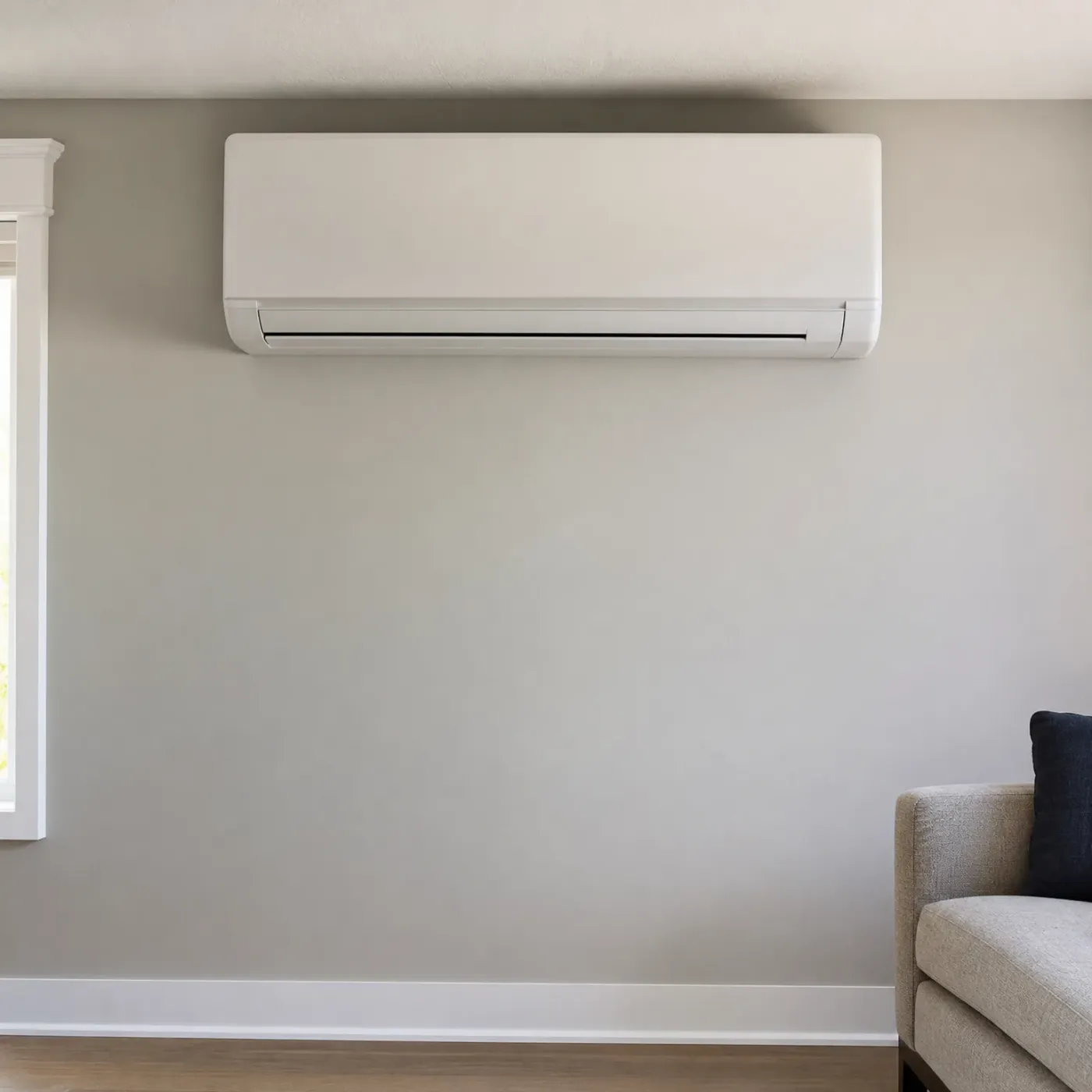
A mini split that's kept up looks like this. The vents are clear, the casing is clean, and the airflow out of the indoor head is steady and strong. Air moves through it the way it's supposed to, so the unit isn't working harder than it needs to just to keep a room warm.
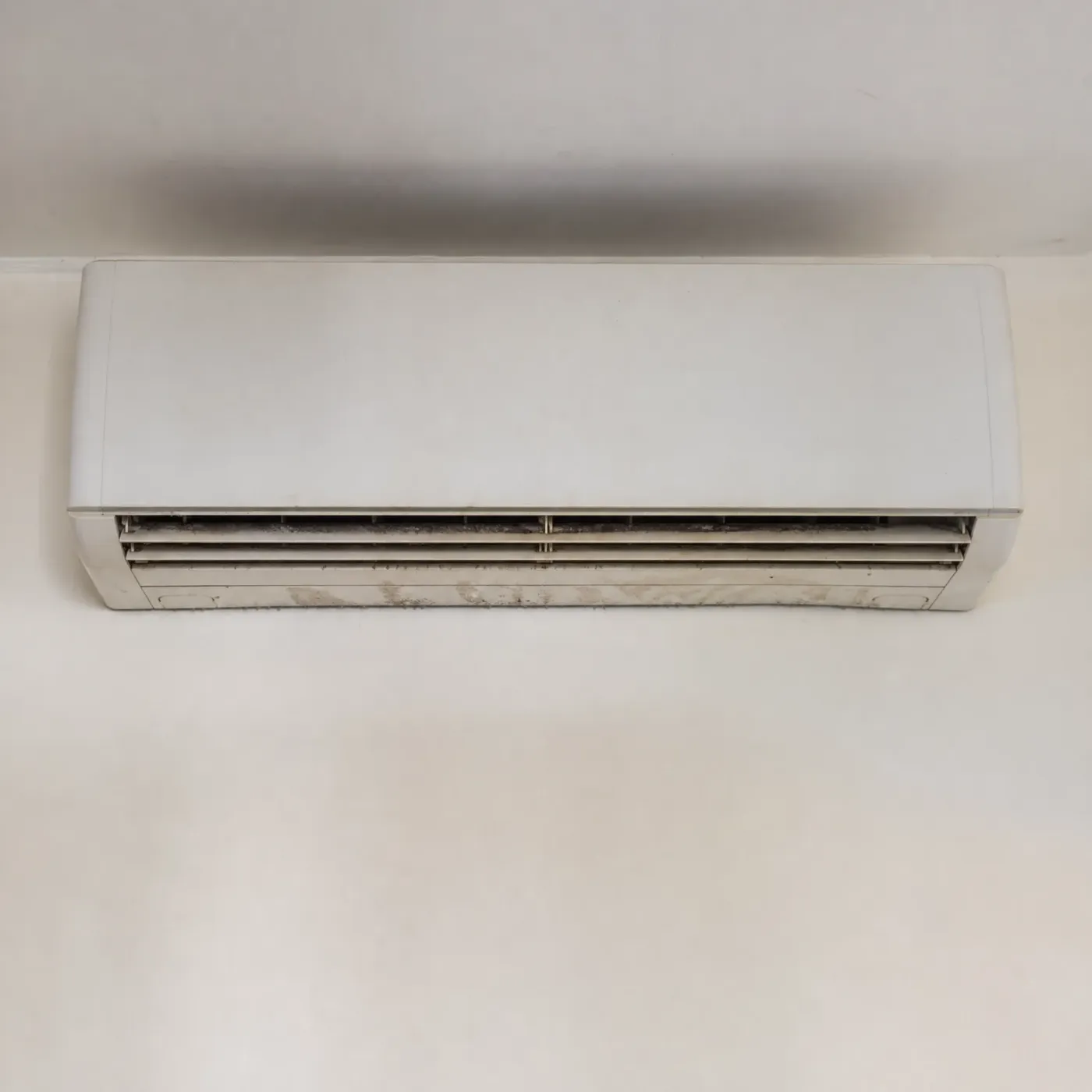
Dirt and mold along the vents and lower casing block airflow before it ever reaches the room. On a cold night in Tennessee, that's the unit you don't want. It's already working against the temperature outside, and now it's working against itself too.
Since most Tennessee homes heat with electricity, a mini split that struggles in the cold runs longer to make up the difference, and that shows up on your bill fast. At 13.22 cents a kilowatt-hour, a unit sized and installed right for your winters is worth more here than the sticker price suggests.
EIA-861 2025 statewide residential average
So the real answer is this: most mini splits handle a Tennessee winter fine, and the ones that struggle are usually older, undersized, or losing ground to ice on the outdoor coil before a hard freeze even hits. If yours is keeping up through the 20s and 30s, there's nothing to worry about. If it's falling behind on nights in the teens, or the indoor head is blowing cool air when it should be warm, that's a system that needs a look before the next cold snap catches you off guard. You don't have to figure out on your own whether it's the unit, the sizing, or how it was installed. Send the form and that question becomes someone else's job to answer, not yours. You get matched with a contractor who knows what Tennessee winters do to this equipment, and from there it's off your plate.
One request and the search for a pro is handled.