



Get Mini Split TN

Is a cold-climate mini split worth it in Tennessee

Step 1 of 3: Equipment

Is a cold-climate mini split worth it in Tennessee?

You have a mini split already, or you're looking at one, and you keep seeing the term "cold-climate" attached to certain models at a higher price. Tennessee winters aren't Minnesota winters, so it's fair to wonder if you'd be paying for cold-weather performance you'll never need. Most homes here already heat with electricity, so the comparison that matters is against what you'd otherwise run.

Yes, especially if it's heating your home through the winter

A standard mini split starts losing heating capacity once outdoor temperatures drop into the 30s and can struggle well below freezing. A cold-climate model keeps producing heat efficiently down into negative territory, which matters here because Tennessee winters do dip below freezing, especially overnight. Since most homes in the state already heat with electric resistance or an aging heat pump, a cold-climate unit gives you a more efficient electric option that keeps up on the coldest mornings instead of falling back on backup heat strips. Power here is cheap, but a system that struggles in cold weather still runs longer and harder to make up the difference. If the mini split is your main source of heat rather than a supplement, the cold-climate rating is what keeps it performing when you need it most.

A gray-haired man in a dark sweater sits on a light gray sofa in a living room, looking toward a sunlit window with trees outside.
A gray-haired man in a dark blue sweater sits on a light gray sofa in a sunlit living room, looking off to the side, with a potted plant, shelving unit, and large glass doors behind him.
A bearded man with graying hair in a dark green sweater sits on a sofa in a living room, looking off to the side, with a sliding glass door and a dim kitchen doorway behind him.
A gray-haired man in a dark knit sweater sits on a light gray sofa in a living room, looking toward a sunlit window, with houseplants, a lamp, and framed art in the background.

Why does your mini split struggle on the coldest mornings

You notice it when the temperature drops into the 20s overnight. The unit runs almost constantly, the air coming out feels cooler than usual, and the room never quite catches up to the number on the thermostat. Some units start icing over on the outdoor coil and go into a defrost cycle every so often, blowing cold air for a few minutes while it clears itself. If yours is a standard unit rather than a cold-climate one, this is it working at the edge of what it can do, not a sign it is broken. Left alone through a run of hard cold snaps, a unit that has to strain like that can mean higher electric bills than it should and, over the years, more wear on a compressor that is working harder than it was built to.

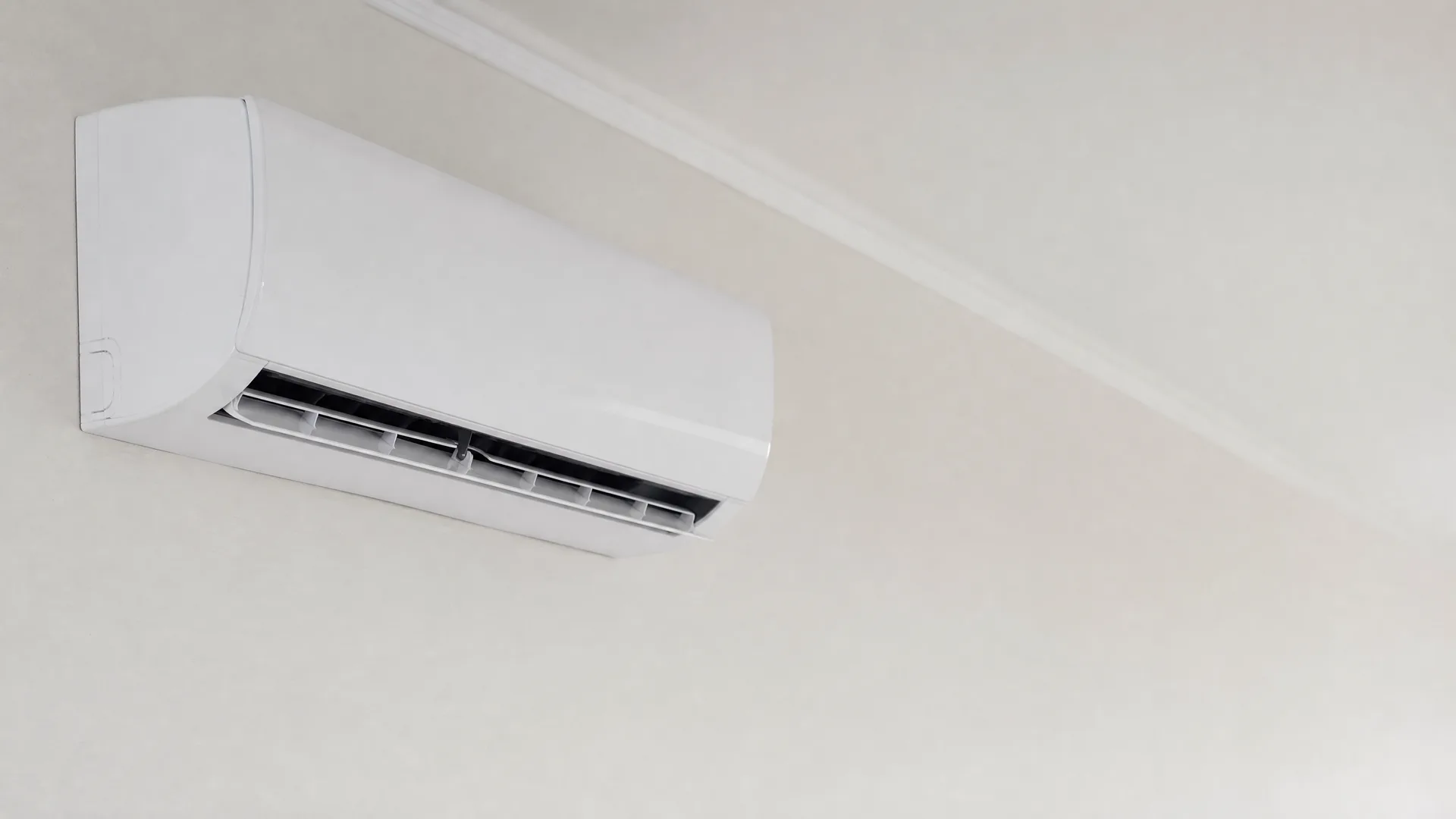
A white wall-mounted mini-split air conditioner indoor unit installed near the ceiling on a plain beige wall.

What changes inside the unit

A standard heat pump's compressor runs at one or two fixed speeds. Below a certain outdoor temperature, usually somewhere in the 20s to 30s, it can't pull enough heat from the outside air and the system leans on electric backup strips to make up the difference. A cold-climate model uses a variable-speed compressor that ramps up as it gets colder outside, pulling more refrigerant through the system to keep delivering heat instead of handing the job off to resistance strips.

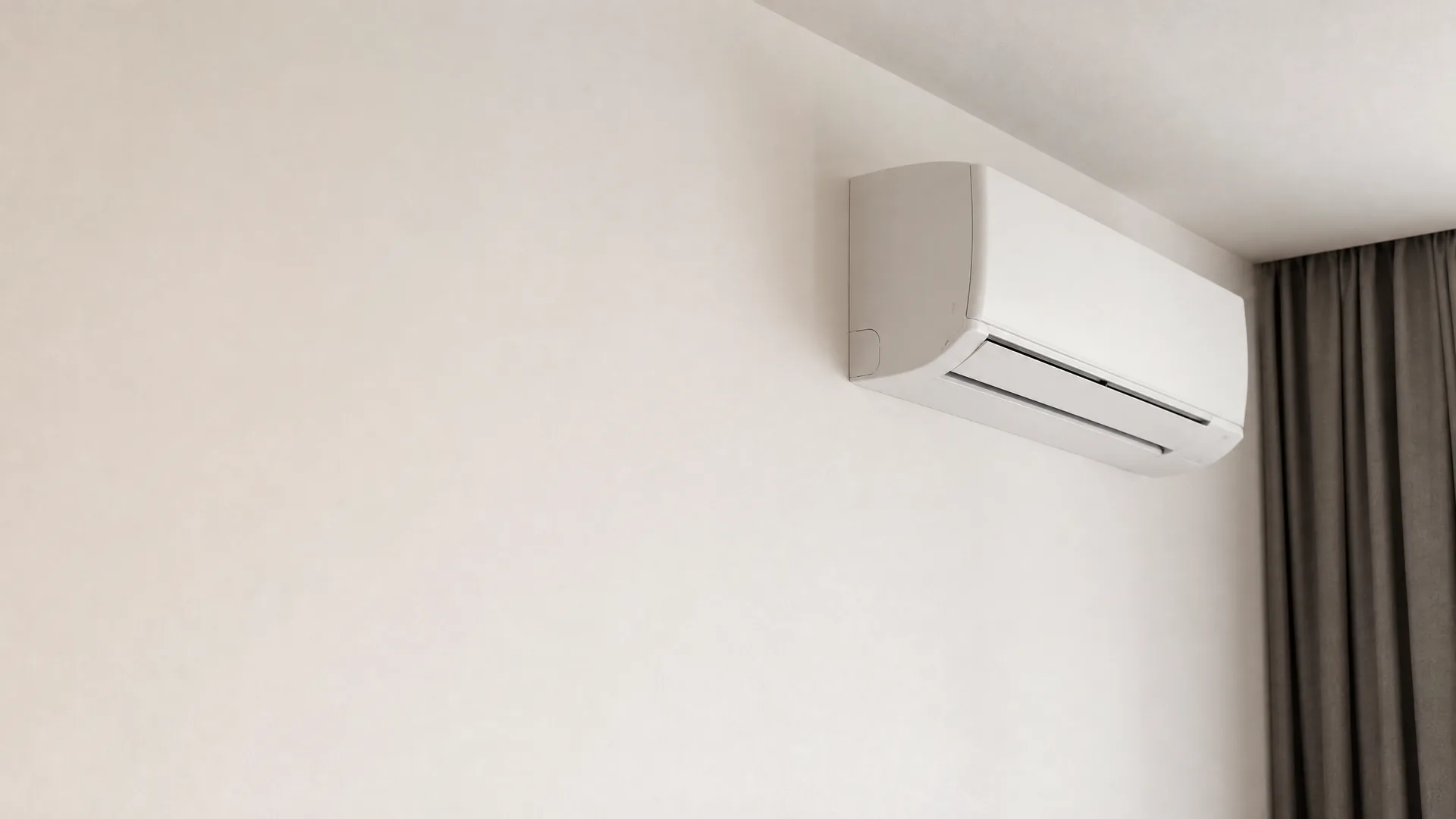
A white wall-mounted mini-split air conditioner on a plain off-white interior wall, with a gray curtain at the right edge.

Where the electric bill shows it

Electric strip heat is closer to a space heater than a heat pump. It warms the air by resistance, drawing full power for every bit of heat produced, with none of the multiplying effect a compressor gets from moving heat rather than making it. A cold-climate unit keeps the compressor working on cold mornings instead of switching to strips, which matters most on the handful of nights each winter when Tennessee actually drops into the 20s.

Power costs 13.22 cents per kilowatt-hour statewide

At 13.22 cents a kilowatt-hour, you're paying below the national average, which matters because most homes here heat with electricity. A cold-climate mini split keeps pulling heat from the outside air instead of leaning on electric strip heat, so on a cheap-power grid like this one, that difference shows up directly on your bill.

EIA-861 2025 statewide residential average

Sticking with a standard unit

A standard mini split still heats your home on most Tennessee mornings without trouble. It costs less upfront, and if your winters rarely dip into the teens, you may never see it lean hard on backup heat. The tradeoff shows up on the coldest nights, when the compressor can't keep pace and electric strip heat kicks in to cover the gap. That backup heat draws a lot more power than the compressor does, so a handful of cold snaps a year can show up on your bill even with cheap electricity.


Paying more for cold-climate

A cold-climate model costs more to install, and that's the real tradeoff. What you get for it is a compressor built to keep pulling heat from outside air well below freezing, so it leans less on electric backup heat on the mornings that give a standard unit trouble. If you heat with electricity already, that matters more here than it would somewhere with gas furnaces as the fallback. Whether the difference is worth paying for comes down to how cold your winters actually run and how long you plan to keep the system.

A middle-aged woman with shoulder-length dark hair, wearing a gray cardigan over a cream top, sits in an upholstered armchair and looks toward a sunlit window, with a shelf holding framed pictures and a plant behind her.
A woman and a child wrapped together in a knitted gray blanket on a couch, with the child's head resting on her shoulder and a lit table lamp and houseplant in the background.
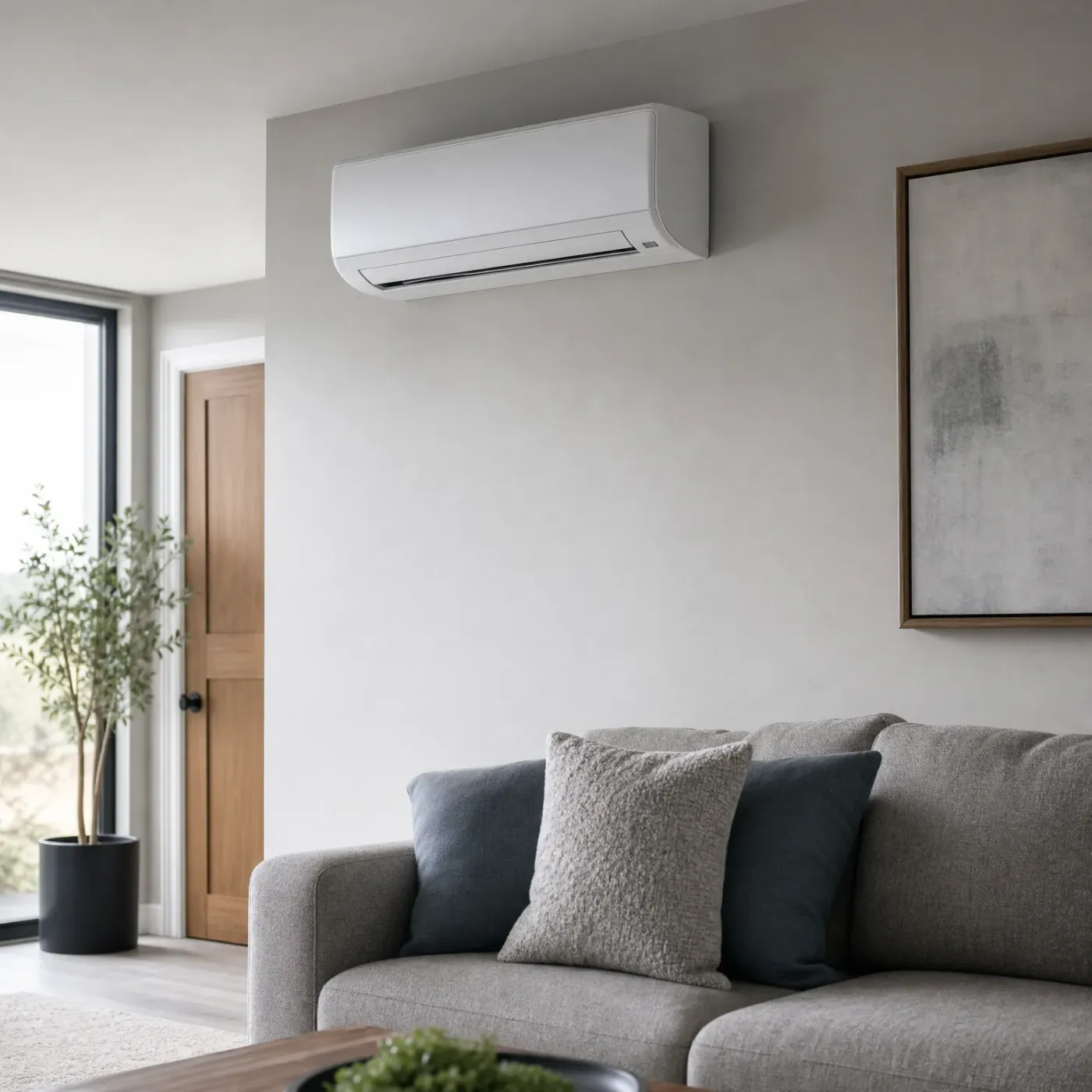
A white wall-mounted mini-split air conditioner on a light gray wall above a gray sofa with cushions, with a framed abstract artwork at right, a wooden door and potted plant at left.

Skip the search

One installer gets your project, so there's no bidding war over it.

Describe the project once instead of to every installer.

Find a licensed pro

Asking costs nothing, and the choice to hire stays yours.

A wooden table in the foreground holds a closed laptop and a ceramic mug of coffee, with a spindle-back wooden chair behind it, a beige wall with paneled wainscoting, a window at left, and a kitchen counter with a cutting board, bowl of fruit and greenery at right.

What a cold-climate compressor is actually doing differently

A cold-climate mini split uses a variable-speed compressor built around an enhanced vapor injection cycle. A second port in the compressor lets refrigerant re-enter partway through compression, so the unit can pull heat out of outdoor air that's close to freezing without stalling. A standard compressor has no second port and no way to ramp past its fixed speeds, so it just runs flat out and calls on strip heat sooner. That's the actual mechanical difference buried under the marketing term, not a bigger fan or a thicker coil.

Sizing and installing one of these right means matching the compressor's output curve to your home's heat loss at your coldest design temperature, not just its square footage on a sales sheet. Get that wrong and you've paid for cold-climate performance you'll never use. Finding someone in Tennessee who installs these regularly, rather than mostly standard units, usually means calling around and asking each company what they actually have experience with before you even get to a quote.

A dark ceramic mug on a round wooden table beside a light grey sofa with a woven cushion and knit throw, with a window, potted plant, floor lamp and wooden cabinet blurred in the background.
  1. Outdoor air crosses the coil and gives up its heat to refrigerant.

  2. The compressor pulls that refrigerant in and starts raising its pressure.

  3. Partway through compression, the vapor injection port adds a second dose of refrigerant.

  4. That added refrigerant lets the compressor push out hotter gas without overworking.

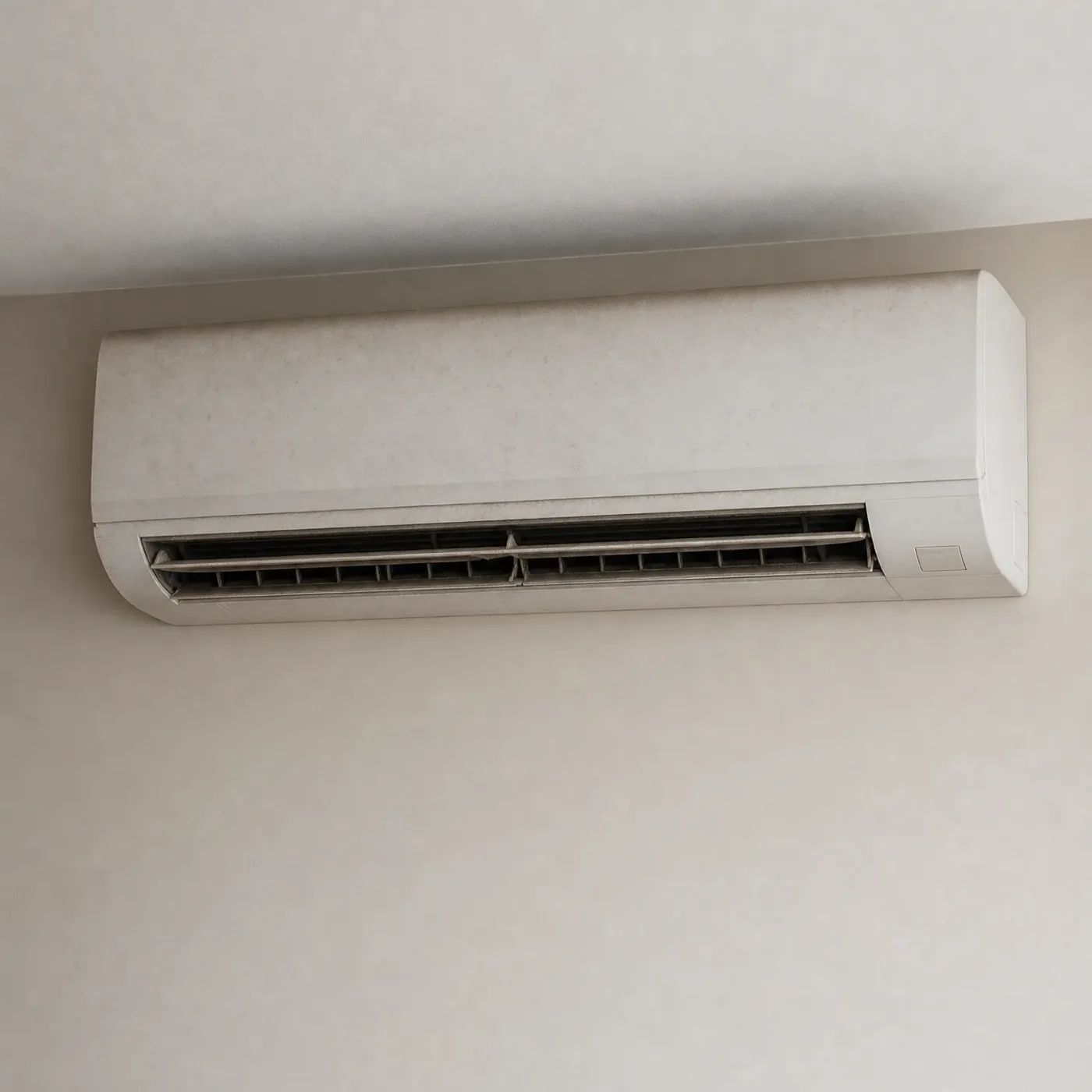
A white wall-mounted mini-split air conditioner indoor unit installed near the ceiling on a plain light-colored wall, with its horizontal outlet vent and louvers visible.
Before you get your mini split installation
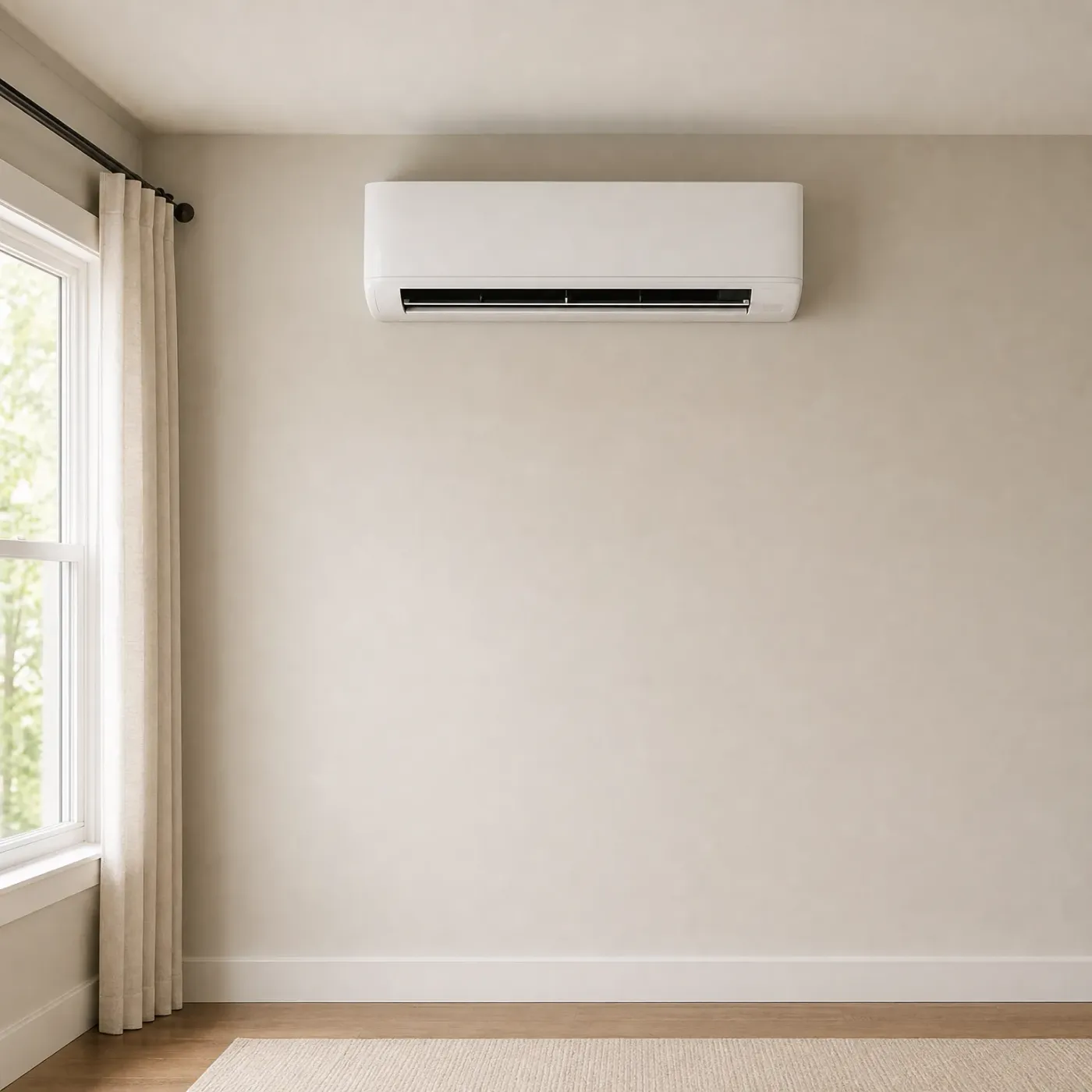
A white wall-mounted mini-split air conditioner on a beige interior wall, with a curtained window on the left and wood flooring with a light rug below.
After you get your mini split installation

Before you get your mini split installation

You're still weighing cold-climate against standard, checking specs, and calling around to find someone licensed who installs heat pumps correctly in your area.

Find a local pro

After you get your mini split installation

A local contractor who installs these year-round handles the sizing and the setup, so the unit performs the way it's supposed to on a cold Tennessee morning.

Find a local pro

A cold-climate mini split earns its keep in Tennessee on the mornings a standard unit falls back on strip heat, and with electricity priced the way it is here, that difference shows up on the bill every winter you own it. Whether that's worth the higher price up front depends on how low your winters actually run and how long you plan to stay in the house. What stays the same either way is the install. Sizing the unit to your home, setting the refrigerant charge, and running the line set correctly are what decide whether it performs the way it's supposed to, cold-climate or not. A local contractor who installs these year-round has seen which models hold up through a Tennessee winter and which parts tend to give out first, and you'll be working with that one contractor directly instead of fielding calls from several companies trying to win the job. You already know what your mornings look like. Now you know what's behind them, and what it takes to get it installed right.

Corner of a room with a white window at left, a white fireplace mantel with dark stone surround at right holding a weathered clay vase of leafy branches, and a cream upholstered sofa with a knit throw and tan pillow in the foreground.
A cushioned window seat with a brown lumbar pillow beside a white-framed window overlooking green trees, next to built-in cream cabinetry with shelves holding ceramic vessels and a wooden bowl.
An entryway with a dark wood console table holding a stone vase of olive branches and a shallow wooden bowl, a woven basket on the lower shelf, a framed landscape print on the wall, and a glass-paned wood door at left.
A wooden vanity cabinet with dark knobs and a beige stone countertop holding a round terracotta vase with leafy branches, beside a wood-framed mirror and a white sink.
Sunlit room corner with wide-plank oak flooring, white baseboard molding and beige walls, a window at left showing green trees, and a dark cabinet at right topped by a stone vase holding a leafy branch.

No quotes to chase

Your request goes to one pro, not a list of companies.

Get a licensed local pro

Sending the form costs nothing.