Where this leaves you
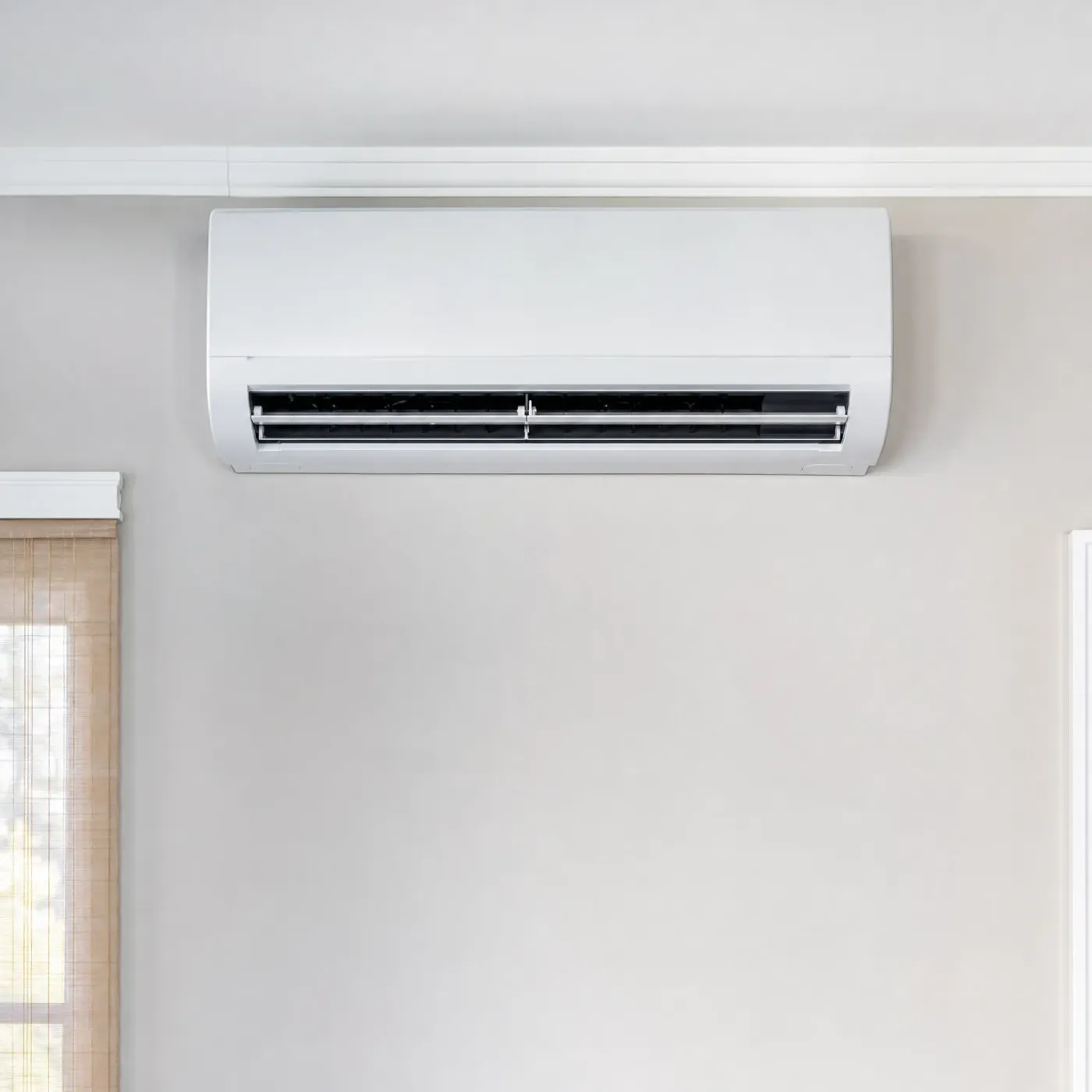
- A mini split costs less to run than baseboard because it moves heat instead of making it.
- Tennessee winters don't change that math, and cheap power here just means the gap shows up smaller on the bill, not that it disappears.
- A mini split sized wrong, or a baseboard setup left running alongside it, gives up most of that advantage.
- Getting there usually means calling a few contractors, explaining your setup each time, and sorting through quotes that size things differently.
- A contractor who's matched to your home can tell you what your specific rooms need without you doing that legwork yourself.
- Where you land on the cost question depends less on the technology and more on whether the install was done right.
The answer is yes, a mini split costs less to run than baseboard, because it moves heat rather than making it from scratch. Cheap power in Tennessee doesn't erase that gap, it just makes the gap smaller on paper than it would be somewhere with higher rates. You'd still come out ahead with the mini split. What decides whether you actually see that savings is the install. A unit sized too small for the room it's heating will run constantly and lean on backup heat to finish the job. A unit sized too big cycles on and off and never settles into the efficient range where it earns its keep. Baseboard left running alongside a mini split, instead of replaced by it, cancels out a good chunk of what you'd otherwise save. None of that shows up when you're just comparing baseboard to mini split on paper. It shows up room by room, in how your house is laid out and what's already installed. Getting that right usually means calling around to a few contractors, walking each one through your setup, waiting on quotes, and comparing numbers that were never sized the same way to begin with. A contractor matched to your home skips that part. They look at your rooms, not a generic comparison, and tell you what size and setup actually gets you the savings the technology promises.