Running clean through winter
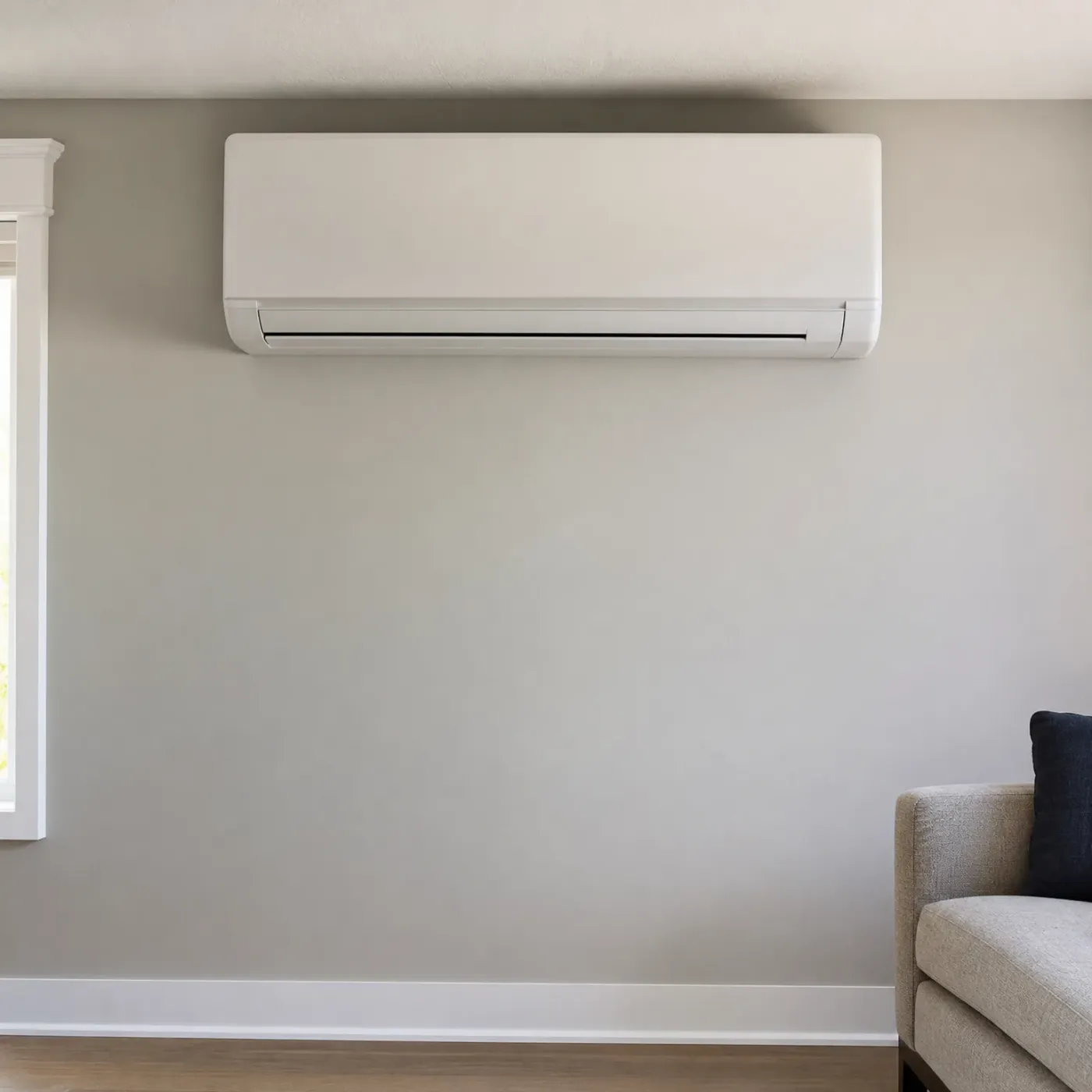
A mini split that's kept up runs like this: quiet, steady heat, no odd smell when it kicks on. The coils stay clear so the unit doesn't have to work harder than it should to pull warmth out of cold outside air.

You've got a mini split and you're wondering if it's meant to carry the heat through a Tennessee winter, or if it's just a backup for the shoulder months while something else does the real work. Most homes here heat with electricity, so you're not worried about mixing fuel types. You just want to know if running it straight through December, January and February wears it out or runs up the bill more than switching it off would.
A mini split is a heat pump. It pulls heat from the outside air even when it's cold out, and it's designed to run that way for months at a stretch, not just for mild weather. Tennessee winters rarely drop low enough to push one past what it can handle. Since most homes here already heat with electricity, running the mini split through the whole winter doesn't mean paying for a second fuel on top of it. The unit will run harder on the coldest nights and work less on the mild ones, and that's normal. What matters more than whether it runs is whether it's kept clean enough to run efficiently, since a dirty coil or blocked filter makes it work harder for the same heat.
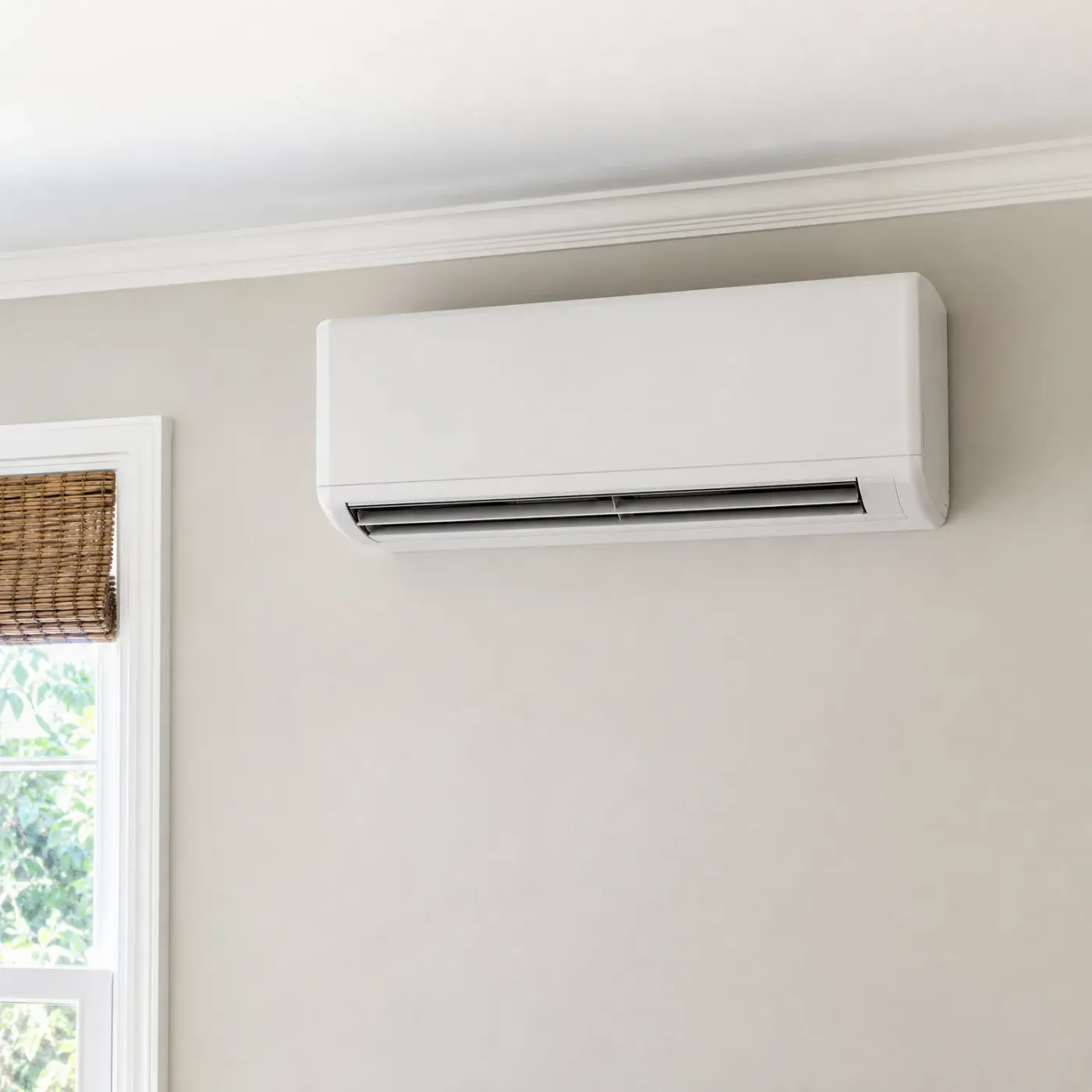
A mini split that's kept up runs like this: quiet, steady heat, no odd smell when it kicks on. The coils stay clear so the unit doesn't have to work harder than it should to pull warmth out of cold outside air.
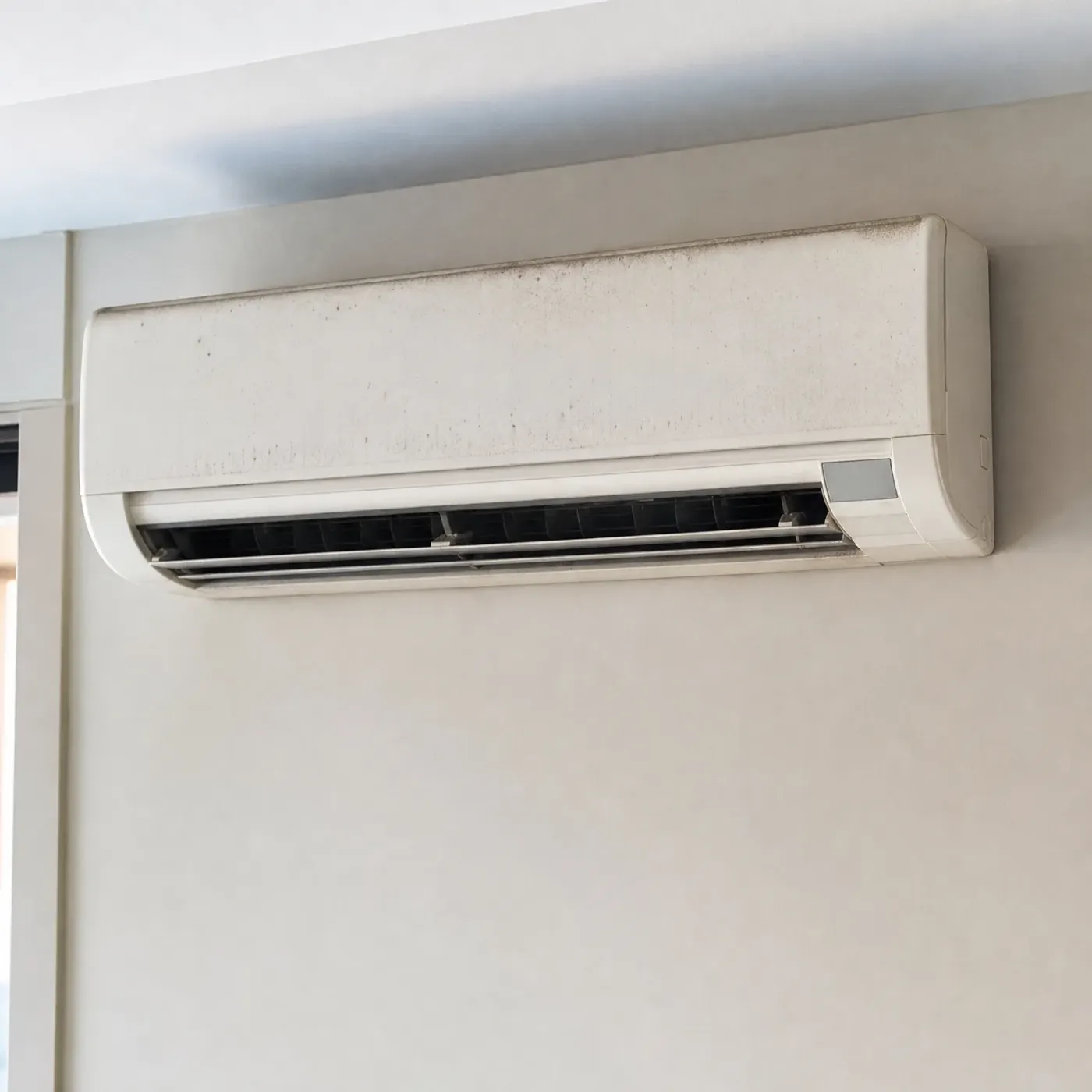
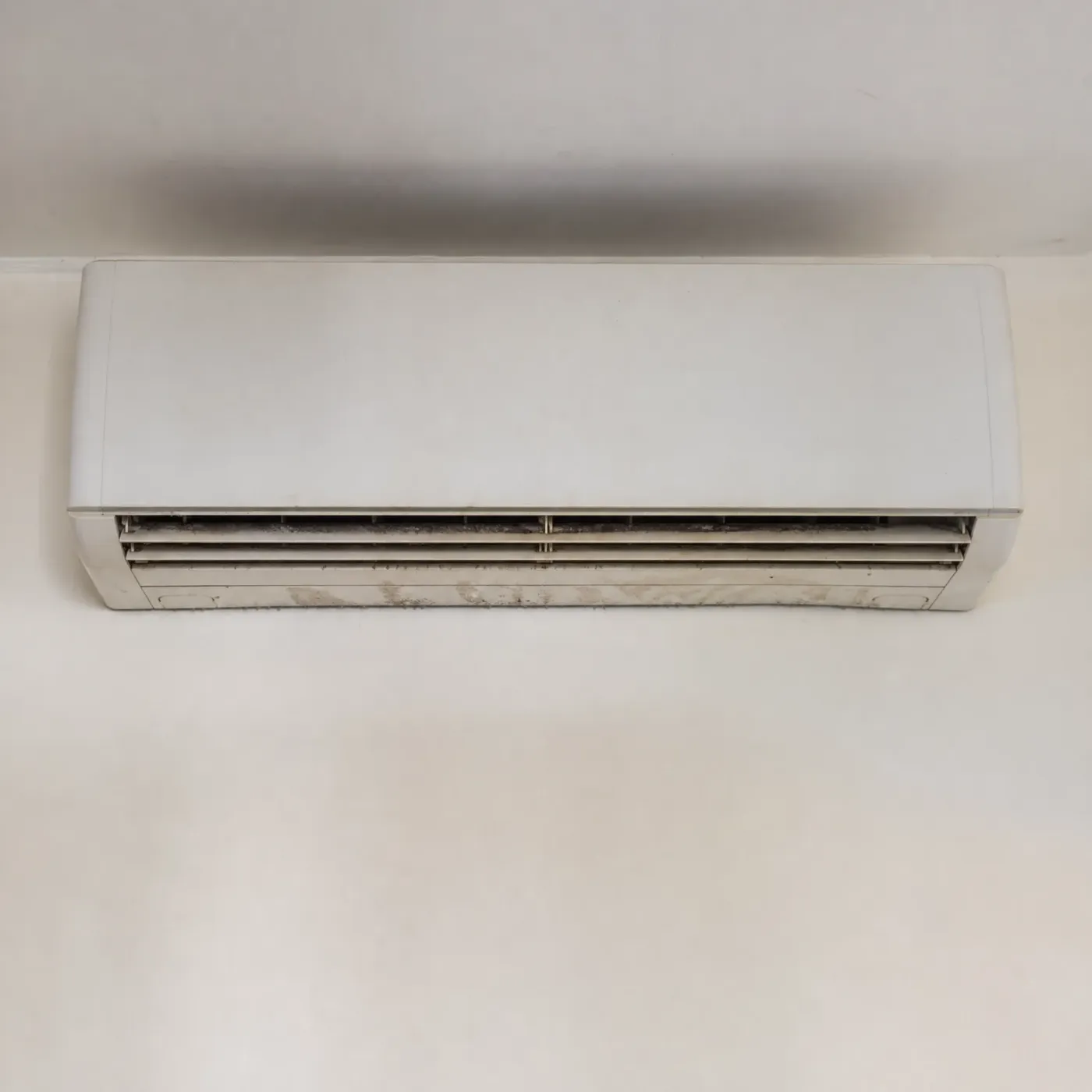
Dust cakes the coil and the filter behind it. Airflow drops, so the unit runs longer to hit the same temperature. Left like this through a Tennessee winter, it's paying more on the power bill for less heat.


A mini split doesn't burn anything to warm your house. The outdoor unit pulls heat out of the outside air, even when it's cold, and moves it inside through the refrigerant line. That's why the outdoor coil matters so much in winter. If it's coated in dirt or ice that doesn't clear, the unit has to work harder to grab the same amount of heat, and the heat it delivers inside drops off.
Power is cheap here, and most houses already heat with electricity, so running a mini split straight through winter doesn't carry the penalty it might somewhere else. The unit isn't competing against a furnace on cost the way it would in a place where electric heat runs expensive against gas. What decides whether it's worth running all winter is less about the rate and more about whether the unit itself is clean enough to pull heat efficiently on the coldest nights.




A mini split works harder on a cold night than it looks like from inside the house. Once the outside air drops near freezing, frost builds on the outdoor coil the same way it builds on a car windshield. The unit has to stop and clear that off, so for a few minutes it actually runs backward, pushing hot refrigerant out to melt the frost before it goes back to heating your room. That's not a malfunction. It's the machine doing what it's built to do. The outdoor fan keeps air flowing across that coil the whole time it's heating, which is why leaves, dirt or anything packed against the outdoor unit makes defrost cycles happen more often than they should. Inside, the head unit is reading the temperature right where it pulls air in, so if that intake is blocked by furniture or curtains, it'll run longer trying to satisfy a reading that isn't accurate. And on the coldest nights, a backup heat strip or a second heat source often carries part of the load. That's expected, not a sign the unit can't keep up.
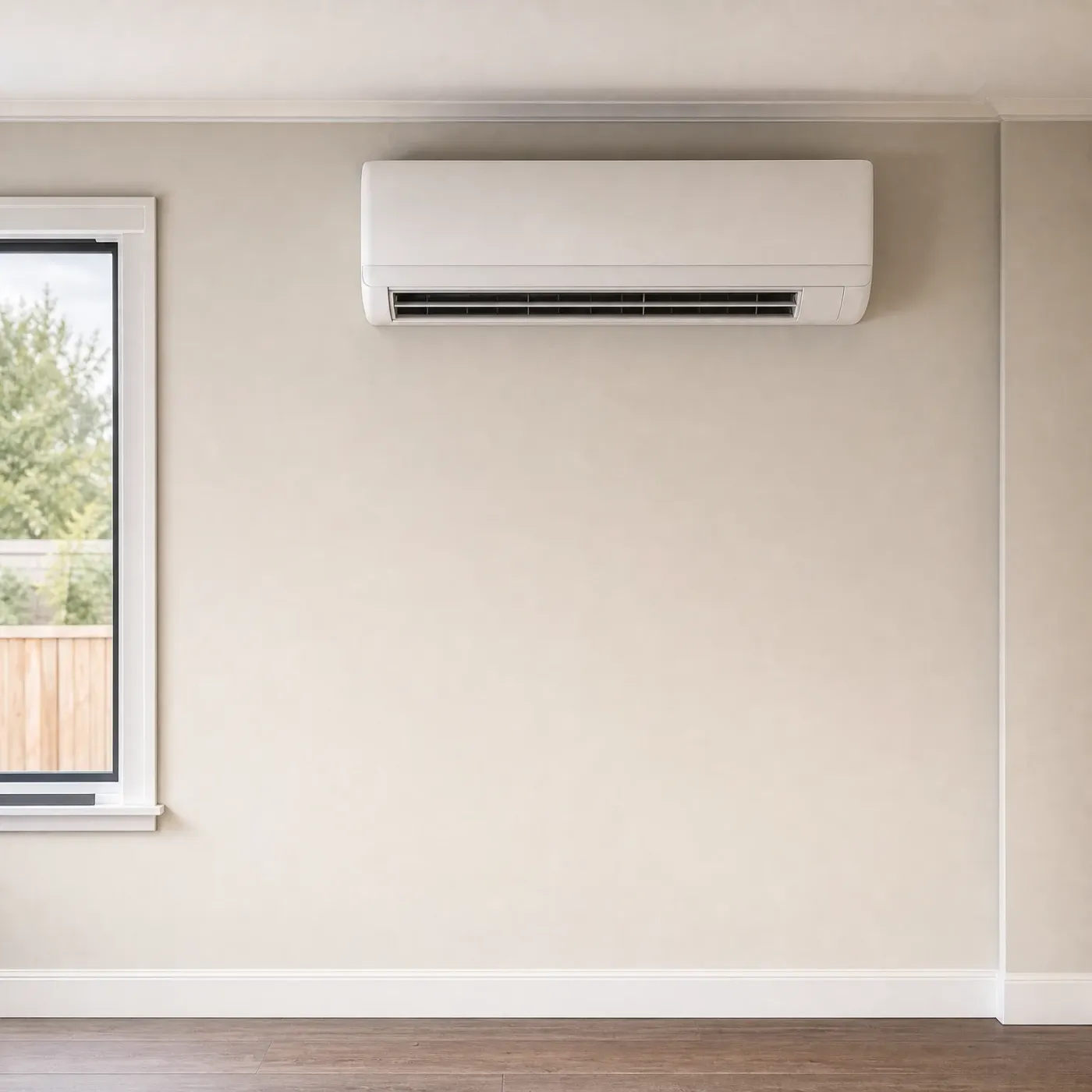
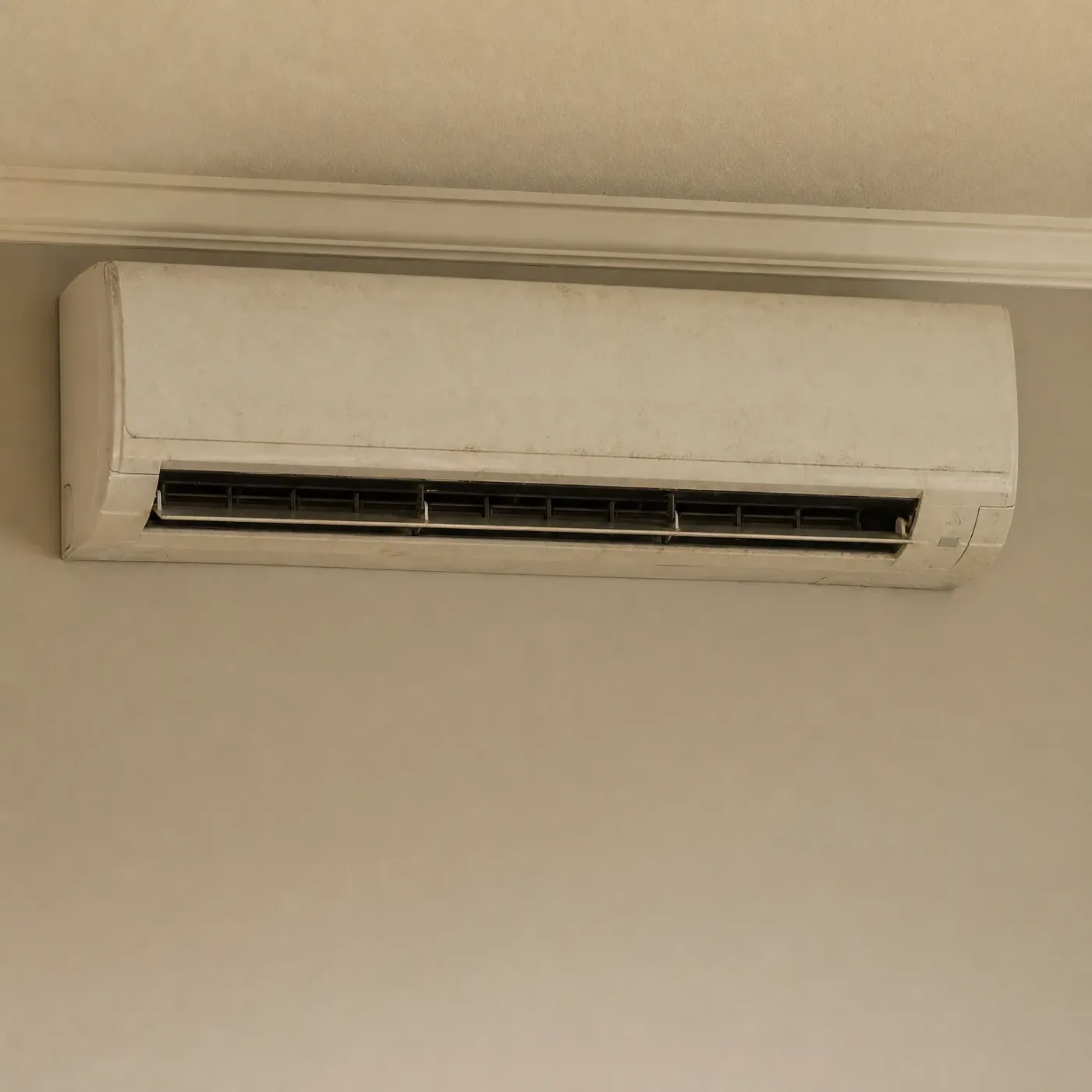
If your mini split is running all winter and nobody's looked at the outdoor unit since it went in, you're asking it to pull heat out of cold air through a coil that's probably caked with a season or two of dust and yard debris. You won't always see it from the thermostat. What you'll notice is the room taking longer to feel warm, the outdoor fan running longer than it used to, or the unit icing up and sitting in defrost more than it should on a cold night. Since most homes around you heat with electric anyway, a mini split that's straining still keeps the house warm, it just costs more to do it, and that shows up on the bill before anything breaks. Left long enough, a dirty coil or low airflow can push the compressor harder than it's built for. A mini split that's clean and checked before winter does the same job without asking the equipment to work past what it's rated for.
A mini split that runs all winter is doing the job of a furnace, and it needs the kind of attention a furnace gets before the cold sets in. Most homes around you are heating with electric, same as yours, and that outdoor unit is going to run for months straight without a break. If the coil's dirty or the defrost cycle isn't working right, you won't know until a night in the teens when it can't keep up. Finding someone who actually services mini splits in Tennessee, not just central air, takes some looking. You'd be calling around, explaining the same thing to three or four companies, then sitting with quotes you can't really compare because you don't know what each one actually checked. This connects you with one local contractor who works on these units every winter and knows what tends to go wrong with them here, so you're not the one doing the sorting.

That same outdoor unit doing your heating in January is also your air conditioner all summer, and summers here run heavy. Averaged across Tennessee, the summer dew point sits at 66°F in June, July and August, according to NOAA climate data. Air that thick makes the outdoor coil work through a lot of moisture pulling humidity out of your home, and whatever doesn't drain off tends to leave a film behind. That film is still there when the coil switches jobs and starts pulling heat from cold air instead. A coil that went into winter dirty from a sticky summer has less surface to grab heat with, so the unit runs longer to keep you warm.
NASA POWER T2MDEW county cells weighted by homes

If your mini split has been running every day since fall and nobody's looked at the outdoor unit, you'll likely notice it before anything fails outright. The air coming out feels a little cooler than it used to. The unit runs longer to hold the same temperature on the thermostat. Your electric bill climbs past what you remember from last winter, even on a mild week. None of that means it's broken. It means the coil is working harder than it needs to, and the unit is spending more power to get the same heat into your rooms.
Finding someone to look at it is its own chore: searching around, calling a few places, explaining the same thing about your unit to each one, then sitting with three quotes trying to guess which contractor actually knows mini splits and which one just does AC in the summer. Request service here and that part's done. You get matched with one licensed contractor local to you, someone who services this kind of system through the winter and knows what tends to go wrong on a coil that's been running since October.

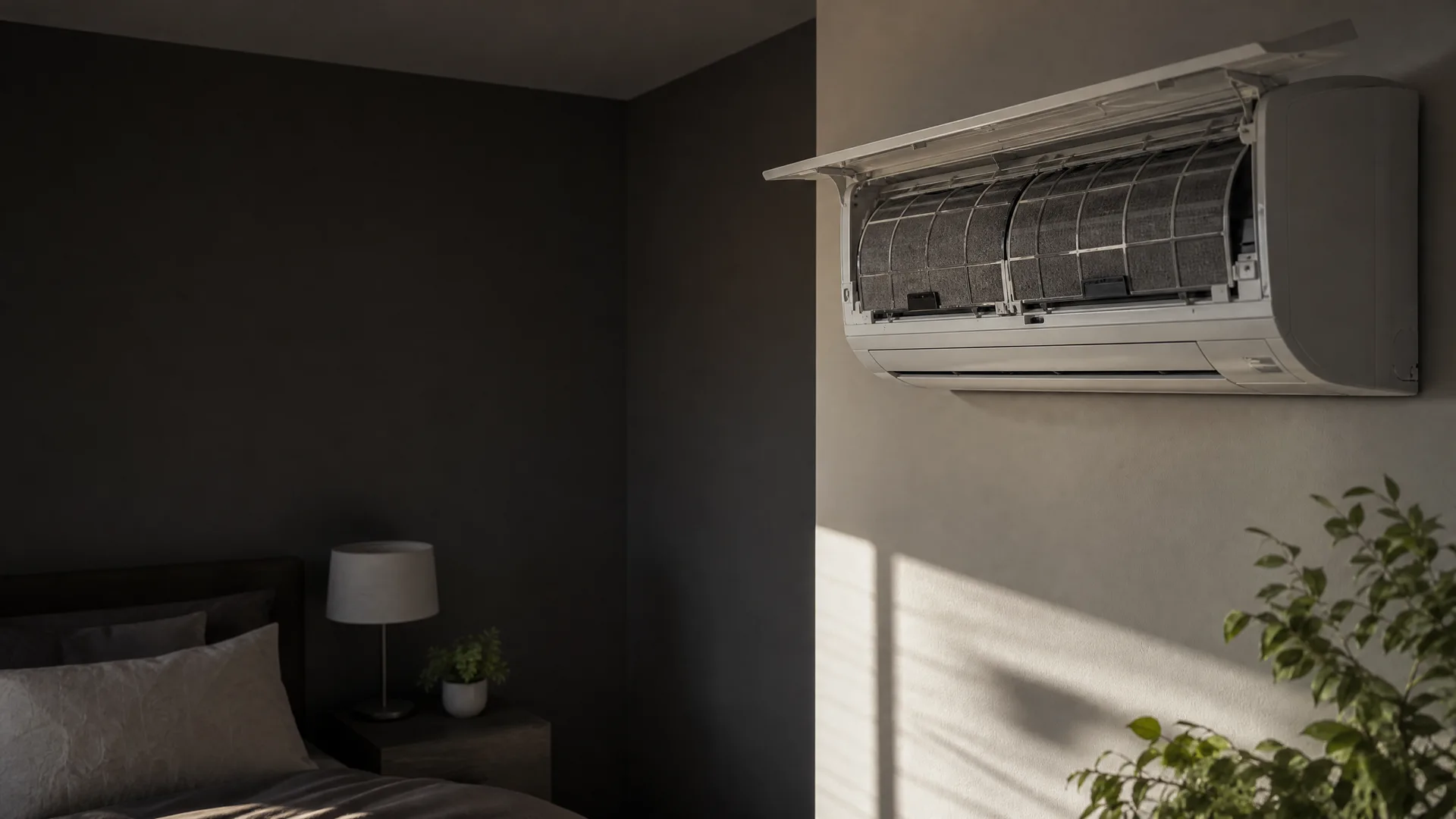
It's late March, and the room's warmed up enough that you finally notice the mini split sounds off, a little breathy, like it's working harder than it should for a mild afternoon. You pull a chair over and pop the front cover up yourself, just to look. The filter screen behind it is grey with dust, matted enough that you can't see through it to the coil underneath. You've had the heat running on this thing since November. Nobody's touched it since the install. You wipe a finger across the screen and it comes away gray. You set it back down, thinking you'll deal with it this weekend, half wondering what the coil behind it looks like after a whole winter.
At 13.22 cents per kilowatt-hour, a mini split that's running clean costs you less to heat with than one dragging a dirty coil or a low charge through January. The difference shows up on the bill every month it runs, not just once.
EIA-861 2025 statewide residential average
A mini split can carry you through a Tennessee winter. It's built to pull heat out of cold air, and it'll keep doing that for months as long as the outdoor unit isn't fighting a dirty coil, a low charge, or a defrost cycle that's not working right. Nothing about running it all winter wears it out faster than it should. What wears it out is running it unchecked.
That's the part that's easy to skip and hard to undo once something quits in January. A contractor who works on these units all season in this climate has seen what fails here and when, because they're looking at the same equipment in the same weather you are. That's not guesswork on their part. It's the coil, the charge, the defrost cycle, in that order, because those are the three things that decide whether your unit keeps up or falls behind.
You're matched with one of those contractors, not a handful. One visit, one person looking at your actual unit, one diagnosis you only have to explain once. No comparing quotes from three companies who've never seen your system and won't remember the call tomorrow. Just someone local who knows this equipment, looking at yours before the cold really sets in.
Your mini split is already doing the work of a furnace this winter. Whether it does that work cleanly or struggles through it comes down to whether anyone's looked at the outdoor unit lately. That's the whole question, and now you know the answer.
Only one pro gets your request, so you hear from one company.
It costs nothing to send, and you don't have to hire anyone.