
What size mini split a Tennessee home needs

Step 1 of 3: Equipment

There is no single size that fits every Tennessee home. A mini split is sized to the room or zone it conditions, not the house as a whole, and the right size comes from the square footage, the ceiling height, how many windows let in sun, and how well the room holds heat. Summers here run hot and sticky, which pushes the cooling load up, so a unit sized only by square footage can end up too small to keep the humidity down on the worst July afternoons. Go too big and it cools the air fast without running long enough to pull the moisture out, which leaves the room feeling clammy even at the right temperature. Since most homes here heat with electric systems, the same unit likely carries real weight in January too, so sizing has to work for both ends of the year, not just one.

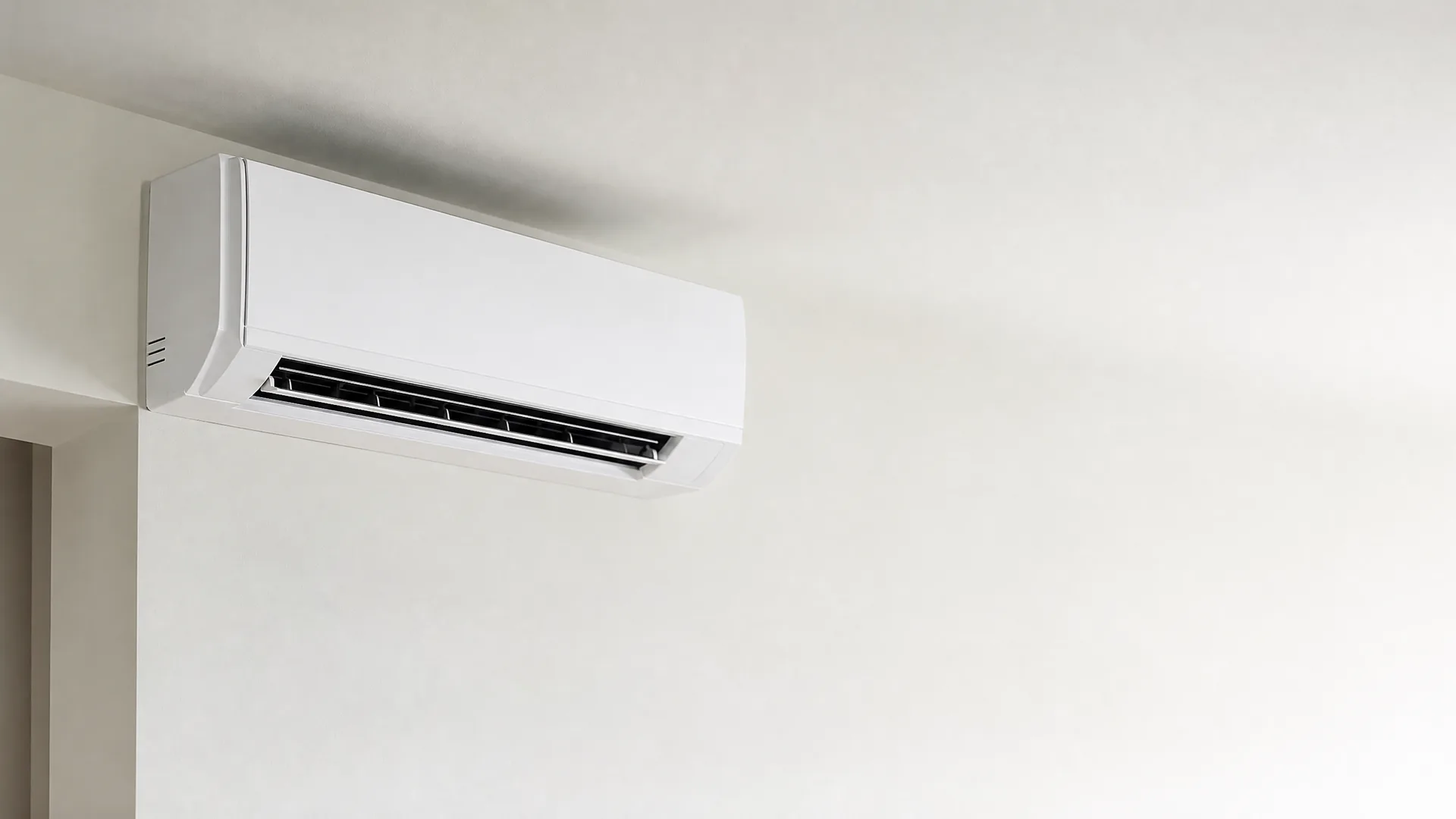
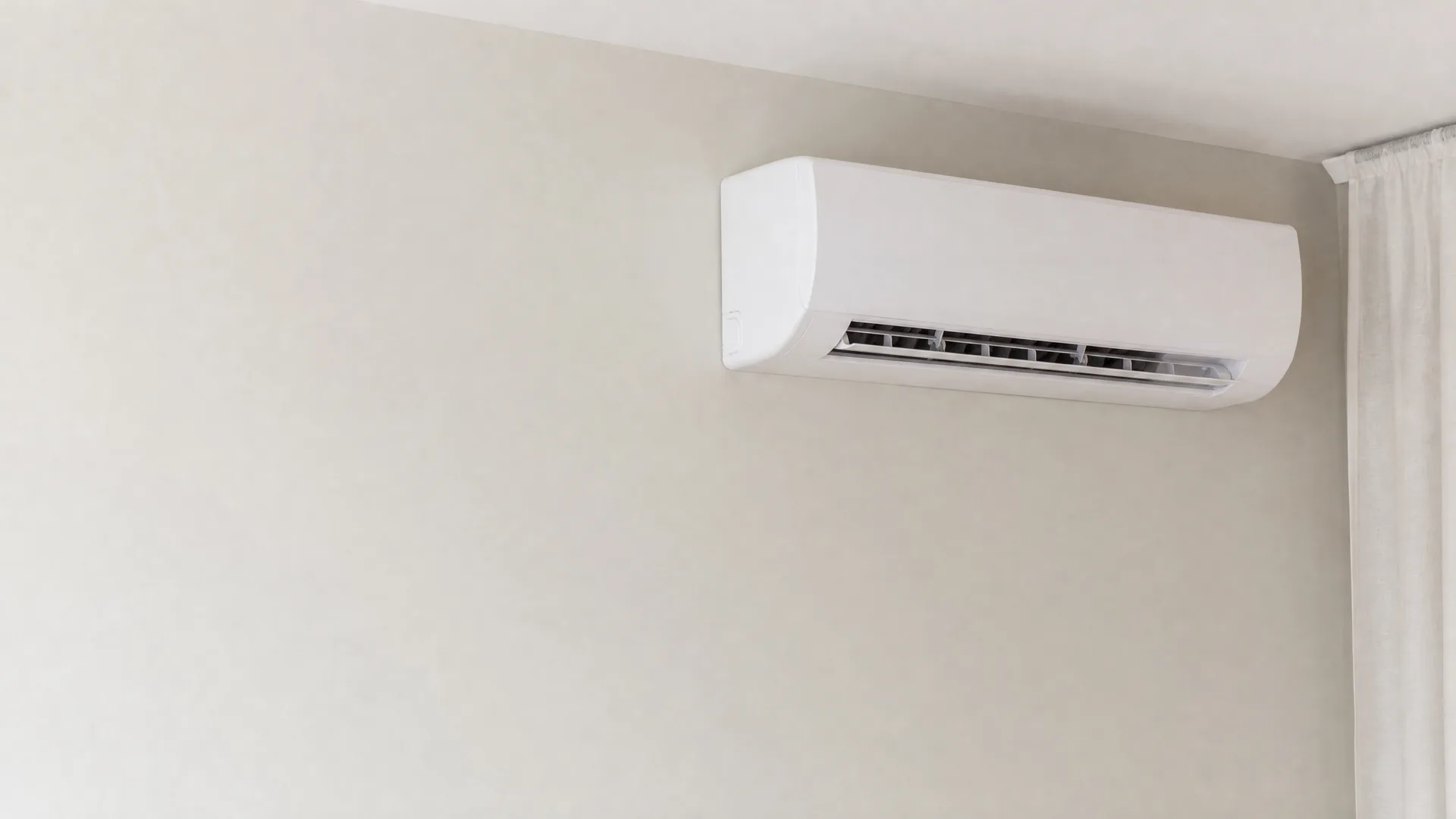
A white wall-mounted mini-split air conditioner unit near the ceiling on a plain light-colored interior wall with open space to the right.

Why oversizing backfires here

A mini split too big for the room cools the air fast and shuts off before it pulls the sticky feeling out of it. You get a room that reads cold on the thermostat but still feels damp. The unit short cycles, turning on and off all evening instead of running steady. That extra cycling is harder on the compressor than a long, even run, and it does a worse job against the humidity that comes with a Tennessee summer.

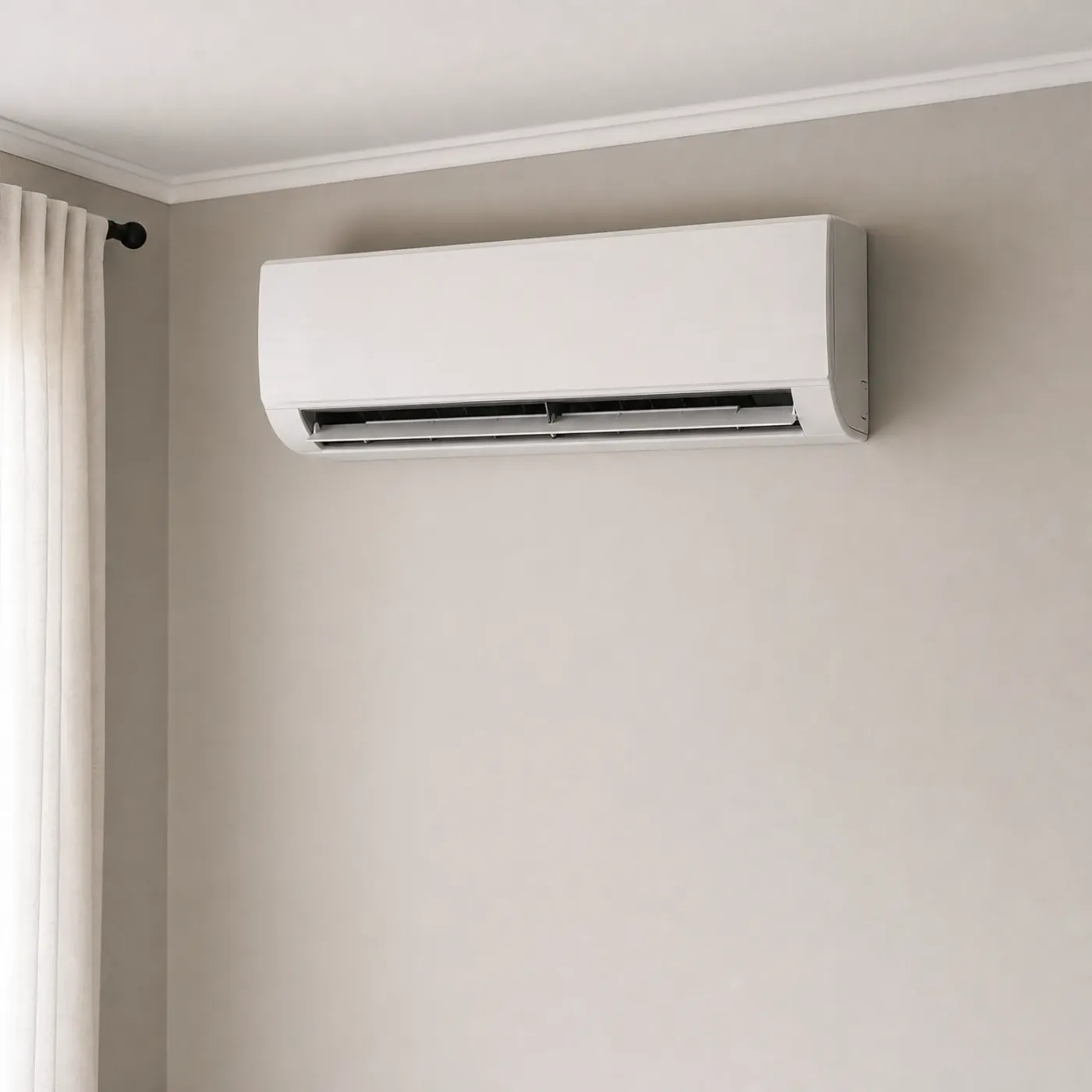
A white wall-mounted mini-split air conditioner unit installed near the ceiling on a plain beige interior wall, with a light curtain at the right edge.

What a load calculation checks

A contractor sizing your unit works through the room's square footage, its ceiling height, how many windows face the afternoon sun, and how much insulation is behind the walls. Each of those changes the number. A sunroom with glass on two sides needs more capacity per square foot than a bedroom with one small window. Since most homes here heat with electricity, the same unit that's sized right for summer is also doing your heating load, so getting the number right matters twice over.

How do you figure out what size mini split you actually need?

You've seen the BTU charts online, the ones that say so many BTUs per square foot. You want to know if that's actually how a contractor sizes the unit, or if there's more to it. You don't want a guess that leaves you with a unit that runs constantly in July or short cycles and leaves the room clammy.

A load calculation, not a square footage chart

A contractor sizing a mini split for your room runs a load calculation, usually called a Manual J. It starts with square footage, but that's just one input. Ceiling height matters because a 9 foot ceiling holds more air than an 8 foot one. Window count and which way they face matters because a west-facing wall with three windows picks up sun all afternoon. Insulation in that room's walls and attic changes how fast heat gets in during a Tennessee summer. The calculation adds all of this up and lands on a BTU number specific to that room. Two rooms the same size in the same house can need different sized units once you account for this.

A white wall-mounted mini-split air conditioner installed high on a beige interior wall near the ceiling molding, with a light curtain and curtain rod at the left edge.

Sized right

This one keeps a steady, low hum and runs longer at a lower output instead of blasting and stopping. That's what pulls the moisture out of the air along with the heat. The room feels dry and even, and the unit doesn't look stressed or worn before its time.
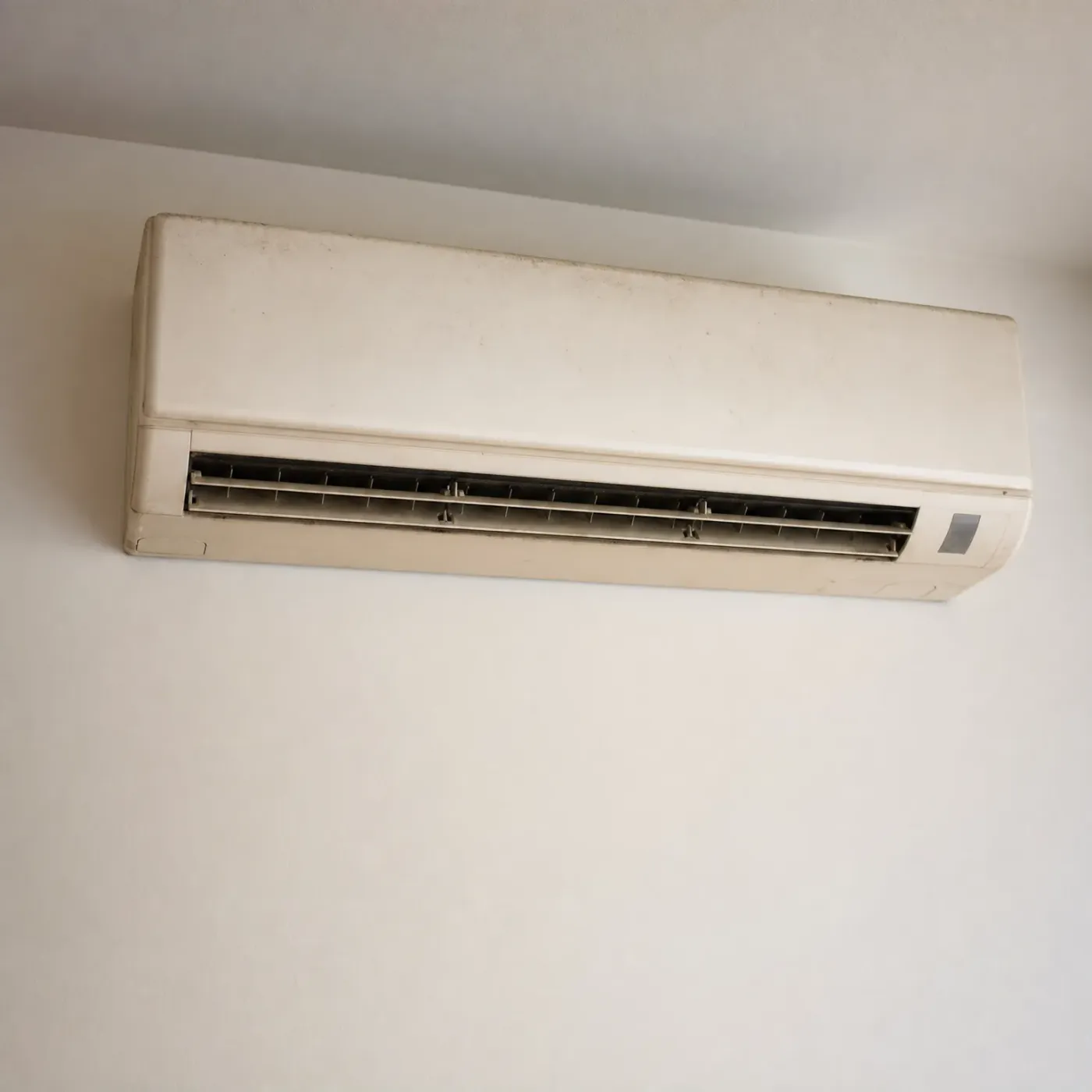

A wall-mounted mini-split air conditioner indoor unit with a discolored cream plastic casing and dusty outlet vanes, installed high on a plain light-colored interior wall near the ceiling.

Sized wrong

Yellowed casing and a layer of dust like this often point to a unit that's been short cycling for years, working harder than it should. An oversized unit cools the air fast, shuts off, and leaves the room damp. An undersized one just runs nonstop and still can't keep up on the muggiest days.

A closed silver laptop and a ceramic mug of dark coffee sit on a wooden table in front of two chair backs, with a kitchen counter, tiled backsplash, wooden cutting boards, a vase of greenery and a potted plant by a window behind.

What the wrong size costs you in your own house

If the unit in your living room or bonus room is the wrong size, you'll feel it before you understand why. A room that never quite cools down by evening, or one that gets cold but stays clammy, usually isn't a broken unit. It's the wrong size for that space. You end up running it longer, adjusting the thermostat more, and still not getting the room where you want it on the muggiest nights.

Getting the size right the first time means not living with that for a season while you figure out what's wrong. Instead of calling around to a few companies, describing your room and your symptoms to each one, and sorting through different answers, you get matched with one licensed contractor working in your area, who sizes the unit for your room based on what's actually there and installs it once.

Interior corner of a room with a window and sheer curtain at left, a gray upholstered sofa with a cushion at right, and a round wooden table holding stacked books and a round vase with an olive branch.
A smiling woman with dark shoulder-length hair in a cream V-neck sweater sits at a marble counter with a glass of red wine, with a kitchen and softly lit living room behind her.
A woman in a dark green sweater laughs while seated at a marble kitchen island with a glass of red wine, with open shelving, cabinets and a living room visible behind her.
A woman with long dark hair in a cream knit sweater laughs while looking off to the side, seated at a counter with a glass of red wine, in a dimly lit living room with a sofa, lamp, framed pictures and houseplant behind her.
A smiling woman with long dark hair in a beige sweater sits at a marble kitchen counter with a glass of red wine, with a dimly lit living room behind her.

Skip calling around

The pro who reaches out is licensed in Tennessee.

No charge to send it. You decide if you hire them.

One zone off the main system

A mini split covering a single bonus room or addition still needs its own load worked out for that space, separate from whatever heats and cools the rest of the house. The square footage, the windows, and what's on the other side of the walls all factor in just for that room. If the rest of your house runs on electric heat, that system doesn't tell you anything about what the mini split should be. Treat the room on its own, the same way a contractor would if it were the only space in the house.

A whole house on mini splits

Some Tennessee homes run on multiple mini split heads instead of central heat and air, one or more per room or floor. Here each zone still gets sized on its own, but the heads also have to work together, since a unit that's too big in one room can throw off how the rest of the system handles humidity on a sticky day. A contractor sizing a whole house this way is balancing several rooms at once, not just picking one number and repeating it for every door you've got.

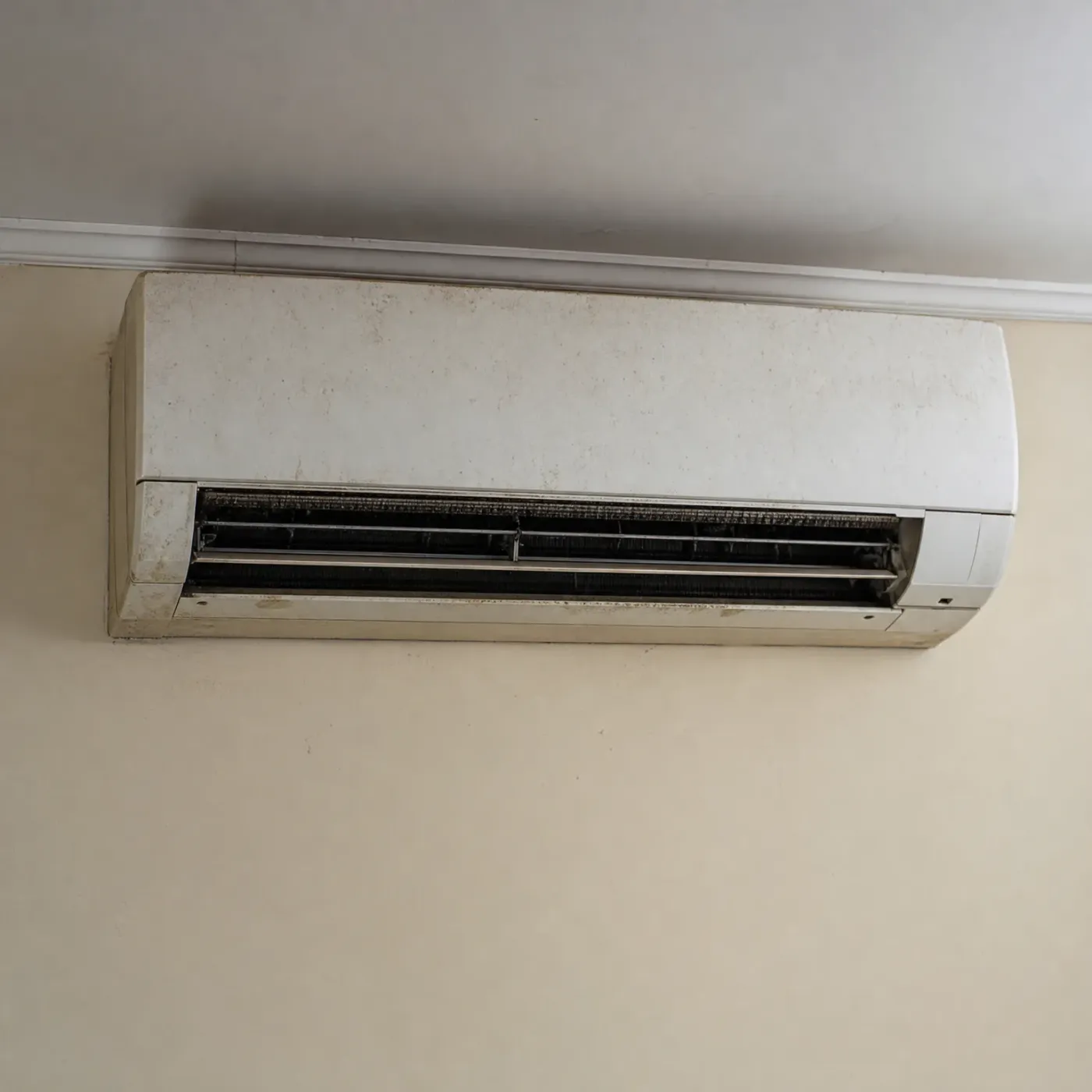
A dusty white wall-mounted mini-split air conditioner installed high on a beige interior wall below a molded ceiling trim.
Before you get your mini split installation
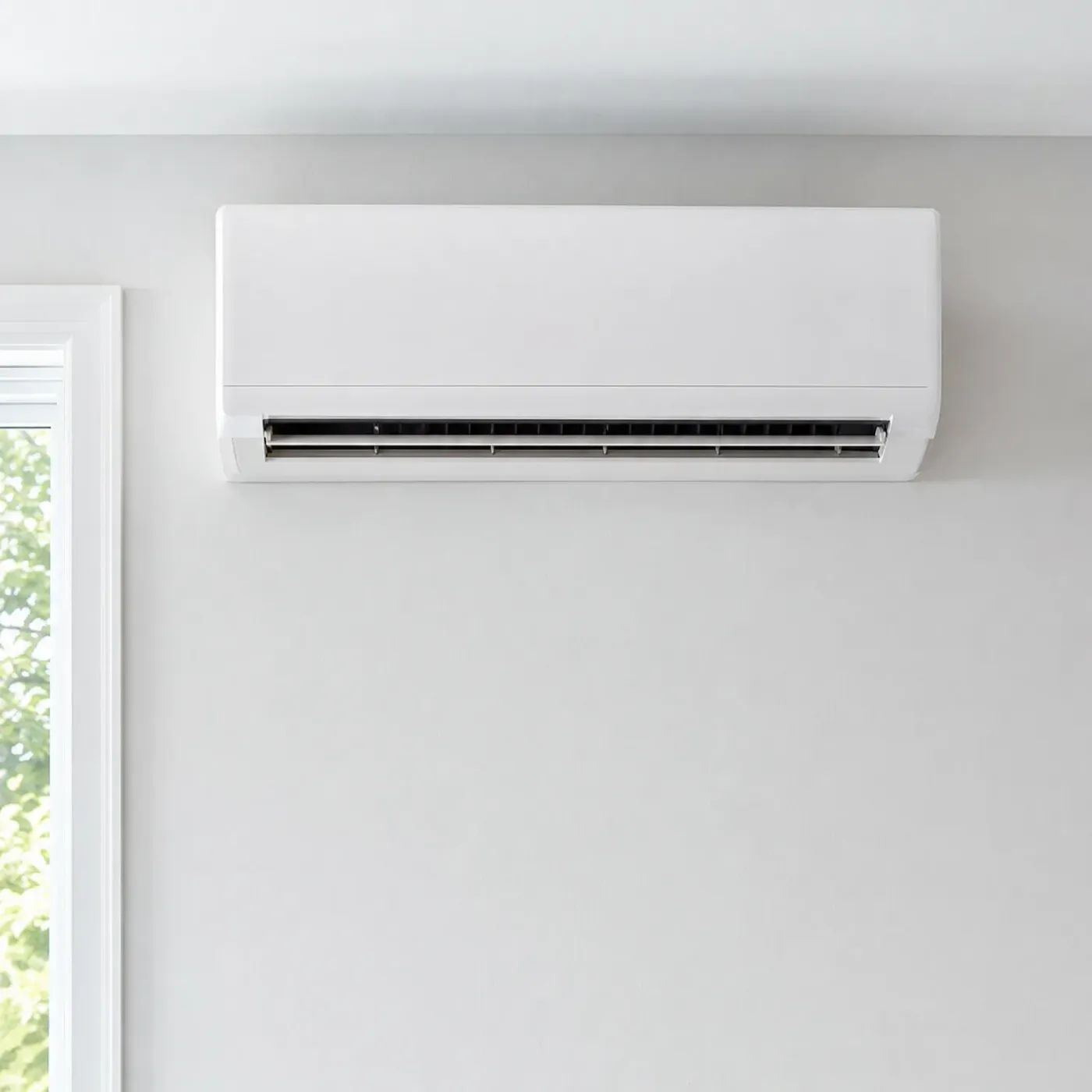
A white wall-mounted mini-split air conditioner unit installed high on a light gray interior wall near the ceiling, with a white-framed window and green foliage visible at the left edge.
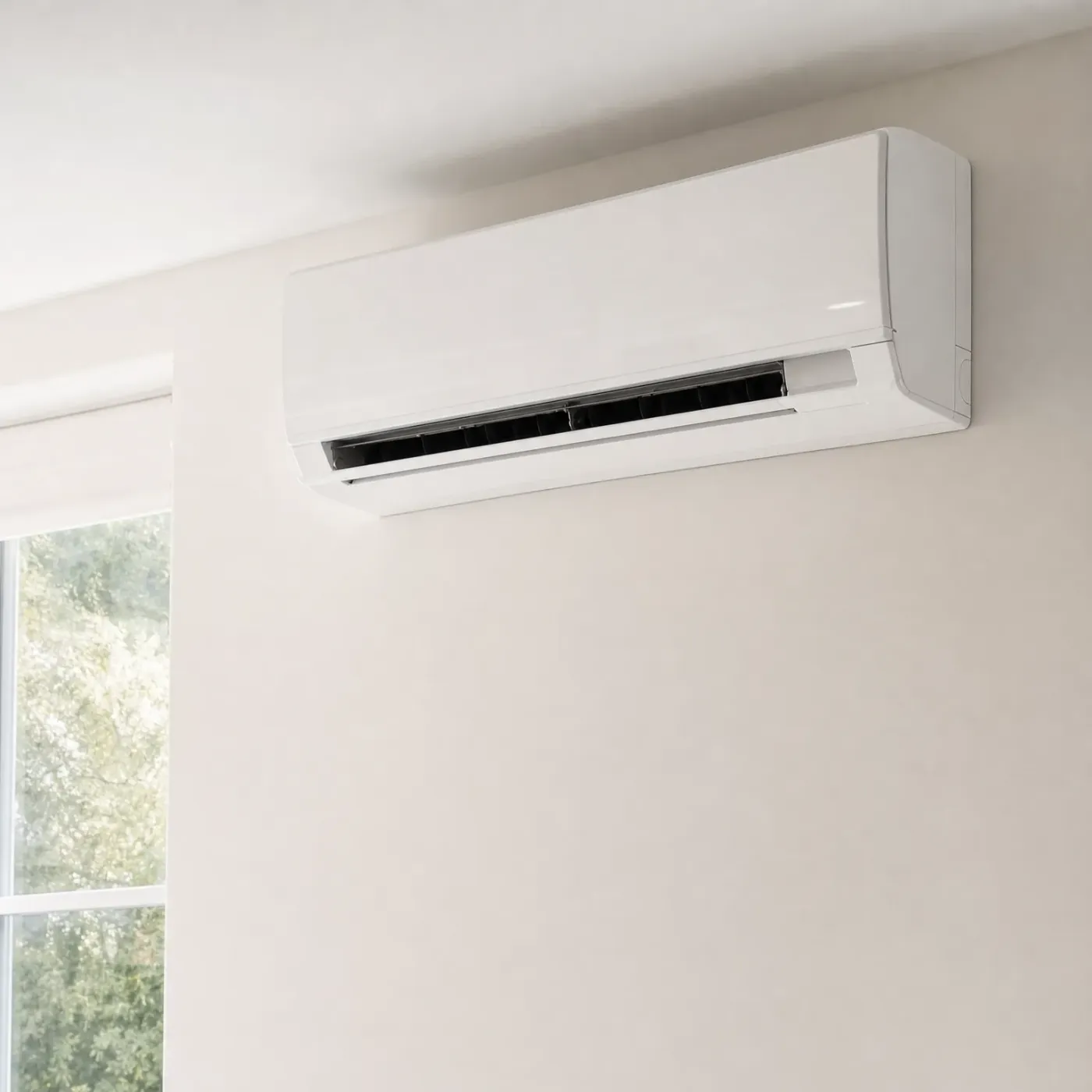
After you get your mini split installation
A white wall-mounted mini-split air conditioner installed near the ceiling on a light-colored interior wall, with a window and green foliage visible at the left edge.

Running clean

A mini split sized right for the room holds a steady output, and the coil and vents stay clear. Air moves through easily, the room cools evenly, and nothing is straining to keep up with a load it wasn't built for.

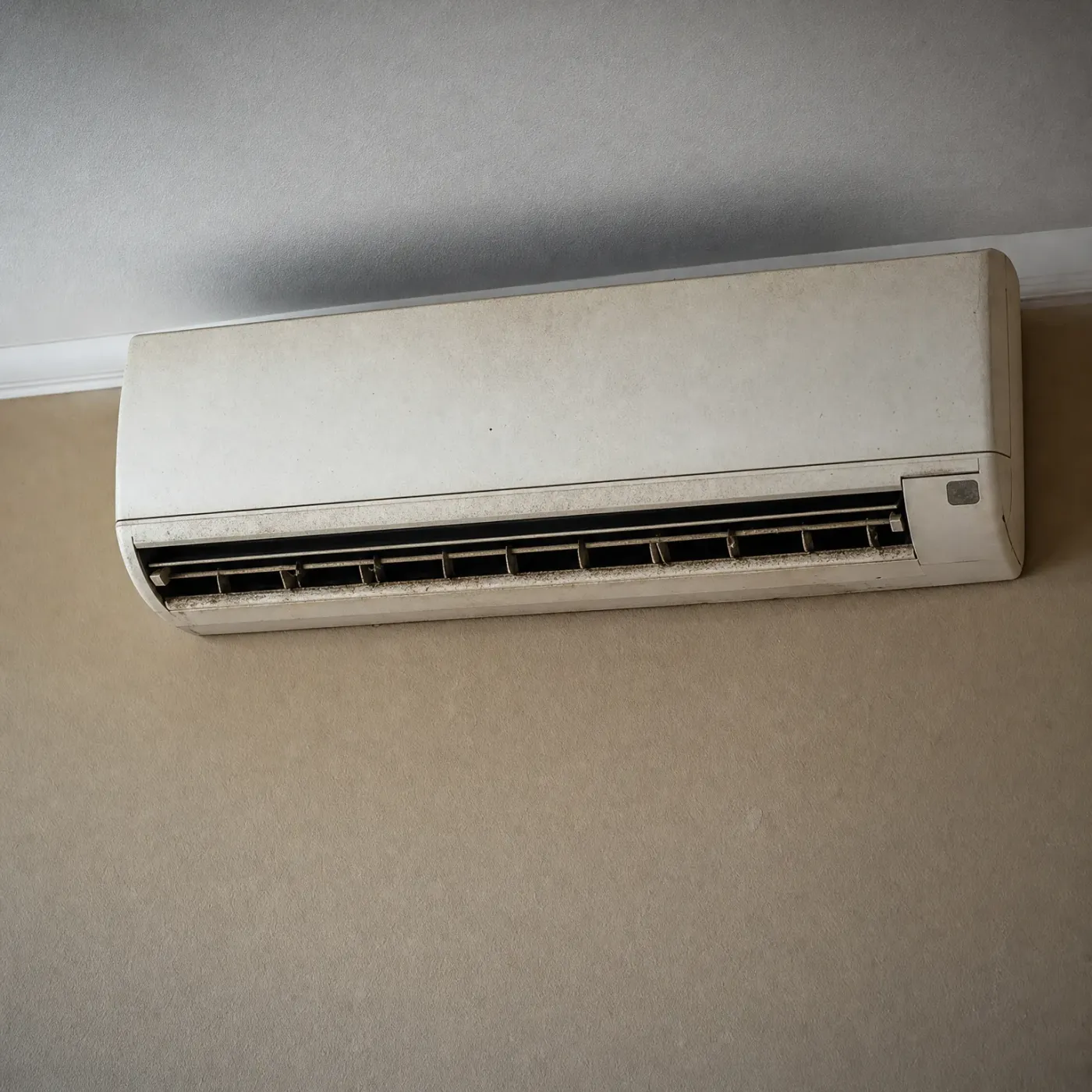
A dusty white wall-mounted mini-split air conditioner indoor unit installed high on a beige interior wall below a white ceiling and trim.

Running dirty

Dust and grime built up on the vents and intake grille choke the airflow. The unit has to work harder to move the same amount of air, and whatever size it is, it can't do its job with the intake this fouled.

Why does one room never feel right no matter the setting

Maybe it's the bonus room over the garage, or the living room with the big west-facing window. You turn the mini split down low and it still doesn't catch up by evening, or it cools fast but the air feels heavy and damp anyway. You might hear it clicking on and off more than it should, short bursts instead of a steady run. In summer that damp, sticky feeling sitting in a "cold" room is usually the clue. Left alone, that moisture has somewhere to go: musty smells, damp spots near the unit, mold starting in a closet or corner that doesn't get airflow. It's not something that fixes itself with a lower setting.

A single-story red brick ranch house with a gray shingled roof, white-framed windows and a central dark front door, fronted by a wide asphalt driveway, green lawn and large deciduous trees on both sides under a bright hazy sky.

Summer dew points in Tennessee average 66°F across June, July and August, according to NOAA climate data. That's thick, heavy air, the kind that sits on your skin even after the thermostat says the room has cooled. A mini split sized right for the space is what actually wrings that moisture out, since pulling humidity down takes steady runtime, not a quick blast of cold air. Size it too big for the room and it cools the air before it's had time to dry it, shutting off while the dampness is still there. You'll feel it as a room that reads cool but still sticky by evening.

NASA POWER T2MDEW county cells weighted by homes

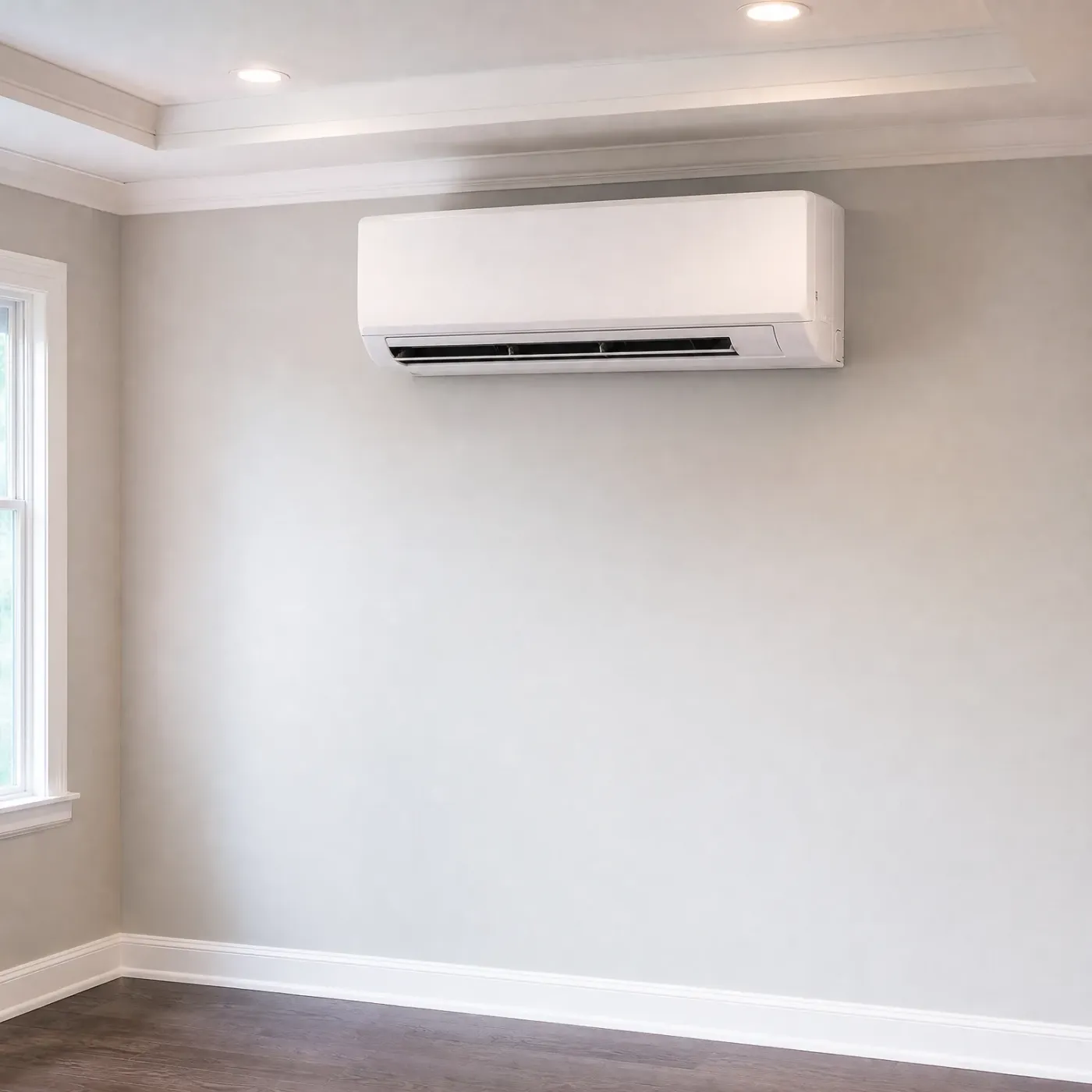
A white wall-mounted mini-split air conditioner on a light gray wall in an empty room with dark wood flooring, white baseboards, a tray ceiling with recessed lights, and a window at the left.
Sized to the room, the unit holds a steady low speed and keeps pulling moisture out of the air all evening.
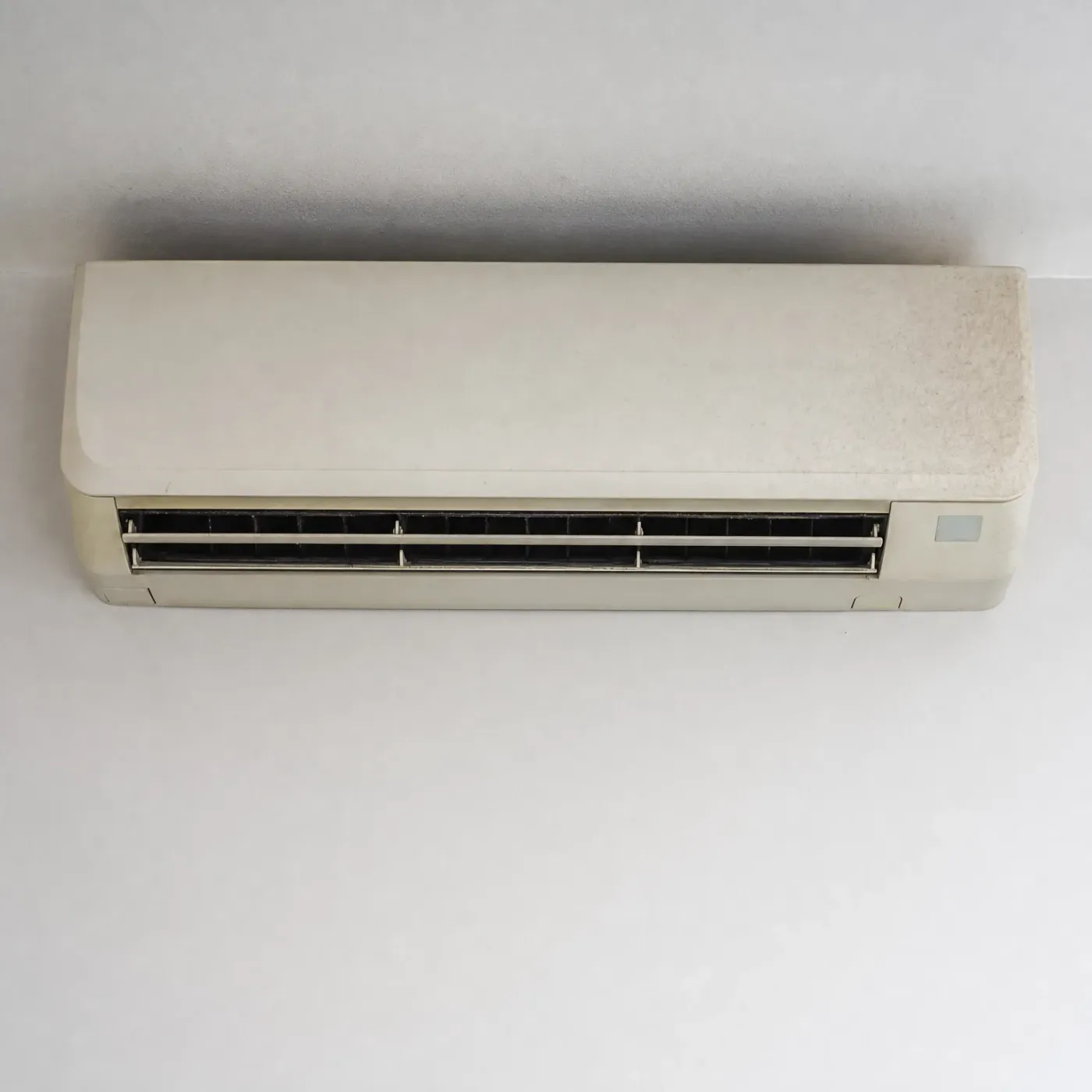
A wall-mounted mini-split air conditioner indoor unit with a yellowed plastic casing and dark horizontal vent louvers, installed on a plain light-gray wall.
Dust on the housing and dark residue around the vents usually mean the unit is working harder than it should to keep up.

Power costs 13.22 cents per kilowatt-hour statewide

At 13.22 cents a kilowatt-hour, running a mini split here doesn't punish you the way the wrong size does. A unit that's too big or too small still costs more to run than one sized to the room, since it's cycling or straining instead of holding a steady output. Getting the size right is what keeps that cheap rate actually paying off.

EIA-861 2025 statewide residential average

The right size, in plain terms

  • Sizing comes from the room's square footage, ceiling height, window exposure, and insulation, not a flat BTU-per-square-foot rule.
  • A unit sized too big cools the room fast, shuts off, and leaves the air feeling damp even though the thermostat reads cool.
  • A unit sized too small runs constantly and still can't catch up on the muggiest evenings.
  • Sized right, a mini split holds a steady low output that pulls moisture out of the air along with the heat.
  • Each zone, including a single bonus room or addition, needs its own load worked out separate from the rest of the house.
  • Getting the size right the first time keeps the coil and vents clear and avoids the strain that drives up what it costs to run.

There's no shortcut that replaces working out the load for the actual room. Square footage starts it, but ceiling height, how much sun the windows let in, and what's behind the walls all change the number. Skip that work and the unit fights the space for as long as you own it. Too big, and it cools the air before it touches the humidity, so the room reads cool on the thermostat but still feels sticky. Too small, and it runs nonstop on the muggiest nights without ever catching up. Neither one is a small miss. Get it right and the unit settles into a steady, low output, the kind that quietly pulls moisture out of the air for hours instead of blasting and stopping. That steady run is also what keeps the coil and the vents clean and keeps the unit from straining, which is what drives the running cost up over a too-big or too-small system. If you're adding a zone for a bonus room, a sunroom, or an addition, that space gets its own load worked out on its own terms, not borrowed from whatever system handles the rest of the house. The windows in that one room, the insulation in that one wall, the sun that hits it in the afternoon, all of it factors in separately. Tennessee's summers make this worse than it would be somewhere drier, because a unit that can't manage the humidity leaves the room feeling damp no matter what the thermostat says. Getting the size right the first time is what keeps the system doing its job instead of fighting it.

A smiling bearded man in a navy sweater sits at a candlelit dinner table with a glass of red wine, a bowl of salad, and plates of food in the foreground.
A woman with dark hair in a bun reclines on a sofa with her eyes closed, wrapped in a cream fleece blanket, a closed blue hardcover book resting in front of her, with a lit lamp and a vase of dried flowers in the background.

Describe it once

Getting the size right takes someone who measures the room instead of guessing from a chart. A local contractor who installs mini splits in Tennessee homes all summer knows which rooms run damp even after the thermostat says they're cooled, and sizes for that. Request a quote here and you deal with one licensed installer, not a string of callbacks, instead of tracking down contractors yourself, repeating the same details to each one, and sorting through quotes that size the job differently.

Skip calling around

Only one pro gets your request, so you hear from one company.

There's no charge for the request.