
Running clean
A mini split that's kept up with runs quiet and dry, no streaks on the wall below it, no drip from the casing. Air moves out of the vents evenly and the unit cycles on and off through the day without anyone in the house noticing.
Cold weather is here and water is showing up on the wall or pooling under the indoor unit. That's not what you expect from a system that's supposed to be keeping the house warm and dry, so it's worth knowing whether this is something minor or a sign the unit needs attention before it gets worse.
Your mini split pulls moisture out of the air even in winter, and that water has to leave through the condensate drain line. When the line gets clogged with dust or algae, or when cold air causes condensation to freeze inside the drain pan or line, the water backs up and finds its way out through the indoor unit instead. In Tennessee winters, the freeze and thaw swings can make this worse, since ice can form overnight and melt during the day, pushing water past the pan. It can also mean the line was installed with the wrong slope, so water never drained properly to begin with. Either way, it won't fix itself once ice or buildup is involved.
A mini split in heat mode still pulls air across a cold coil during the defrost cycle, and that coil sheds water the same way it does in July. In a heating-electric home that's run hard all winter, the unit cycles through defrost often. Each cycle makes condensate. If the drain line is clear, that water leaves through the wall. If it's blocked or pitched wrong, it backs up into the pan and finds its way out onto your floor or wall instead.

The condensate line slopes downhill from the indoor unit to the outside, often just a short run through the wall. Algae, dust, or a sagging section of line can block it anywhere along that path. Once it's blocked, the pan fills and overflows, and that's the water you're seeing. A contractor who services these units locally every winter checks that line first, because it's the most common reason a mini split that heated fine last year is dripping now.
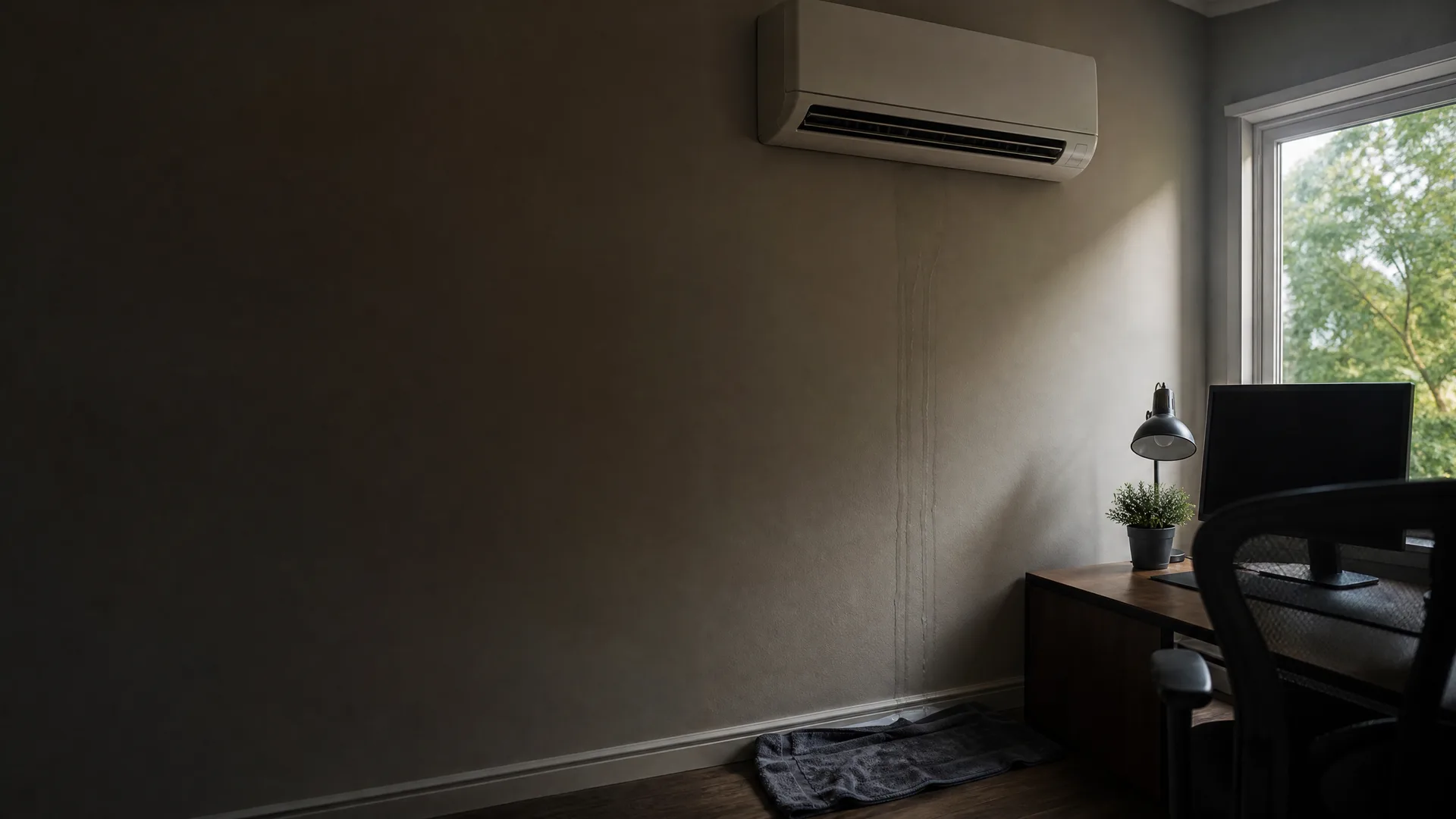
It's late afternoon in January and you're at the desk in the home office, the mini split humming away on heat. You notice the wall under the indoor unit first, a streak running down toward the baseboard, dark against the paint. By the time you grab a towel there's already a small puddle on the floor. The unit's still blowing warm air, so it takes a second to understand the two things can happen at once. You get the towel down and move the laptop bag off the floor, then stand there looking at the wall, trying to remember if it did this last winter too.
A leak like this doesn't fix itself by turning the unit off and back on. The drain line, the pan, and the coil are all tucked inside the wall-mounted unit or run through spaces you can't get to without pulling it apart, and guessing at which one is the problem just means more water on the wall while you wait. What it needs is someone who works on these systems through a Tennessee winter and knows that a clogged drain behaves differently from a frozen line, and can tell the difference by looking rather than by trial and error. Mini splits aren't as common here as a gas furnace or a heat pump, so not every contractor sees enough of them to know the quirks. The one this request reaches does. Send it now and the search for the right person is off your plate. The leak keeps dripping until someone with the right eyes looks at it, and that's one call away.
A frozen or clogged condensate line gets worse every day the unit keeps running in heat mode. Each defrost cycle adds a little more water behind whatever's blocking the line, and once ice forms in that line outdoors, it doesn't clear on its own just because the weather warms up for an afternoon. Waiting usually means the leak spreads, either further down the wall or into the subfloor underneath the indoor unit. A contractor can clear the line, check whether it was pitched correctly to drain, and in some cases add insulation or a heat tape where the line runs through an unheated space so it doesn't freeze again the next cold snap.
Some homeowners catch a small leak early, before it's reached the baseboard or soaked into drywall, and decide to watch it over a few more cold nights. If the water is limited to a small puddle in a drip pan you can see and empty, that buys a little time without damage spreading. But a mini split with a drain problem doesn't heal itself, and every night it runs on heat is another chance for the leak to find a new path, behind the wall, into insulation, onto flooring you can't easily dry out. What looks manageable in week one often isn't manageable by week three.




A mini split that's kept up with runs quiet and dry, no streaks on the wall below it, no drip from the casing. Air moves out of the vents evenly and the unit cycles on and off through the day without anyone in the house noticing.
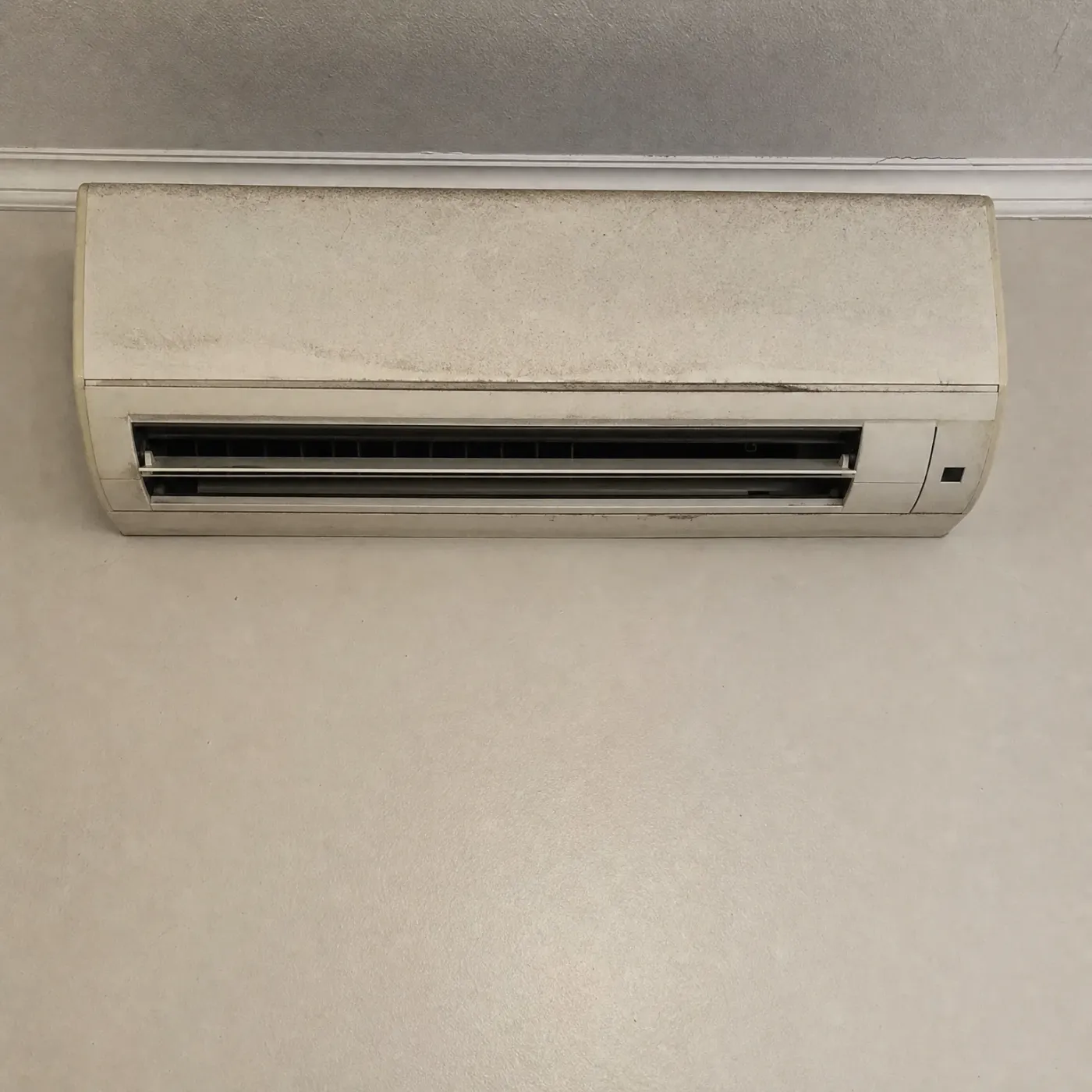
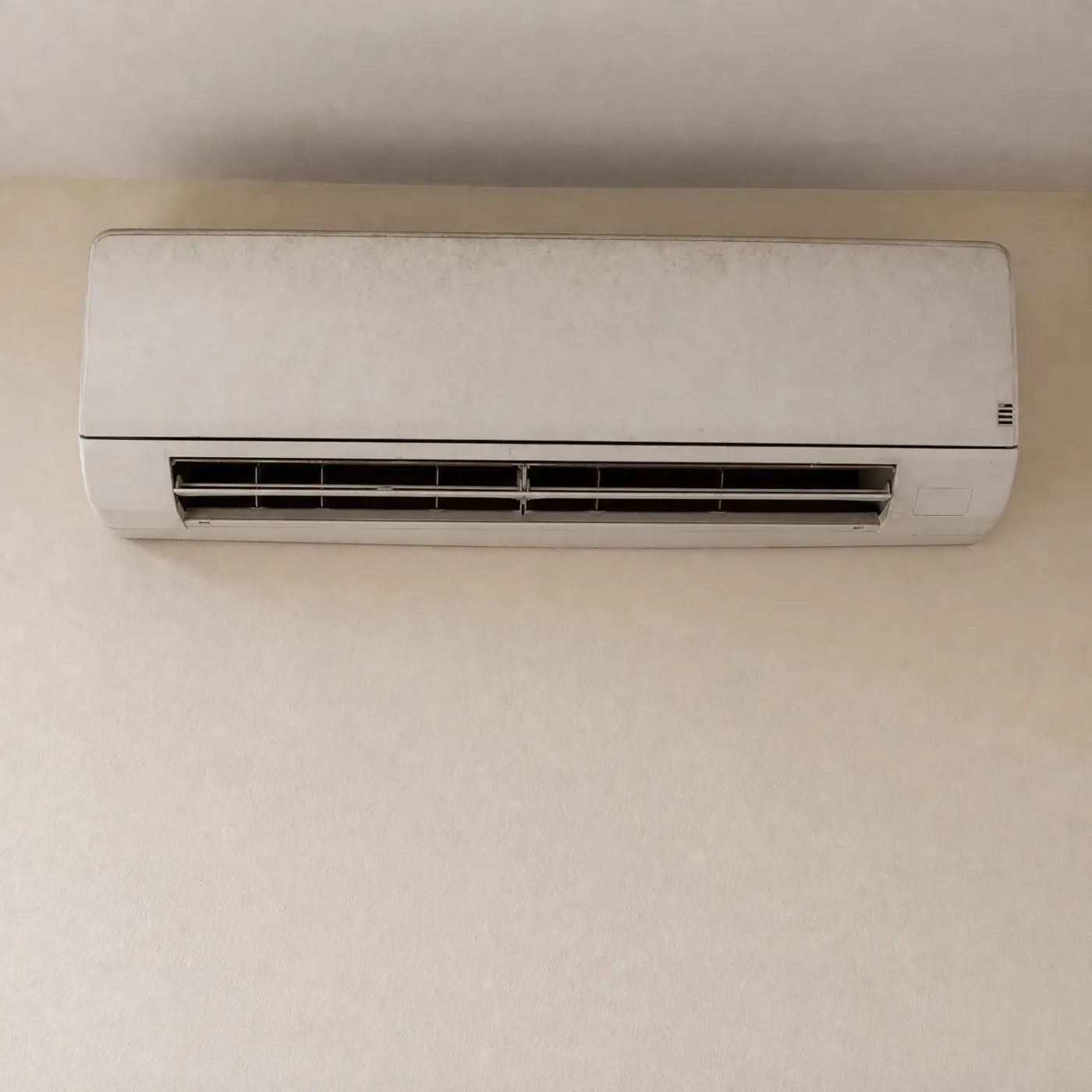
Dust and grime build up on the casing and across the vents, and that same buildup collects inside where the coil and drain pan are. A dirty coil ices over faster in heat mode, and a dirty pan or line backs up and sends water down the wall instead of outside.

Tennessee summers average a dew point of 66°F, according to NOAA climate data. That's heavy, sticky air, and it's why your mini split pulls so much moisture out of the house from June through August. All that condensing leaves the drain line, pan, and coil carrying water for months before winter even starts. Any buildup inside those parts, a bit of algae in the line or sludge in the pan, settles in over the summer and sits there once the unit switches to heat. Come the first hard freeze, that residue is what narrows the line or blocks the pan just enough to send water somewhere it shouldn't go.
NASA POWER T2MDEW county cells weighted by homes
Look for a damp patch or a running streak on the wall below the indoor unit, usually starting right under the casing and heading toward the baseboard. The drywall paint may be darker there or starting to bubble. You might find water pooled on the floor or windowsill underneath, or a drip coming off the bottom edge of the unit itself. Some people notice a musty smell before they ever see the water, which usually means moisture has been sitting in that wall or behind the trim for a while. Left alone, that water doesn't stay put. It soaks into drywall, warps flooring, and can sit inside the wall where nobody sees it until the damage is further along.


A local tech who works on mini splits all winter gets to the drain line, the pan, and the coil, finds what's actually blocking the water, and clears it before it does more damage.
The leak keeps pace with every defrost cycle. Ice already in the line won't clear on its own, and the water finds a new path into the wall or the floor below.
At 13.22 cents a kilowatt-hour, running your mini split on heat all winter doesn't strain the budget the way it might elsewhere. That's one more reason to get a leak fixed instead of living with a towel under the unit, since the repair itself costs far more to ignore than the power to run it does.
EIA-861 2025 statewide residential average
A mini split leaking water in winter almost always comes down to the drain line, the pan, or the coil, and it won't stop on its own while the unit keeps running in heat mode. That part is clear by now. What matters next is getting someone to the unit who knows where to look. A tech who works on mini splits all winter in Tennessee has seen this exact leak plenty of times, knows which spot usually freezes or clogs first, and won't need to guess his way through the wall-mounted casing to find it. Your request goes to one local contractor, licensed to do the work, so you're not fielding calls from three different companies trying to win the job. You'll know who's coming and why they're qualified to fix what's wrong. The streak on the wall, the drip under the unit, the towel you've been swapping out, all of that has an end point once the right person gets to the drain line and clears it.





Your request stays with one local pro.
Asking costs nothing, and the choice to hire stays yours.