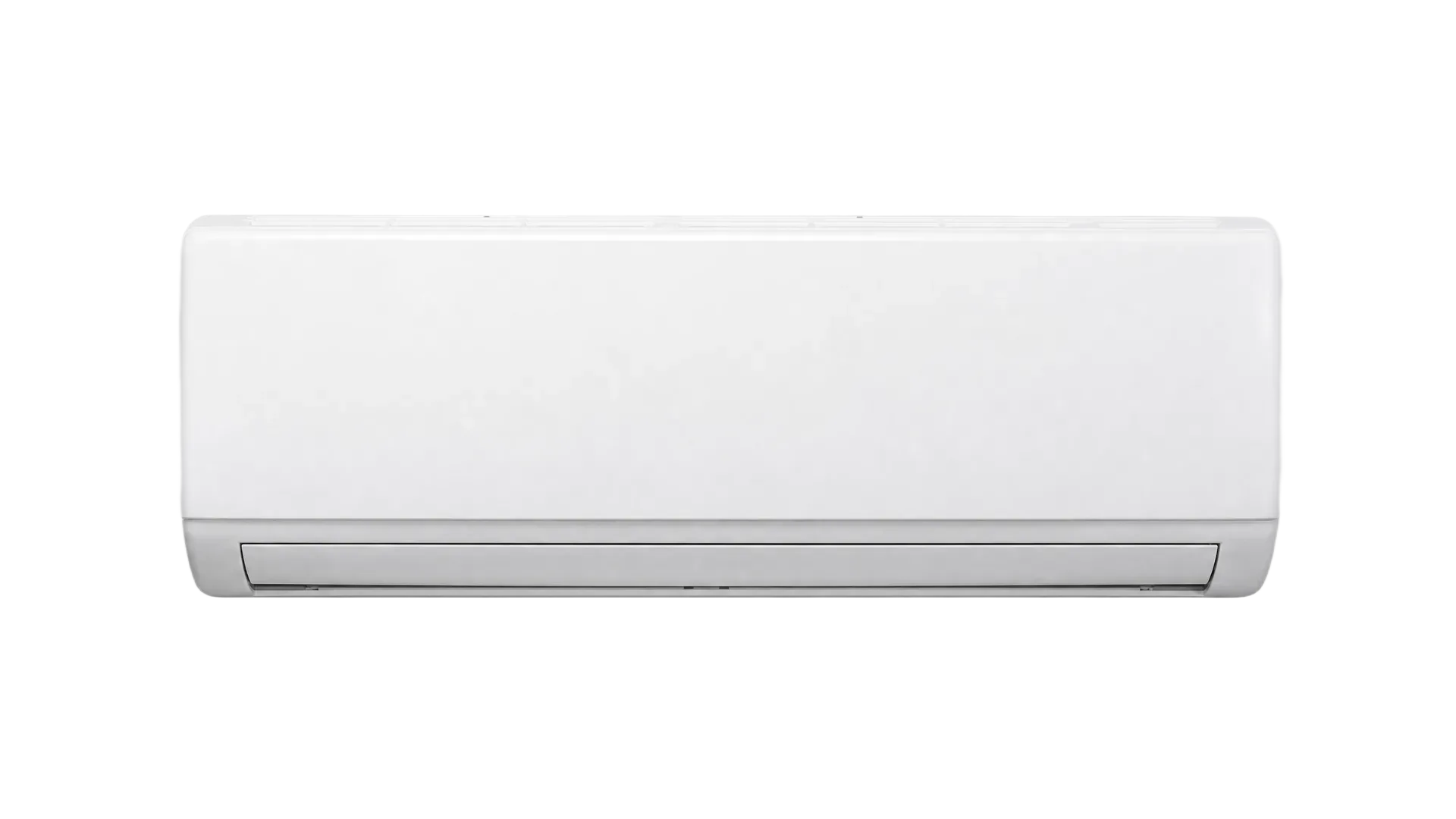

Clean coil, normal cycle
This is what the outdoor unit should let the indoor side do: warm air on demand, no fuss. A clean coil sheds frost fast once defrost mode kicks in, so the system gets back to heating instead of sitting locked out.
A mini split that won't turn on in cold weather is usually frozen up or locked out by its own defrost control. Mini splits pull heat from outside air, and when Tennessee temperatures drop toward freezing, frost builds on the outdoor unit's coil. The system is supposed to pause itself, run a defrost cycle, then start back up, but a dirty coil, a failing sensor, a low refrigerant charge, or a blocked outdoor unit can keep it from ever finishing that cycle. Instead of cycling back on, it stays shut down. It can also be simpler than that: a tripped breaker, a dead batteries in the remote, or a drain line that froze and triggered a safety switch. Either way, the unit not starting is it protecting itself, not random failure. Since most homes here heat with electric systems, a mini split that won't run usually means falling back on backup heat or portable heaters until someone sorts out why it stopped.
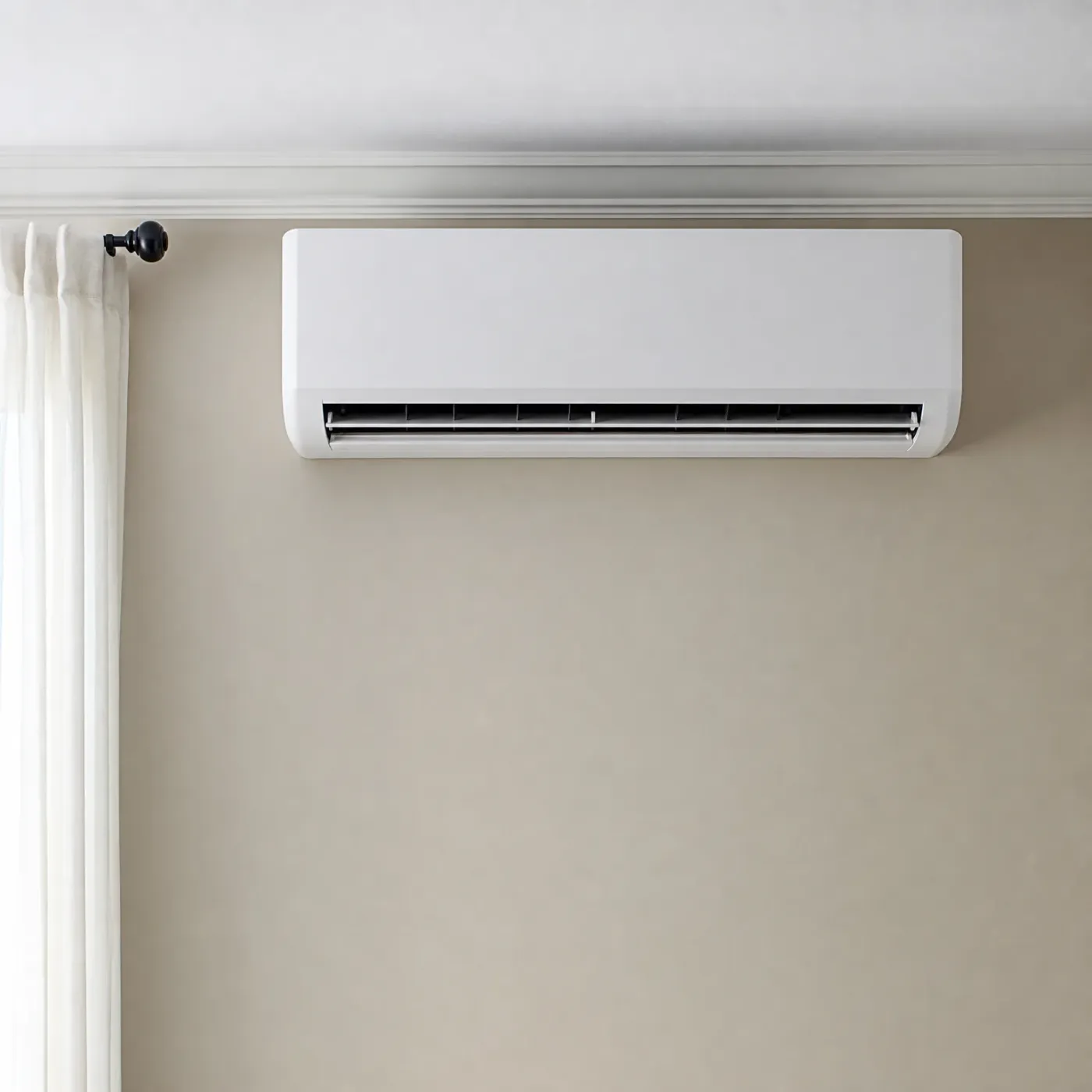
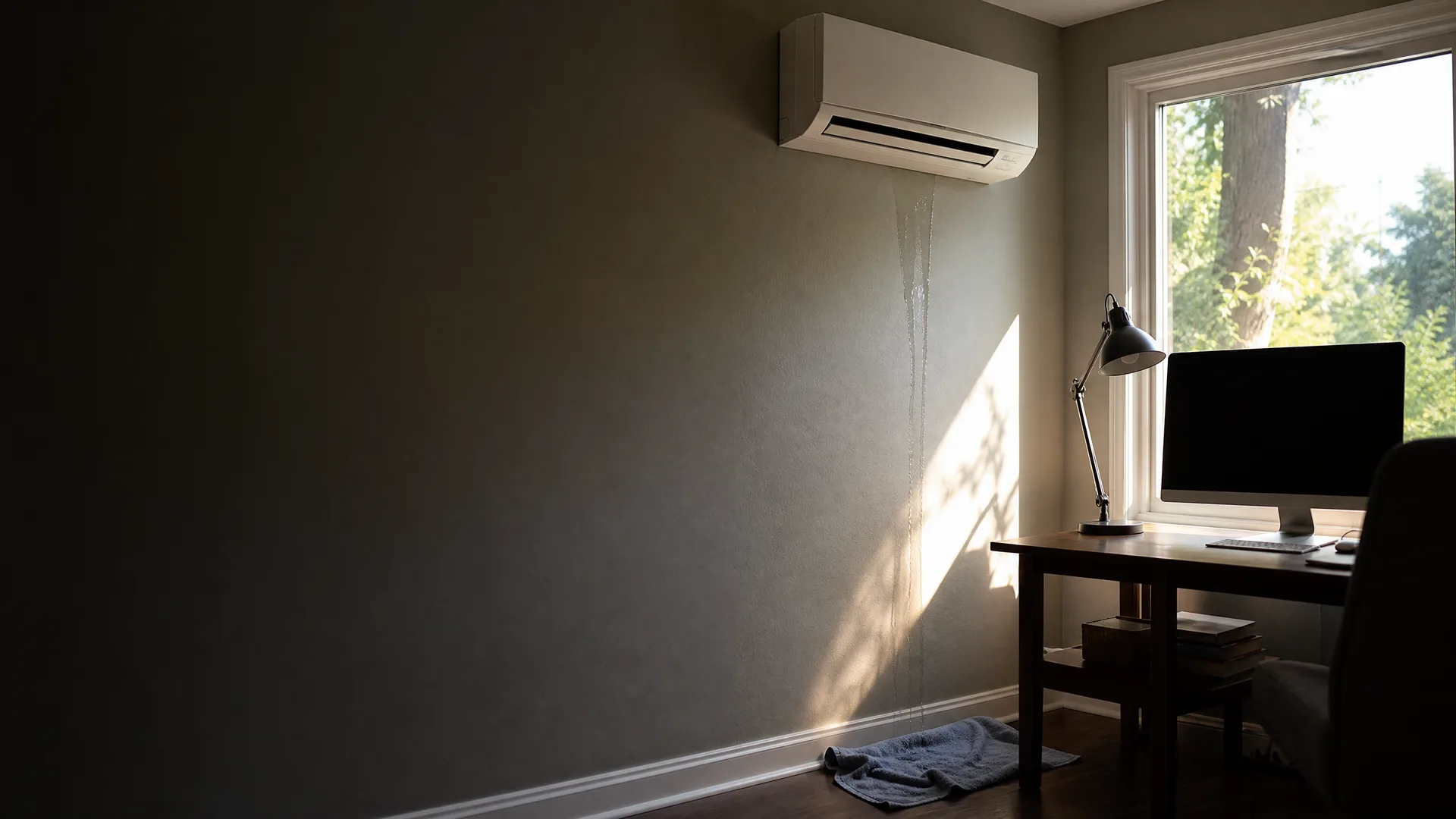
It's a July afternoon and you're at your desk when you notice the carpet under the indoor unit feels damp. You look up and see a streak running down the wall, dark against the paint, pooling on the sill below the unit. You grab a towel and press it against the wall, but the wet keeps coming. The unit is still blowing cold air into the room like nothing's wrong. Outside, it's the kind of sticky Tennessee afternoon that keeps the system running for hours without a break. You turn it off and stand there looking at the stain, wondering how long it was dripping before you noticed.
You hit the remote and nothing happens, or the indoor unit's light blinks a few times and goes quiet. No air, no hum from outside. Maybe you walk out and find the outdoor unit's fan sitting still with a thin layer of ice across the coil. The house is cold enough that you've noticed it, the thermostat reading a few degrees under where you set it. If this goes on through a stretch of freezing nights, the rooms that unit heats will keep losing ground, and anyone relying on it as the main heat source for that part of the house is going to feel it.




Describe what your mini split is doing once, in one form.
No fee to send it, and nothing to sign.
A mini split heats your house by pulling heat out of the outside air, even when that air is near freezing. To do that, the outdoor coil has to run colder than the air around it, and that is what lets frost form on it in the first place. The control board checks the coil temperature on its own, and when it reads cold enough for long enough, it switches the system into defrost. For a few minutes the unit runs in reverse to melt the frost off the coil, then switches back. You will see the outdoor fan stop and steam rise off the unit during this. That part is normal.
A lockout happens when the board tries defrost and the coil never clears, so it shuts the whole system down rather than keep cycling into the same frozen coil. A coil that is dirty or blocked by a bush or fence panel holds frost longer than a clean one, and takes longer to come back out of defrost, which is part of what pushes it past the point the board allows. Tennessee winters bring the kind of cold and damp swings that build frost fast on a coil that is already restricted. Once the board locks out, it will not reset itself. The unit needs a technician to clear the fault and find why the coil iced up in the first place.
At 13.22 cents a kilowatt-hour, running a mini split on electric heat through a cold snap won't wreck your bill the way it might elsewhere. That's one more reason to get a frozen or locked-out unit looked at instead of just living with the cold rooms.
EIA-861 2025 statewide residential average


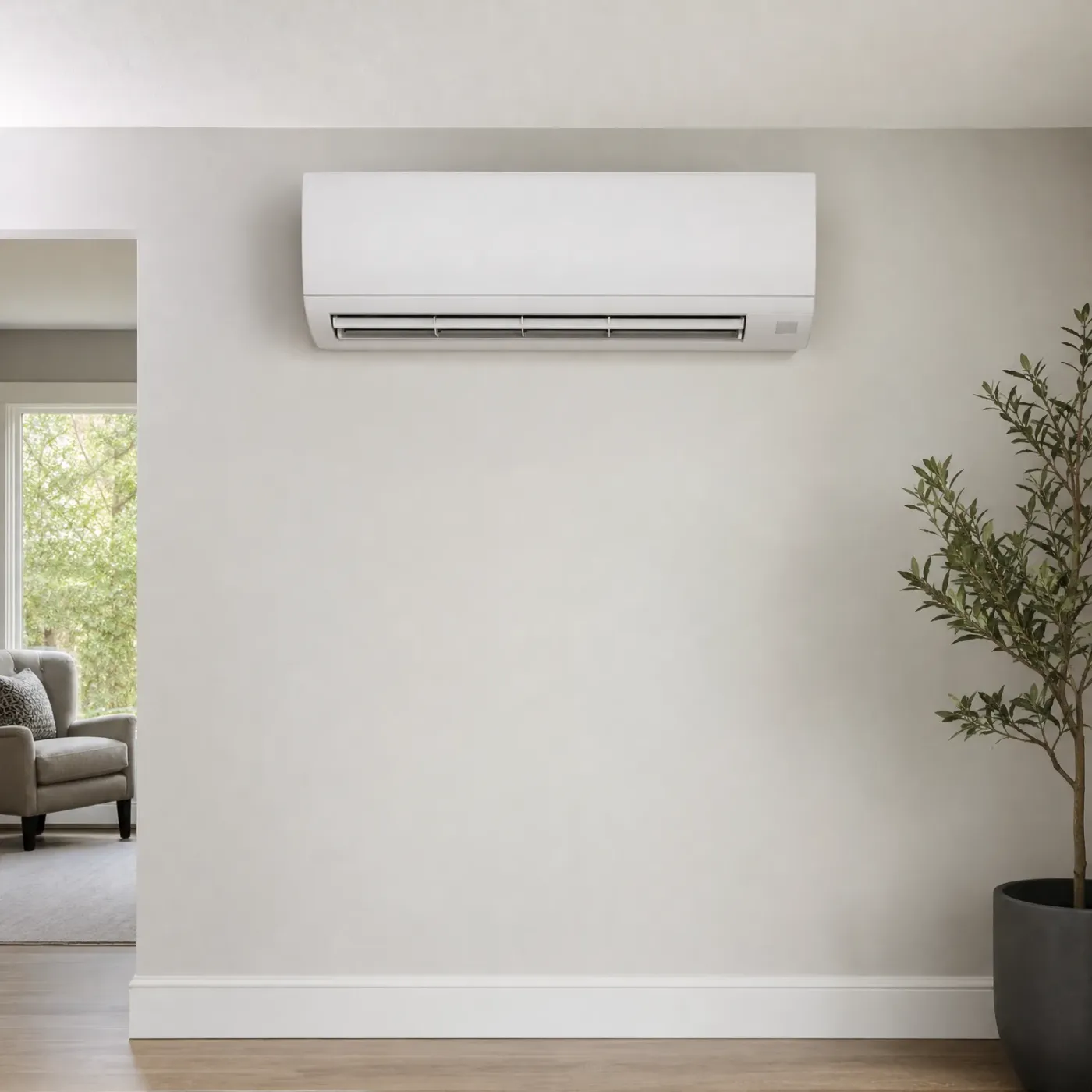
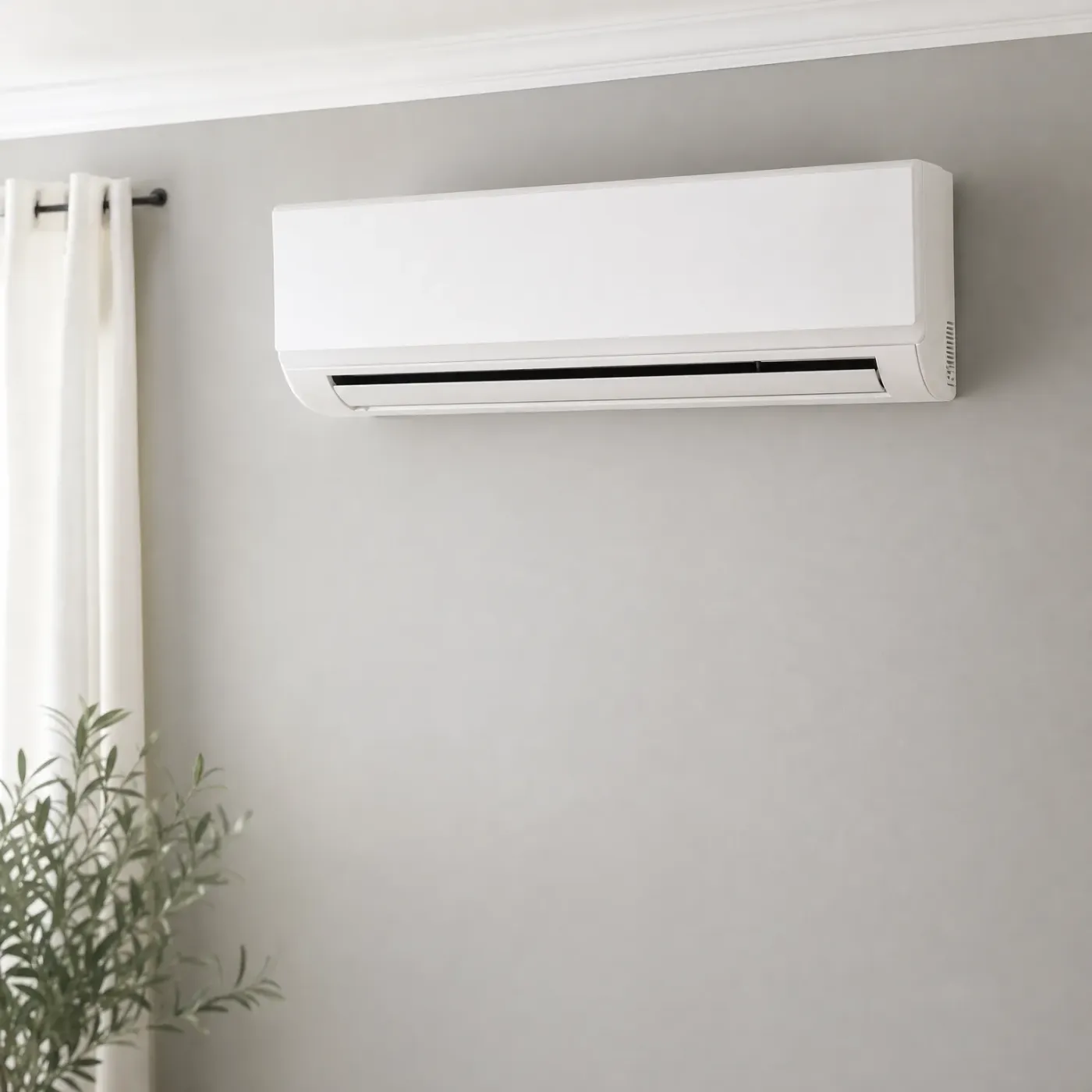
This is what the outdoor unit should let the indoor side do: warm air on demand, no fuss. A clean coil sheds frost fast once defrost mode kicks in, so the system gets back to heating instead of sitting locked out.
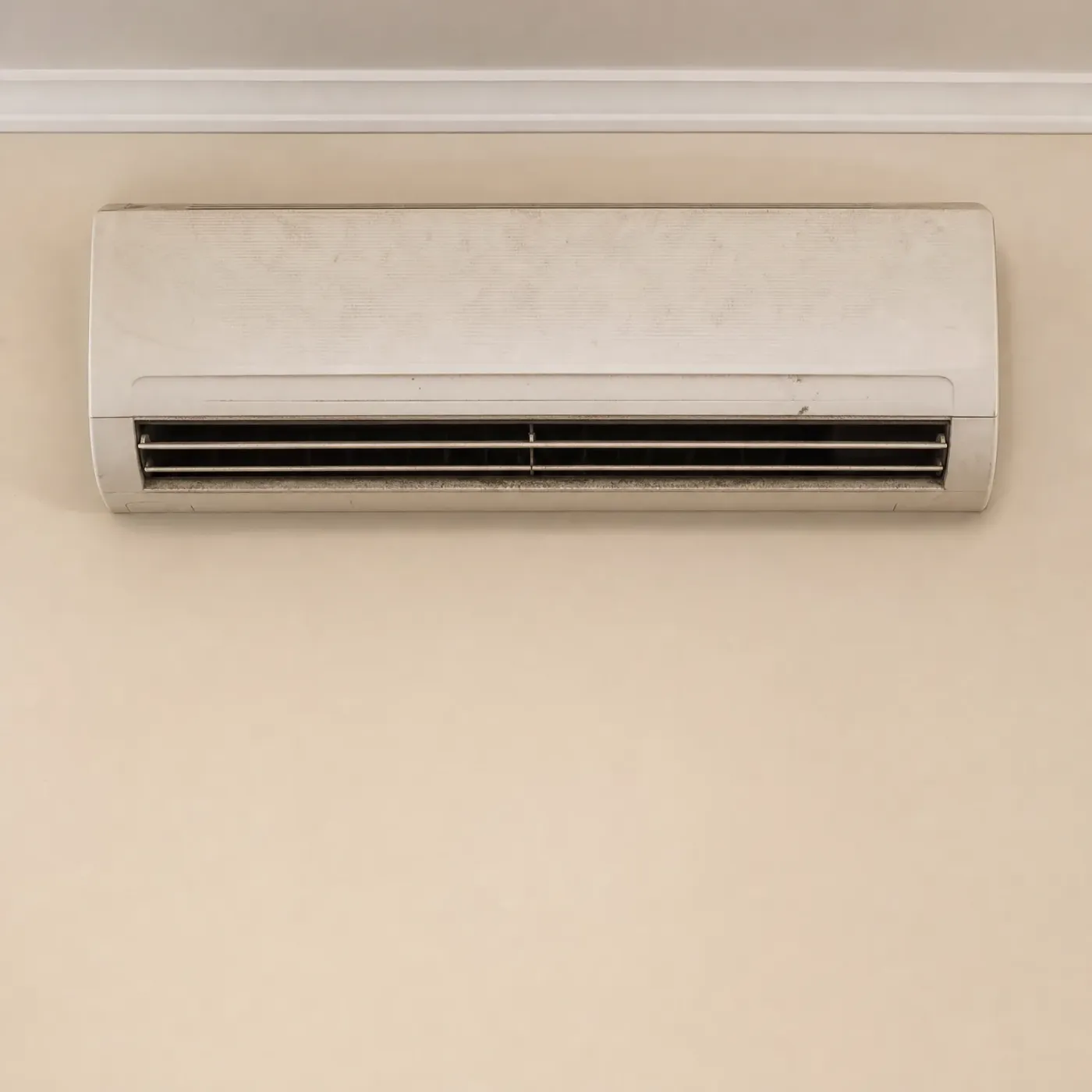
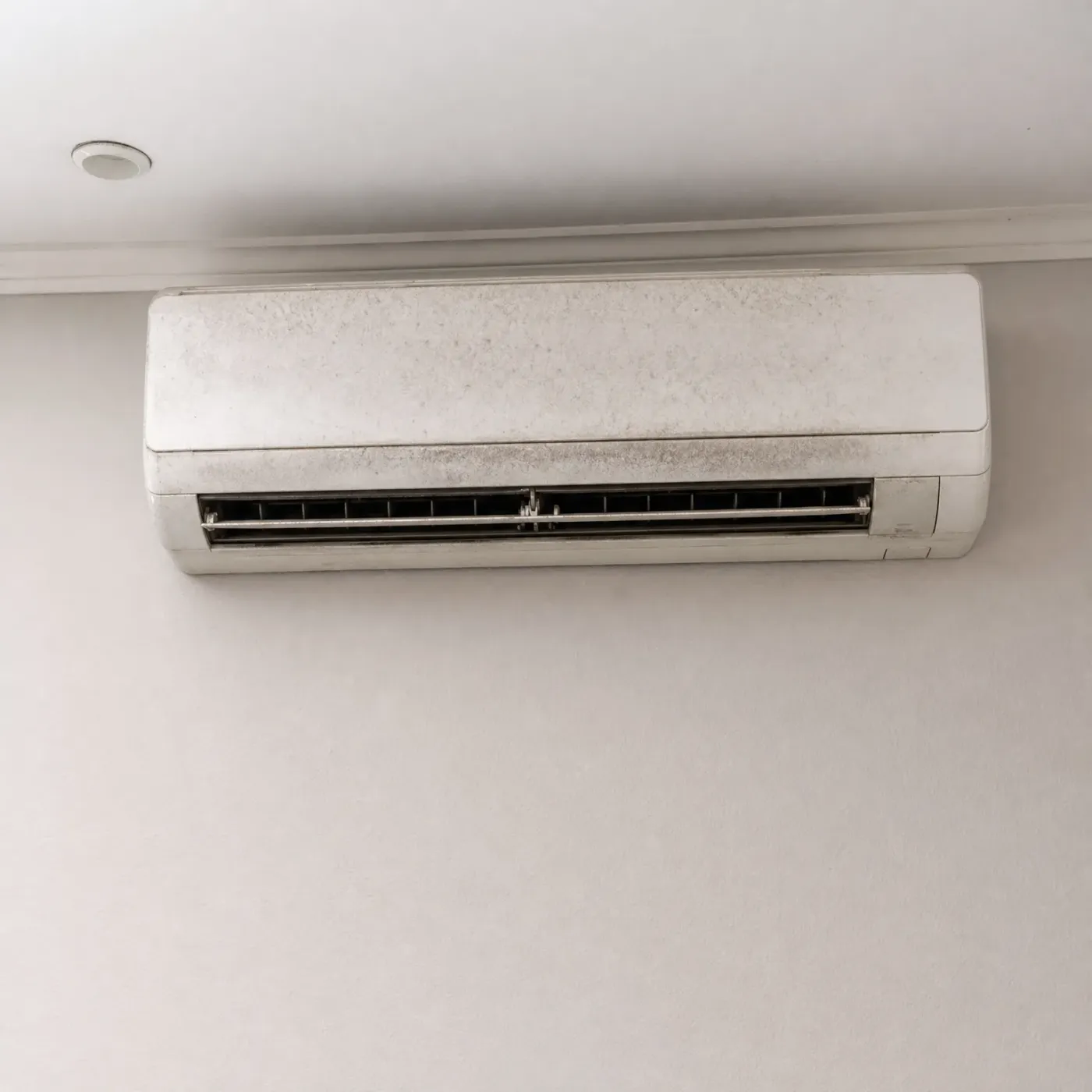
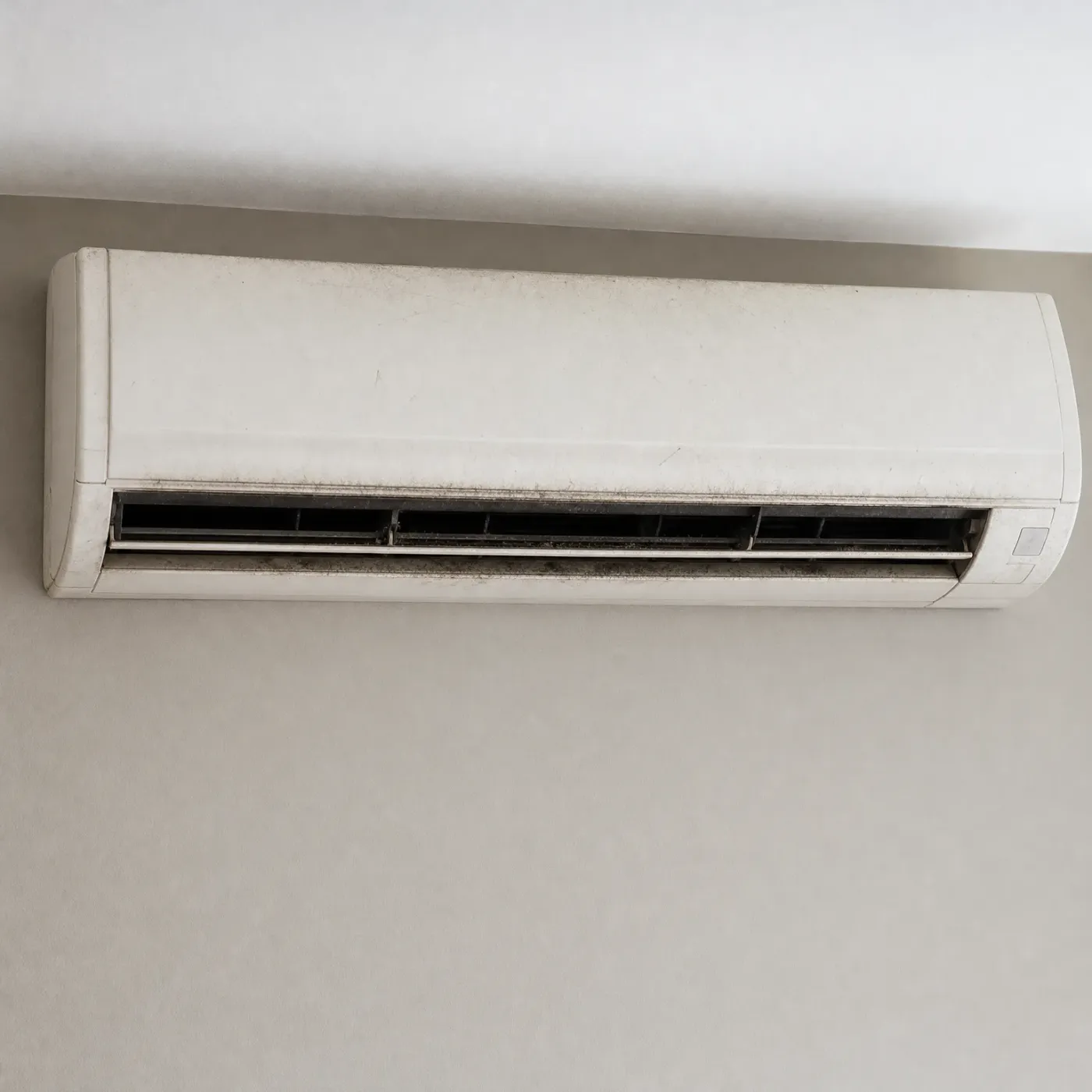
A coil or casing this dirty can't shed heat the way it needs to. Grime packed into the vents holds frost longer in cold weather and makes the unit work harder to pull heat from the air, which is part of what trips it into lockout.

Your mini split isn't broken. It's frosted over outside, or it's shut itself down after a few tries at defrost that didn't clear the coil. Either way, the fix is someone opening the outdoor unit, checking the coil and the defrost board, and getting it back into a normal cycle. That's a repair call, not a new system.
You already know how to spot a small problem before it turns into a cold house for a week. The part that's tedious is everything between noticing and getting someone out there: finding a contractor who works on mini splits, calling a few, explaining the blinking light and the still fan to each one, then weighing quotes against each other while you're still cold. Send the form once and that search is off your plate. You're left with one thing to track: when the system is running again.


Hand off the mini split problem